Saeideh Khazouei, Bahai Citizen Released on Bail
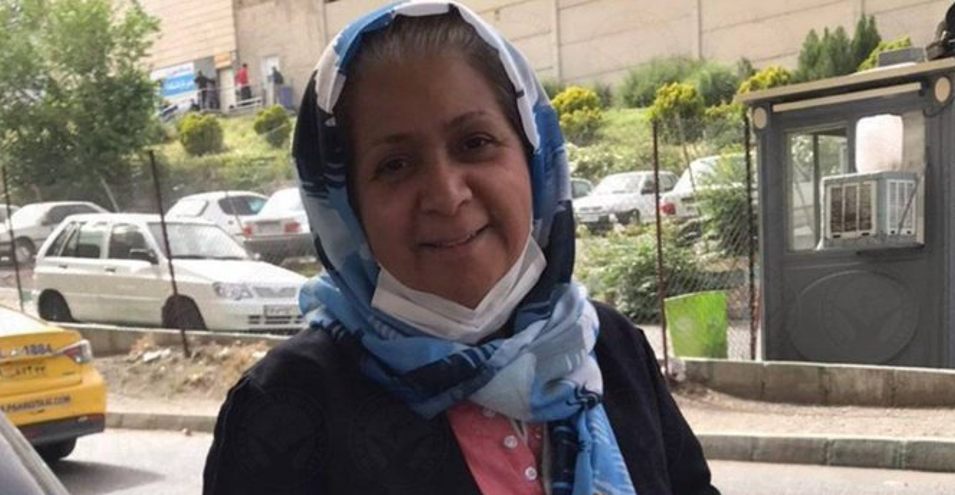
Hrana News Agency – Saeideh Khazouei, a Bahai citizen, was temporarily released today, Tuesday, June 24, 2022, upon posting bail and pending the completion of legal proceedings. Ms. Khazouei had been detained on April 12 following her appearance at Evin Court.
According to Hrana News Agency, the news organ of the Iranian Human Rights Activists Network, Saeideh Khazouei, a Bahai citizen, was released from Evin Prison today, Tuesday, June 24, 2022.
Ms. Khazouei’s release came after 43 days of detention, with bail set at 2 billion tomans and pending the completion of legal proceedings.
Ms. Khazouei was detained on April 12 following her appearance at Evin Court. On May 19, she contacted her family by telephone to inform them of her continued detention in ward 1-A of the Islamic Revolutionary Guard Corps (IRGC) detention facility. She was eventually transferred this week to Evin Prison from that detention facility.
Despite repeated follow-ups by her family, officials at Evin Court had refused to provide any information regarding Ms. Khazouei’s place of detention and the charges against her.
Saeideh Khazouei is the mother of Arslan Yazdani, a Bahai citizen who was detained by security forces in Tehran on September 1, 2021, and transferred to one of the security detention facilities in Evin Prison. Security forces conducted a search of his residence at the time of detention and confiscated several of his personal belongings. He was ultimately released on October 16, 2021, upon posting bail.
Saeideh Khazouei’s residence was searched by security forces on September 29, 2021, and several of their personal items were confiscated, including a laptop, mobile phone, electronic devices, photographs, and documents.
Skyler Thompson, External Relations Officer of the Iranian Human Rights Activists Network, commented on this news, stating: This organization strongly condemns discriminatory actions against religious minorities in Iran. We call on Iran to take specific measures to ensure that Iranians, particularly Bahai citizens, can enjoy religious freedoms, including the free practice of their chosen religious observances.
Bahai citizens in Iran are deprived of freedoms related to religious beliefs. This systematic deprivation occurs despite Article 18 of the Universal Declaration of Human Rights and Article 18 of the International Covenant on Civil and Political Rights, which state that everyone has the right to freedom of thought, conscience, and religion, including the freedom to change religion and the freedom to manifest one’s religion or belief, individually or in community with others, in public or in private.
According to unofficial sources in Iran, there are more than 300,000 Bahai citizens, but Iran’s constitution only recognizes Islam, Christianity, Judaism, and Zoroastrianism officially and does not recognize the Bahai faith. For this reason, the rights of Bahais in Iran have been systematically violated over the years.
Source: Hrana