Iran: 1,474 Children Under Age 14 Give Birth in 2021
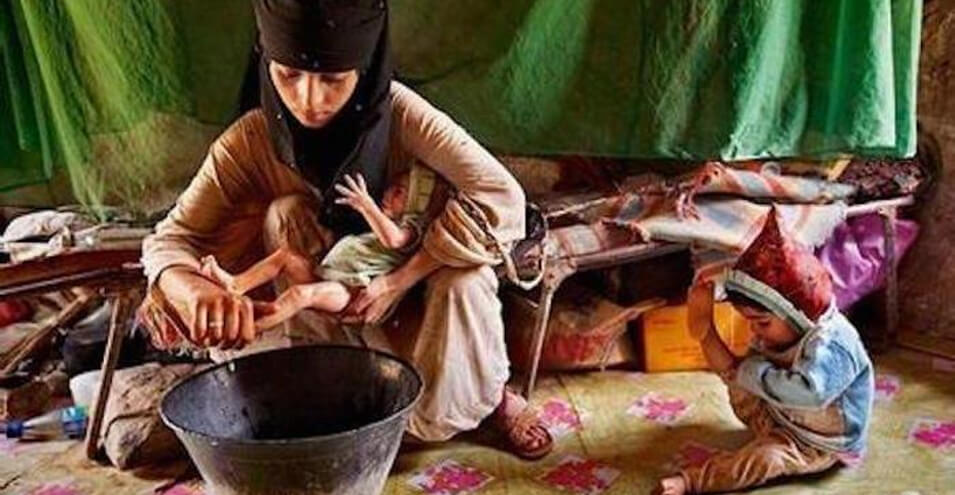
Over the course of one year, mothers under 20 years of age in Iran have given birth to more than 69,000 children, some of whom are themselves children. Child marriage in Iran has increased dramatically in recent years, with poverty cited as one of the main causes.
Based on the latest official statistics from the Civil Registration Organization released Wednesday, April 14, approximately 1 million and 106,000 infants were born in Iran last year, which represents a slight decline compared to the previous year’s figures.
According to ISNA news agency, in 2021, 69,103 newborns were born to mothers aged 10 to 19 years, mothers who are considered part of a “high-risk group” in terms of childbearing.
Of this number, 1,474 newborns were born to mothers aged 10 to 14 years, who are themselves children and adolescents. These newborns demonstrate the increasing prevalence of child marriage in recent years.
Child Marriage: A Form of Silent Abuse
ISNA had previously reported that child marriage is “a form of silent abuse” that in most cases results in severe psychological and physical harm to young mothers.
According to Article 1041 of the Civil Code of the Islamic Republic, the minimum legal age of marriage is 13 for girls and 15 for boys. Before the revolution, these ages were 15 and 18 years respectively.
The laws of the Islamic Republic have also left the door open for marriages of children below the legal age, permitting such marriage “with the consent of the guardian on the condition of considering the child’s welfare, as determined by the competent court.”
Some experts attribute the increase in child marriage in Iran in recent years primarily to rising poverty. At the same time, government propaganda promoting marriage and childbearing, as well as certain traditions in some regions, have not been without influence on this situation.
Religious Rulings and the Age of Puberty for Girls at 9 Years Old
The tradition of early marriage of young girls is relatively more prevalent among some Iranian ethnic groups, and Islamic teachings that permit polygamy and recognize the age of puberty for girls as 9 years old play an important role in this matter.
Neda Hosyar, a clinical psychologist, told ISNA in December of the previous year: “The issue of population aging, the decline in birth rates, as well as the rampant increase in divorce statistics in the country, has prompted lawmakers to consider child marriage as a solution to rejuvenate the population and reduce divorce rates.”
The leader of the Islamic Republic has repeatedly spoken in recent years about the necessity of increasing the population, and government officials have taken many measures to fulfill his vision, which so far has not led to the desired results.
According to TASNIM news agency, Ali Khamenei said in April 2019 in defense of his emphasis on population increase: “Today in the world, those countries that have large populations have, by virtue of that, achieved many capabilities; China is an example, India is an example.”
Data from Iran’s Statistical Center show that in the spring of last year, marriages of girls aged 10 to 14 increased by 32 percent compared to the same period of the previous year.
Based on the latest statistics from the Civil Registration Organization, even if Khamenei’s repeated emphasis on increasing marriages of young girls has had any effect, it has so far not had a significant impact on increasing the birth of newborns.