‘Inflation Has Broken People’s Backs’; Hospital Food Supply Problem Due to Price Increases
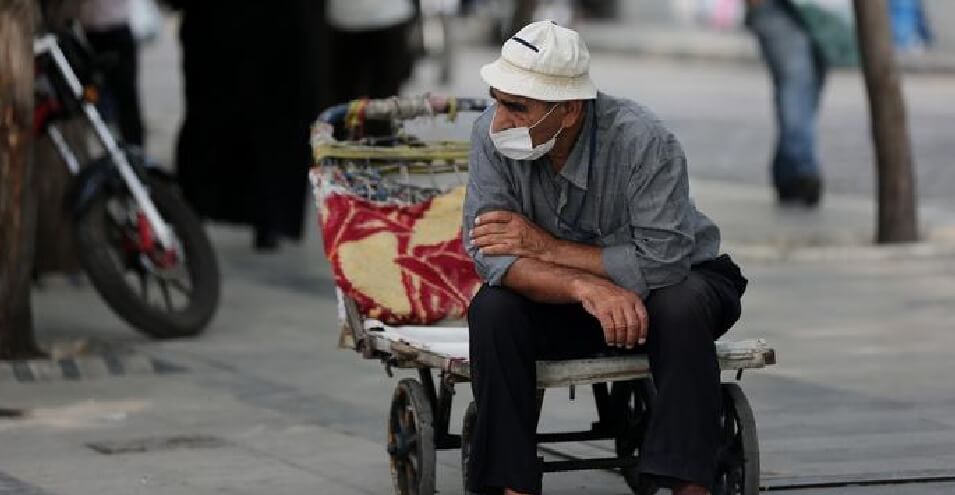
An Iranian parliament representative says inflation has broken people’s backs. It is predicted that due to price increases, providing hot meals in many medical centers will become impossible, and food supply to prisons and dormitories will face significant problems.
Albraz Hosseini, representative of the Islamic Consultative Assembly in the open session on Wednesday, June 25 (June 15), while criticizing the severe increase in prices of essential goods in Iran said: “Today, people are bearing much pain and suffering, especially economically, and people expect the government to take courageous action regarding inflation.”
Reminding that only the prices of six essential items were supposed to increase, and in return, subsidies would be paid, he added: “Today, inflation has broken people’s backs.”
Hosseini asked the Ibrahim Raisi government to not speak in generalities about inflation and to follow up, because “major economic surgery has let prices run rampant.”
Warning About Increased Malnutrition in Hospital Patients
Etemad Newspaper, Tehran edition, in Wednesday’s issue of June 25, by publishing a report about the problem of malnutrition and food supply for patients in hospitals due to inflation, quoted the head of a private hospital in Tehran: “Many hospitals will not be able to provide quality food for patients because this increase in food prices was not anticipated in any hospital’s budget.”
He, who requested anonymity, predicted that in the coming weeks, providing hot meals, especially protein-rich foods for hospitalized patients in hospitals and many public or private medical centers, will be “impossible.”
A nurse from one of the state hospitals also says that since last year, food for employees of this hospital, including nurses, has been cut off.
According to her, only nurses who work 12-hour daily shifts receive 15,000 tomans as food allowance, but this amount is not enough even for “one meal of bread and yogurt.”
This report quotes Abdolreza Norouzi, secretary of the national working group for nutrition science development and excellence, that the most important current problem in Iranian hospitals is hospital malnutrition, with approximately 24.5 percent of hospitalized individuals facing this problem.
According to him, “hospitalized patients in 60 intensive care units in hospitals across the country receive less than 62 percent of required calories and approximately 54 percent of required protein.”
This report further adds that in coming weeks, food supply and distribution will face problems not only in hospitals but also in military barracks, prisons, care centers for the elderly and orphaned children, facilities for people with disabilities, rehabilitation camps for social casualties, and even in boarding schools and student dormitories.
Ibrahim Raisi government’s decision to remove the 4,200-tomans exchange rate accelerated rising prices of goods in Iran.
Many experts have repeatedly warned about the consequences of this government decision. Among them, 61 Iranian economists recently in a letter, while evaluating the government’s economic policies, emphasized: “Our warning to officials is that the country’s situation is very fragile, and insisting on removing subsidies during this dire period will overflow the cup of people’s patience.”
In recent weeks, many people in various Iranian cities have taken to the streets in protest of inflation, the government’s economic policies, and poor living conditions, chanting slogans against government leaders.
Source: DW