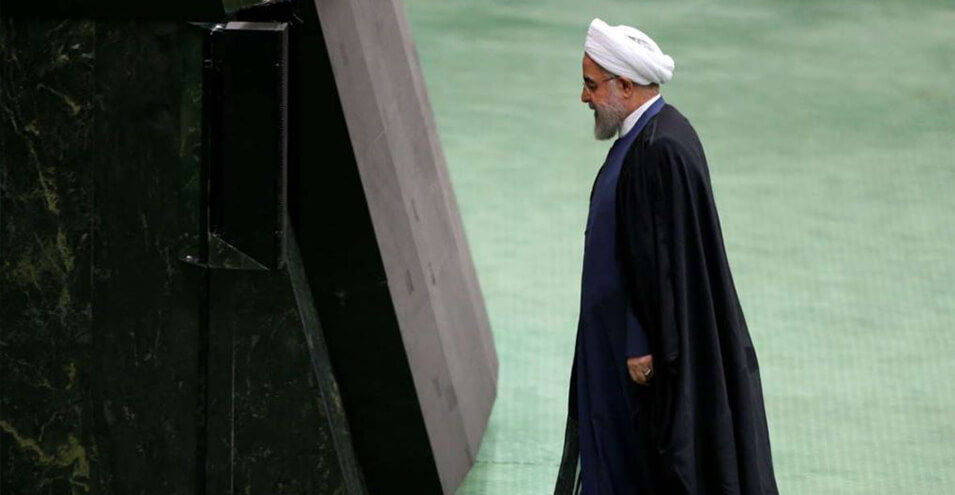
Raisi Promulgates “2022 Budget Law”; Increases Budget Share for Military and Cyberspace Monitoring Institutions
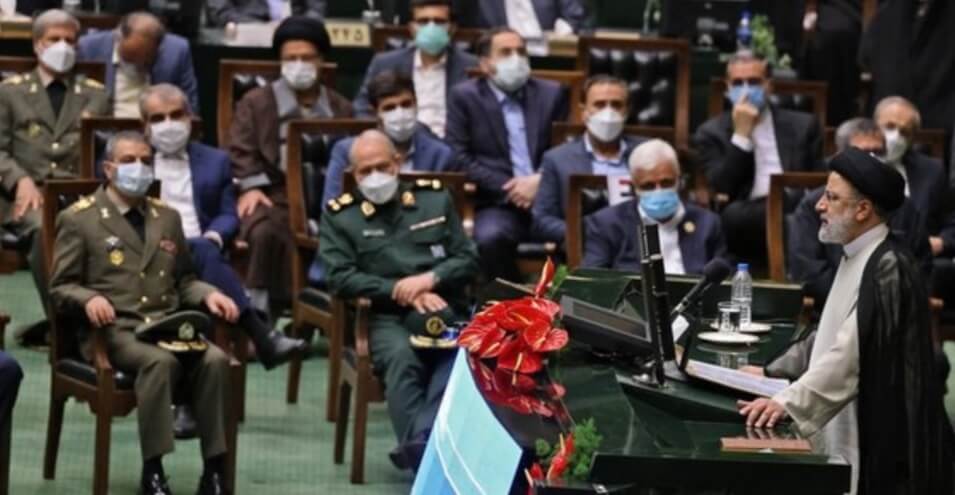
Ibrahim Raisi promulgated the 2022 national budget law for implementation on Tuesday to the country’s Planning and Budget Organization. This is the first budget drafted by the thirteenth government of the Islamic Republic of Iran, which contains major changes both in content and method compared to previous budgets.
According to an announcement by the Iranian Presidency’s media office, Raisi promulgated the budget law approved in the open session on Wednesday, March 16, 2022, by the Islamic Consultative Assembly for implementation to the country’s Planning and Budget Organization, while the budget bill had been presented to parliament by the government on December 12, 2021.
The overall ceiling for the 2022 budget has been set at 3,631 trillion tomans, representing an increase of 750 trillion tomans compared to the previous year. A significant portion of funding this difference comes from a 61 percent increase in projected tax revenues and the elimination of targeted subsidies at the preferential exchange rate of 4,200 tomans. Measures that could lead to significant economic challenges in society.
Among the most notable increases in Iran’s 2022 budget, the military and armaments sector received a minimum allocation of 4.5 billion euros by the Planning and Budget Organization of the Ibrahim Raisi government.
The Revolutionary Guards Corps budget this year has seen an increase of approximately 240 percent, with an initial allocation of 93 trillion tomans. Given the authorities granted in the joint commission of the Islamic Consultative Assembly, it has the possibility of further increases throughout the year.
A notable point in this regard is that part of the Islamic Republic’s military budget is funded from “delivery of crude oil and exported gas condensates to individuals” at the current export price, an occurrence that also happened in the final years of Mahmoud Ahmadinejad’s government and led to “large-scale economic corruption” and the arrest of individuals such as Babak Zanjani as an “oil broker.”
Among the executive bodies of the Islamic Republic, this year’s largest budget allocations went to the Ministry of Cooperation, Labor and Social Welfare, Ministry of Education, Ministry of Defense, Ministry of Health, the Joint Staff of the Revolutionary Guards, the Martyrs Foundation, the Police Force, the Joint Staff of the Army, the Judiciary, and the Ministry of Science.
The Ministry of Cooperation, Labor and Social Welfare, with 138,840 billion tomans in allocation, held the top position from the beginning in the government’s proposed bill. This ministry’s share of expenditure allocations in this year’s budget is 14.39 percent, giving it the largest share compared to other executive bodies.
The budget allocated to the Islamic Republic of Iran Broadcasting Organization, which is supervised by a representative of Ayatollah Ali Khamenei, the leader of the Islamic Republic, in addition to seeing an initial allocation of 5,289 billion tomans with a 56 percent increase compared to last year, was also accompanied by “increased special authorities” on the side.
With the approval of the joint commission of the Islamic Consultative Assembly in March of last year, SATRA (the Organization for Regulating Broadcasters in Cyberspace), which is a newly established subsidiary of the Broadcasting Organization, with a sixfold increase compared to 2021, captured a budget of 11,600 billion tomans to have supervision and control over all “pervasive” content produced in cyberspace.
The Islamic Consultative Assembly also approved at the beginning of March that the price of each barrel of oil be raised from 60 dollars to 70 dollars and the sales volume be set at 1.4 million barrels per day.
The thirteenth government of the Islamic Republic projected to earn 381 trillion tomans this year from “oil sales” and 351 trillion tomans of this revenue from “oil exports.”
These figures come while in the 2021 budget, oil sales revenue was 349 trillion tomans and the Iranian government had projected earning 153 trillion tomans from oil exports. However, this revenue has seen a 106 percent increase this year.
Source: Voice of America