Iran’s Communications Minister Confirms Security Agencies Can Access User Data
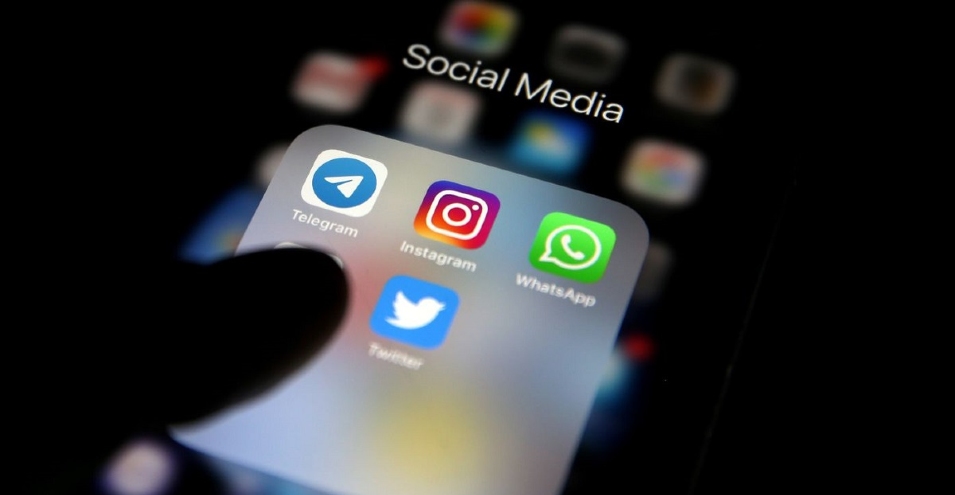
Iran’s Communications Minister confirmed on Monday, March 14, that security agencies can access the data of Iranian users in “domestic messengers” upon receiving authorization from the judiciary.
Isa Zarepour told the state news agency IRNA that security agencies will have access “in special cases” with court orders from special judges and authorization from the head of the judiciary, but did not explain what “special cases” entail, only telling the public to “rest assured about data protection.”
In recent years, the Iranian government has attempted to replace foreign messengers by filtering Telegram and Signal and allocating billions of tomans to support domestic messengers, but multiple polls suggest this expensive project has failed.
According to the latest poll released by the ISPA polling institute affiliated with the University Jihad in September, only 1.8 percent of people use domestic messengers like Soroush and Rubika.
Meanwhile, the latest report from Iran’s Statistical Center released in September shows that despite Telegram being filtered in Iran for approximately four years, 45 million Iranians are members of the messenger, and 15 billion messages are sent daily on this social network.
This social network was temporarily filtered following public protests in dozens of Iranian cities in December 2017 and has been permanently filtered since April 2018.
Beyond investing in developing and replacing domestic messengers, the Iranian government has spent the past decade attempting to separate domestic internet (intranet) from the global internet under the name of launching a “national network.” This plan, referred to as the “internet kill switch,” is scheduled to be finalized by the end of 2023.
In his conversation with IRNA, Iran’s Communications Minister named domestic messengers as one of the “53 tasks” designated for the national information network and said that just as domestic websites in the field of online buying and selling have managed to attract “tens of millions of users,” domestic messengers should attract this number.
Among other controversial plans by the Iranian government to limit the internet and foreign social networks is the Iranian parliament’s bill titled “Support for User Rights in Cyberspace,” known as the “Protection Bill.”
The general provisions of this bill are currently under review in parliament, and limiting foreign messengers and social networks like Instagram, imposing strict restrictions on internet access, and increasing military control over internet border crossings are among its main axes.
The “Protection Bill” was placed on parliament’s agenda after Supreme Leader Ayatollah Ali Khamenei in multiple speeches called Iran’s cyberspace “uncontrolled” and criticized responsible agencies for not restricting it.
The Iranian government’s planning and investment for further limiting the internet is occurring while “Freedom House” in its latest 2021 report announced the internet freedom index for countries worldwide, and in this ranking, Iran is classified as one of the worst countries with the least internet freedom—even lower than countries such as Belarus, Uzbekistan, and Pakistan.
Source: Radio Farda