Khamenei Amid Vienna Talks: Negotiation and Engagement with ‘Enemy’ Does Not Mean ‘Surrender’
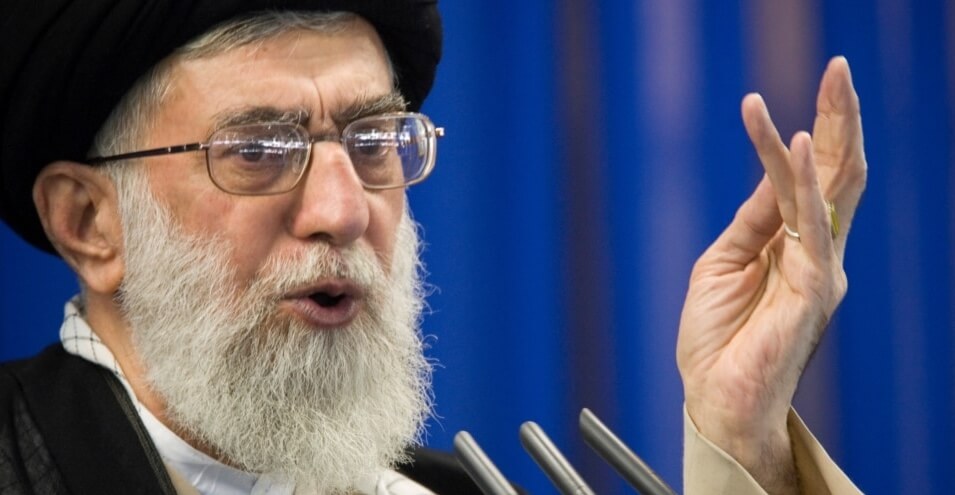
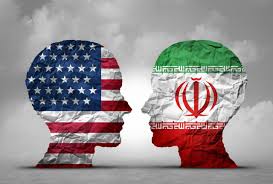
Simultaneous with Iran’s negotiations with Western countries to revive the JCPOA, the Supreme Leader of the Islamic Republic stated that negotiation and engagement with the “enemy” does not mean “surrender” and “we will not surrender.”
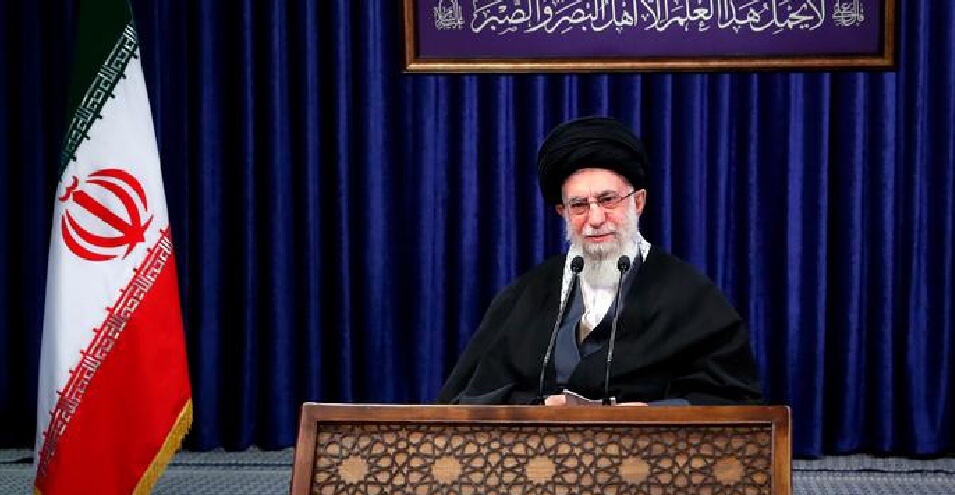
According to Iranian media reports, Ayatollah Ali Khamenei appeared virtually and online on Sunday, December 10, among “various segments of the people of Qom” and said that “not surrendering to the arrogant and oppressive enemy” is one of “the principles of the revolution” and “the fact that at some point we negotiate, speak and engage with the enemy does not mean surrendering to it, just as we have not surrendered thus far and will not do so in the future.”
A spokesperson for the U.S. State Department said on Thursday, December 7, during his daily press conference, referring to negotiations to revive Iran’s nuclear agreement known as the JCPOA in Vienna, that the time we have available is short and “if we do not reach an agreement soon, we will be forced to pursue a different path.”
Khamenei, acknowledging “livelihood problems especially for the weak classes,” “corruption and favoritism” and “banking and tax problems,” claimed that the Islamic Republic has achieved “successes” and “important accomplishments” in various fields that have remained “hidden.”
Khamenei added, without referring to any individual or group by name: “Throughout these 43 years… wherever work has been left undone, corruption, favoritism, elitism and non-revolutionary perspectives are involved.”
Khamenei’s reference to corruption, elitism and unfinished work stemming from it comes at a time when many high-ranking officials of the Islamic Republic are accused of corruption.
The increase in financial allocations for religious centers or spending venues for religious sectors in Iran’s budget over the past four decades has led to the establishment or launch of many institutions to receive such funds; institutions that have no actual effectiveness in the lives of Iranian people, but provide direct monetary and currency income for parts of the ruling system or individuals affiliated with it, such as representatives of Ayatollah Ali Khamenei, the Supreme Leader of the Islamic Republic.
In Mordad month, the Islamic Consultative Assembly launched a bill to investigate and scrutinize astronomical salaries during Hassan Rouhani’s government, the former president. However, just two months before Mohammad Baqer Qalibaf, the former mayor of Tehran and former member of the Revolutionary Guards Corps, was appointed as head of the Islamic Consultative Assembly, some other officials revealed that the scope of a major financial corruption case known as the “astronomical properties file” was three times larger than previously announced.
In the judicial branch as well, in Ordibehesht month, Gholam-Hossein Esmaili, then spokesman for the judiciary, announced the arrest of more than 200 employees of misconduct in the judicial system, and announced that the judiciary’s information protection had also identified 237 “corrupt staff members” and a number of notaries and 161 lawyers and judiciary experts were also arrested.
Furthermore, Ebrahim Raisi on September 7 asked the country’s intelligence agencies to identify “organized smuggling,” “mafia networks” and “hidden hands.” Previously, Mahmoud Ahmadinejad, Iran’s former president, sarcastically referred to members of the Islamic Revolutionary Guards Corps as “smuggler brothers.”
Source: Voice of America