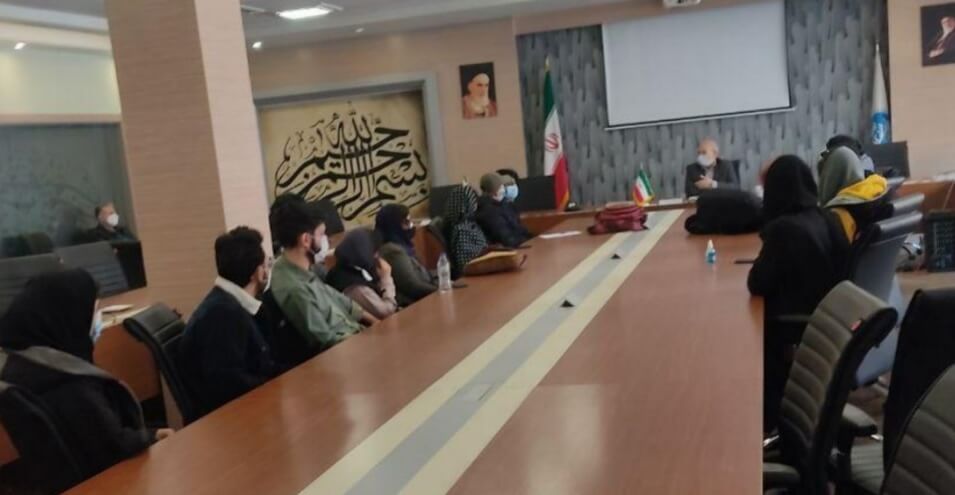
Imports of Essential Household Items Subject to Value Added Tax
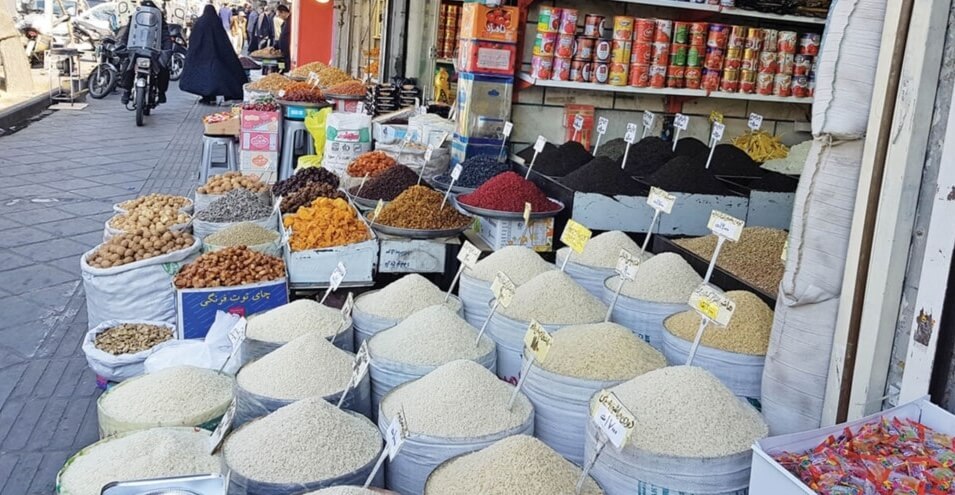
Iran’s Customs has announced in a statement that imports of essential household items, ranging from wheat and rice to infant formula and oil, will be subject to value added tax.
According to the statement released on Sunday, December 5th, imports of products such as eggs, various types of meat, flour and bread, milk, cheese, yogurt, rice and legumes, soy and various types of cooking oils, as well as infant formula will be subject to 9 percent value added tax starting from December 13th.
The Iranian government has also eliminated the allocation of 4,200-toman preferential exchange rate for basic goods imports for the next year, and it is still unclear whether preferential exchange rates will be allocated for pharmaceutical imports.
It is expected that the elimination of preferential exchange rates for basic goods and the imposition of value added tax will sharply increase the prices of essential items for households.
Official statistics from the Islamic Republic show that inflation in food items in the country is around 60 percent; however, domestic and field reports indicate that the price growth of food items is significantly higher than official figures.
In the next year’s budget bill, the Iranian government has increased its tax revenues by 70 percent to compensate for the budget deficit, which is even higher than the inflation rate.
In recent weeks, the purchase of gold, jewelry, and foreign currencies has been subject to 9 percent value added tax, and now the main items of imported essential goods have also been added to this list.
Among imported essential goods for households that are now subject to value added tax, rice, wheat, soy, oil, and legumes are precisely among the items at the top of the country’s import list, and Iran’s domestic market is severely in need of imports of these goods.
Customs statistics show that eight out of 10 major imported products to the country worth around 6.2 billion dollars in 1399 (2020-2021) consisted of agricultural products such as wheat, corn, soy meal and the like, and 71 percent of the preferential exchange rate allocated to imports of essential goods in the same year was related to agricultural goods.
Last year, 1.4 billion dollars in preferential exchange rate was also allocated to pharmaceutical imports.
While some Iranian officials have announced the continuation of preferential exchange rate allocation, the director general of drugs and controlled substances at the Food and Drug Organization said on Sunday that preferential exchange rates “cause corruption” and stated: “Our proposal to prevent drug price increases is insurance coverage or the issuance of a health card.”
Ali Khezrian, a parliament representative, also reported on Sunday about a sixfold increase in the price of some painkillers and analgesics like naproxen and said: “The 4,200-toman exchange rate has not been eliminated yet, and these damages are being seen in the health and medical sector.”
In the open session of parliament on Sunday, December 5th, he said that changes to some figures in the budget bill are very impactful and worth consideration for the weak strata of society.
ISNA news agency reported on December 1st that the price of naproxen had increased from 6,500 tomans to 28,000 tomans, and some social media users say its price has now reached 40,000 tomans.
Source: Radio Farda