Drug Shortage and Patient Distress; Tehran Police Discover ‘Half a Million Unauthorized Rare and Scarce Medications’
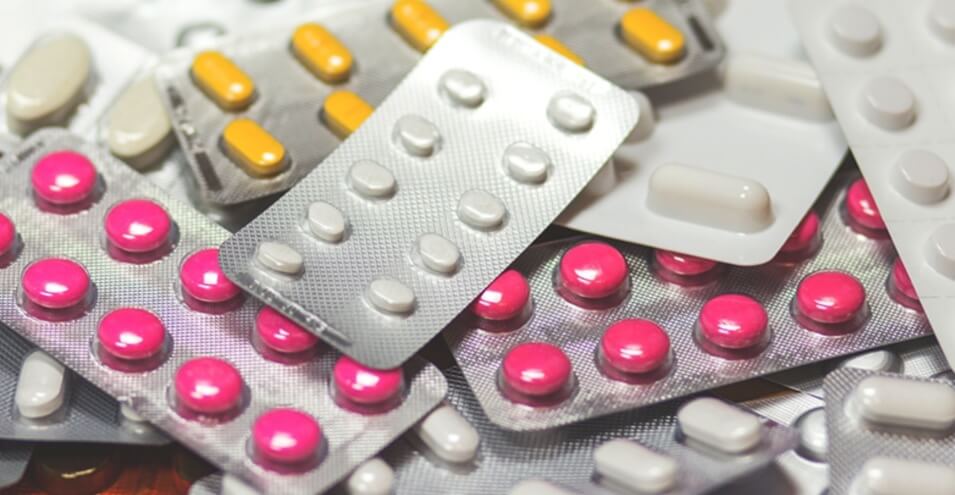
Media reports from Iran indicate that patients with special conditions are struggling to find medications across pharmacies. Meanwhile, police say they have discovered half a million unauthorized medications in Tehran, and a parliamentary representative has confirmed that scarce drugs can be found in the open market at several times their original price.
Previously, Ali Fatemi, vice chairman of the Iranian Pharmacists Association, stated on Tuesday, December 14th, that while medication shortages of 30 to 40 items, mostly imported, have always existed, there are now shortages of between 100 to 150 medications, both imported and domestically produced in Iran. He noted that medications such as simple antibiotics that had been manufactured in Iran for decades have become scarce and unavailable. The director-general of drugs and controlled substances at the Food and Drug Administration had called these statements “inaccurate reporting of statistics.”
Iran’s Labor News Agency reported on Tuesday, January 11th, that “medication” is the “second most repeated topic of the current year” in the health sector after coronavirus, appearing in headlines “every few days.”
In recent days, Etemad and Jam-e Jam newspapers had also reported on medication shortages and pricing.
ILNA news agency conducted field interviews with groups of patients suffering from cancer, MS, and kidney problems who have been searching among various pharmacies for their necessary medications. These patients confirmed the scarcity of essential drugs and their severe price increases.
The report also referenced statements by Homayoun Sameh’yeh Najafabadi, a member of the parliament’s health and treatment commission, who confirmed “shortages and problems, particularly regarding medications for special diseases including transplant and cancer patients” in the current year. He emphasized: “Unfortunately, we have seen these very medications that are in shortage being found in the open market at several times their price.”
Sameh’yeh Najafabadi, referring to the exhaustion of “two million dollars in preferential currency” allocated for medications “until September 2021,” said: “It has been less than a month since the government provided another 700 million dollars outside the 4,200 toman exchange rate budget. Medications enter through illegal channels, but with this amount of currency allocation, it is not possible to import medications at previous prices completely.”
He added: “Import licenses for raw materials were issued at the free exchange rate, otherwise the situation would have been much worse. Some medications were imported at the free exchange rate and were made available to people at that free exchange rate price. Unfortunately, patients bear this price difference themselves through insurance and medication costs.”
Meanwhile, IRNA reported that the Cyberspace Police, FATA, by “tracking an Instagram page” with over 90,000 followers, arrested an individual on charges of “selling unauthorized medications in cyberspace” and discovered “more than half a million items of various rare and scarce medications” in his warehouses.
Previously, the chairman of the board of directors of the Iranian Thalassemia Association, referring to severe shortages of vital medications for 20,000 thalassemia patients in the country, stated that no medications have been imported for thalassemia patients since the beginning of this year.
ILNA had previously reported, citing Mohammad Alizadeh, that the only medications imported this year for thalassemia patients were 350,000 counterfeit drugs, which caused significant harm to patients.
In the budget for 2022, the Ebrahim Raisi administration did not allocate any preferential exchange rate. Health Minister Bahram Einollahi stated: preferential exchange rate is corruption-prone and should be eliminated, and with its elimination, the cost of medications would be covered by insurance for people. However, some experts believe that eliminating the 4,200 toman exchange rate would lead to the bankruptcy of insurance companies.
Source: Voice of America