Increasing Use of Emerging Drug Substances Among Iranian Youth
Iranian officials have warned about the prevalence of new drug use among young people and announced that the average age of addiction in Iran is 24 years, following an unprecedented seizure of 3 tons of drugs in Tehran last year.
The secretary-general of the anti-narcotics headquarters announced on Tuesday, February 1, that the average age of addiction in Iran is 24 years and several months, and the prevalence rate of addiction in the country’s active population is 5 percent.
Eskander Momeni also reported the prevalence rate of addiction among students as 2 percent.
Although he concluded from these statistics that Iran’s situation regarding drug use “differs significantly from many countries,” the head of Tehran’s anti-narcotics police had expressed concern a day earlier about the increase in drug consumption in Iran, particularly among young people.
Abdolvahhab Hasanvand, in an interview with Mehr news agency, pointed to the “increasing trend” of drug seizures in Tehran and stated that nearly 3 tons of drugs were seized last year, which he described as “unprecedented.”
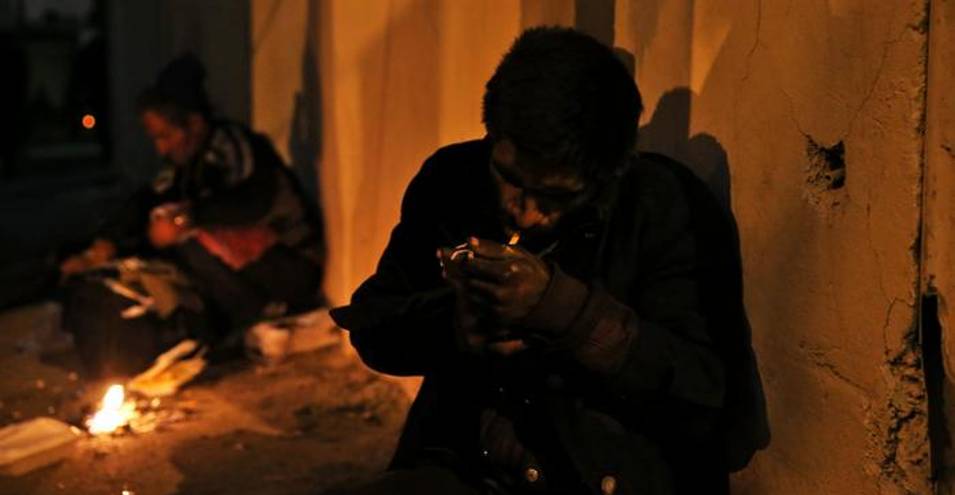
The head of Tehran’s anti-narcotics police said that currently 7,000 to 10,000 homeless addicts are scattered throughout Tehran.
Hashanvand, referring to the spread of “emerging substances,” called on officials to monitor young people, high school students, and university students.
According to him, the “alarm bells” have sounded regarding the prevalence of emerging drugs among young people, and “officials should have more effective preventive measures.”
The Growing Problem of Addiction in Iran
Various statistics and reports on the problem of addiction in Iran have been released so far, indicating that addiction is one of the major social challenges in contemporary Iran.
For instance, last December, the acting head of the cultural deputy of the Ministry of Sports and Youth stated that today we have not been successful in the prevention of drug use, saying: “The reduction in the age of drug use is a warning.”
Sina Kalhor added that in the field of prevention, “only sending a text message” cannot be sufficient.
Last June, Mostafa Hadizdeh, secretary of Tehran Province’s coordination council for combating drugs, referring to the reduction in addiction age and “feminization of drug use,” stated that half of the country’s prisoners are drug offenders.
In June last year, the director-general of treatment and social support of the anti-narcotics headquarters announced that approximately 12 to 13 people die daily in Iran due to drug use.
Reza Touserkani-Manesh had stated that in total, 4 million 400 thousand people in Iran use drugs.
Responsible officials in various provinces also report an increase in the number of addicts, particularly among young people.
For instance, last September, the secretary of the anti-narcotics headquarters of Ardabil Province announced that according to official statistics, the age of addiction in the province “is declining.”
Behnam Behdasti did not reference these “official statistics,” but acknowledged that adolescents and young people have shown a tendency toward the use of synthetic drugs.
Some experts attribute the spread of addiction in Iran to factors including unemployment, lack of social freedoms, political pressures, lack of recreational facilities, economic problems, and lack of perspective for the future.
Source: DW