Chaharmahal and Bakhtiari Residents Gather in Protest Against Water Shortage Two Days After Major Isfahan Demonstration
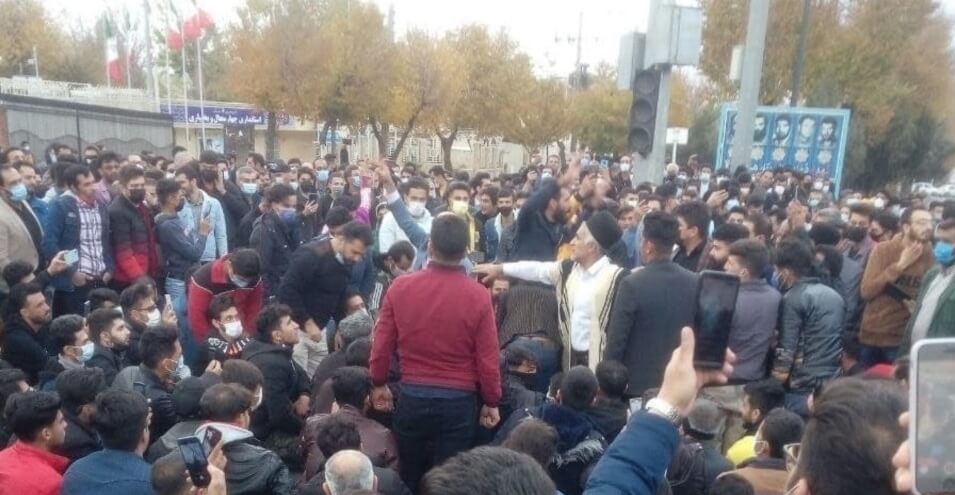
Protesting residents of Chaharmahal and Bakhtiari held a demonstration on Sunday, November 30, in the streets of Shahrekord, including in front of the provincial governor’s office, to protest water transfer projects from this province to other provinces.
Based on videos recorded and released from today’s gathering, one of the protesters, pointing out that provincial officials have made promises a hundred times but failed to act on them, shouted: “These people will not sit idle anymore.”
According to this protester, 300 villages in Chaharmahal and Bakhtiari are struggling with drinking water shortages.
Furthermore, demonstrators chanted slogans such as “Where is the governor, he must come out,” “This is Chaharmahal, taking water is impossible,” and “Today our water, tomorrow our soil.”
With climate change and reduced rainfall in recent years, Chaharmahal and Bakhtiari has faced a severe water shortage crisis. Reports indicate that at least 200 cities and villages in this province are being supplied with water by tanker trucks.
Unfulfilled promises by authorities, including the incomplete Ben-Brujen water transfer project designed to supply water to half of the province’s population, have prompted the protests of Chaharmahal and Bakhtiari residents.
Protesters also demanded the halt of water transfer projects, including the Beheshabad tunnel, Golab, and the Kohrang 3 dam and tunnel.
Some of these demonstrators say that if water from this province is to be transferred to desert provinces like Isfahan and Yazd, it should only be for drinking purposes.
Chaharmahal and Bakhtiari officials have prioritized water transfer projects while half of the province’s population faces challenges in securing drinking water, and farmers in the region are also struggling with water shortage crisis.
Meanwhile, Isfahan witnessed farmers’ gatherings since November 17 in protest against water rights cuts and the drying up of the Zayanderud River. These protests gradually expanded with the support of other segments of society, until Friday, November 28, when the largest gathering in recent days was held with the participation of thousands of Isfahan residents.
During this gathering, many people chanted protest slogans in the dry bed of the Zayanderud River.
Following the water shortage crisis in many parts of Iran, including Khuzestan, which has made access to drinking water difficult for citizens and posed serious risks to agriculture, livestock, and the overall livelihoods of households in these areas, several cities in Khuzestan Province witnessed popular protests in June of this year.
These nighttime protests initially started in eastern cities of Khuzestan and subsequently spread to other cities and even other provinces.
Government officials in Iran have repeatedly cited reduced rainfall in 1399 (2020-2021) and the continuation of this situation in the current year as the main cause of the water crisis in the country.
Source: Radio Farda