Ibrahim Raisi’s Order to Cancel Implementation of 2030 Document; Khamenei Had Called Its Implementation ‘Questioning the Country’s Independence’
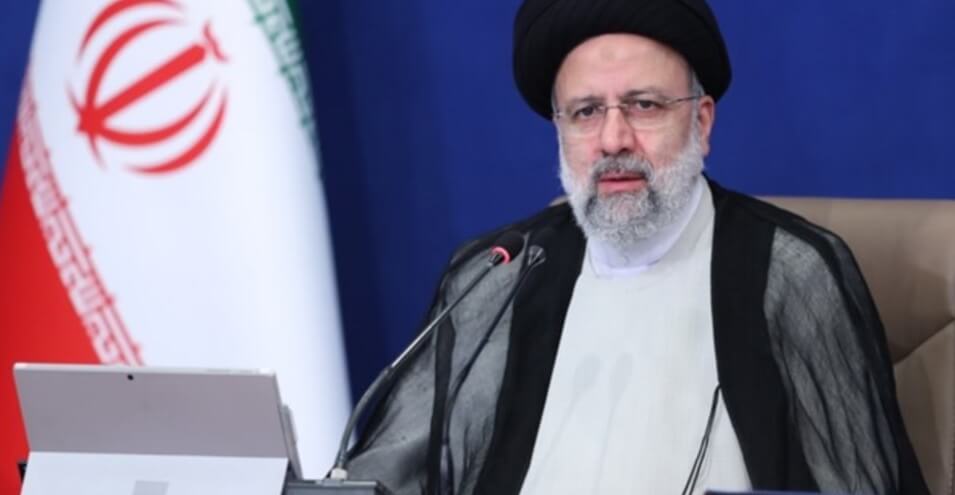
The Secretary of the Supreme Council of the Islamic Republic of Iran’s Cultural Revolution announced that Ibrahim Raisi, the President, issued seven resolutions of this council, including ‘cancellation of the implementation of the 2030 document.’
According to IRNA, in addition to canceling the implementation of the 2030 document, the other issued resolutions include the Iran Studies Foundation, the law on the formation of the board of trustees of universities and higher education and research institutions, the establishment of a planning group for special educational and research centers and institutions, and the amendment and completion of the regulations of the cultural commission for physical education and the Ministry of Interior.
The cancellation of the 2030 educational document was approved on June 13, 2017 (June 23, 1396) in the Supreme Council of the Cultural Revolution, but had not been implemented until now.
Ali Khamenei, the Leader of the Islamic Republic, had strongly criticized the Rouhani administration for what he called the silent implementation of the 2030 document in educational institutions.
Later, Hassan Rouhani announced that Iran is not committed to implementing this document and said that incorrect reports about this document were given to the leadership, but Ayatollah Khamenei announced that the reports that reached him were completely accurate.
Khamenei had considered the implementation of the 2030 document as ‘questioning the country’s independence.’
At the same time, government officials had announced that with the objection of the Leader of the Islamic Republic, the implementation of the provisions of the 2030 document in the government was stopped.
The dispute over the implementation of this document continued until June 2017, when, coinciding with the session of the Supreme Council of the Cultural Revolution, Mohammad Baqer Nobakht, the spokesman of the government at that time, told reporters that if the Supreme Council of the Cultural Revolution does not approve the 2030 document, the government will not implement it.
- 2030 Educational Document
The 2030 document was prepared based on a United Nations General Assembly resolution titled ‘Transforming Our World: the 2030 Agenda for Sustainable Development,’ which was approved by member states in September 2015. This resolution lists 17 action items for sustainable development of UN member states. Members are not obligated to implement this resolution and can choose to, or adapt it to their own conditions.
One part of the UN sustainable development program is education. The UN program states that by 2030, member states should provide equal opportunities with high quality and inclusive education to all residents of the country, regardless of gender and ethnicity.
The Islamic Republic of Iran also unveiled its educational program in December 2016 based on the UN program, which is what is meant by the 2030 document in Iran.
Source: Voice of America