Detention and Disappearance of Mobin Shahlibur and Yaseen Shahbakhsh in the Shadow of Security Institutions
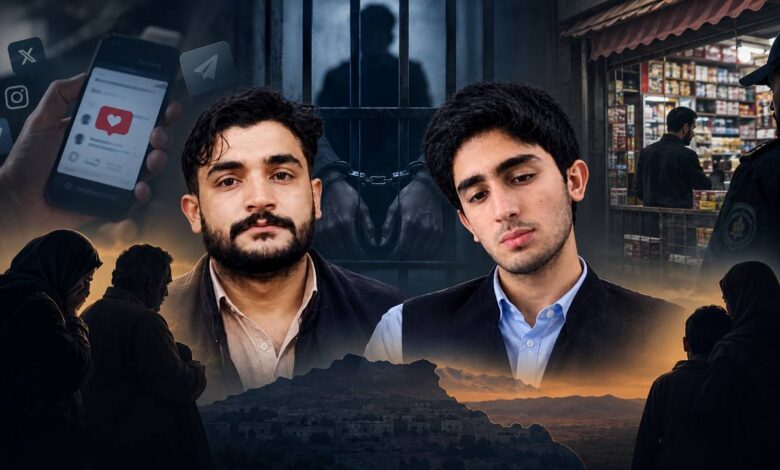
A Baloch student has been detained for activity on social media, and a Baloch shopkeeper for failing to report his customers’ movements to security agencies. Now their families are left without information about their whereabouts, health status, and formal charges. When even liking a post or failing to inform authorities about customers can become grounds for detention, what meaning does citizen security hold against the power of security institutions?
Mobin Shahlibur, a 21-year-old physics student at Zabol University, and Yaseen Shahbakhsh, a 30-year-old merchant from Zahedan, are living in a state of uncertainty and lack of information following their detention by IRGC Intelligence Forces. This situation has intensified serious concerns among their families about their health, security, and fate.
According to reports from human rights organizations, Mobin Shahlibur was arrested on Saturday, Mehr 11 (October 3), in the city of Zabol. Yaseen Shahbakhsh was also arrested on the evening of Monday, Mehr 13 (October 5), in Shahmarabad Quarter in the Manzelabad district of Zahedan. Reports indicate that through repeated inquiries, the families learned that their detention was carried out by the IRGC Intelligence Organization.
Based on information provided to the families verbally, Mobin Shahlibur’s detention is attributed to “activity on social networks and liking and commenting on posts by opponents.” Regarding Yaseen Shahbakhsh, it is stated that he was detained for failing to report his customers’ movements to security institutions.
If these explanations reflect the actual reasons for detention, a fundamental question arises: Should citizens be detained for liking or commenting on a post on social networks? Should a shopkeeper be obligated to report the movements of his customers to security institutions? And under which clear and verifiable law can one expect a citizen to monitor others’ movements instead of going about their daily work and life?
These verbal explanations do not substitute for formal charges, presentation of evidence, and transparent legal proceedings. No citizen should be deprived of their fundamental rights solely on the basis of security suspicion, virtual activity, or refusal to play an ambiguous surveillance role over others.
According to reports from Hengaw and Hrana, at the time of publication, more than ten days after the detention of these two citizens, clear information about their exact place of detention, health status, and formal charges remained unavailable. It has also been reported that both have been denied access to a lawyer and contact with their families.
Being unaware of the fate of a detainee is not merely an administrative problem. When a family does not know where their loved one is, under what conditions they are being held, and whether they have access to medical care, anxiety and worry become part of that family’s daily life. Deprivation of contact with family and effective access to a lawyer also limits the possibility of legal pursuit and defense of the detainee’s rights.
The responsible institutions must disclose the place of detention of these two citizens, provide them with the ability to communicate and access to a lawyer, clearly inform them of the formal charges, and place their detention conditions within the framework of law and judicial oversight. Depriving families of basic information about the fate of their loved ones makes accountability more difficult and increases concerns about potential violations of detainees’ rights.
The cases of Mobin Shahlibur and Yaseen Shahbakhsh once again draw attention to the situation of Baloch citizens’ rights and the necessity of ensuring equal protection of their rights. No one’s ethnic identity should be grounds for collective suspicion or deprivation of legal protection. A student must be able to study and express and share opinions in the virtual space; a shopkeeper must be able to run his business without being burdened with the ambiguous responsibility of security surveillance over his customers.
The presumption of innocence, the right to access a lawyer, knowledge of the reasons for detention, and the ability to communicate with family are fundamental principles for protecting detainees’ rights. These rights should not be disregarded under broad security pretexts. If there are specific charges against these two citizens, the responsible authorities must formally announce them and review the evidence in a fair process; rather than leaving families in darkness and worry.
Mobin Shahlibur and Yaseen Shahbakhsh have the right to know why they have been detained, where they are being held, and what charges have been brought against them. Their families have the right to be informed of their condition, and they have the right to access a lawyer. Real security is not ensured by keeping families uninformed and leaving charges ambiguous; it is only meaningful through clear laws, fair legal proceedings, and accountability of responsible institutions. As long as these two citizens remain deprived of their fundamental rights, the principal question remains: Who will be held accountable for this lack of information and limbo?