Iran’s Information Minister: Information Will Be Released on Whether Fuel Station Attacks Were Domestic or Foreign
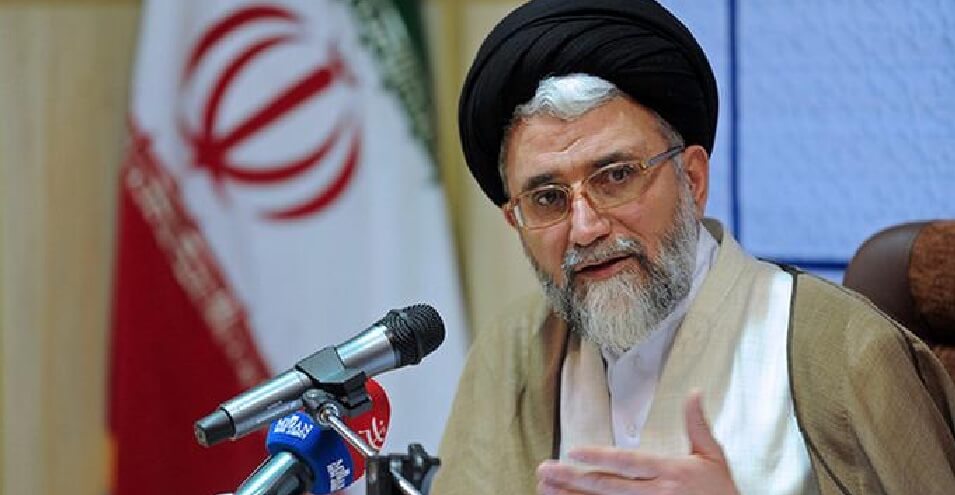
Iran’s Information Minister promised four days after cyberattacks on 4,300 fuel stations that complete information about the cyberattack will be presented to the people. He said a report will also be issued regarding whether the perpetrators were foreign or domestic.
Ismail Khatib, Iran’s Information Minister, appeared Thursday, November 6 (October 29) at the ministry’s press headquarters and, regarding conflicting information about cyberattacks on fuel stations and disruptions to fuel supply, stated that complete information about the cyberattack will be presented to the people.
Khatib emphasized: “Currently, until precise information is obtained about this matter, we cannot make accurate statements. This information must be collected and the relevant security and defense institutions must exchange this information with each other and present the result to the nation.”
Four days after the cyberattack on 4,300 fuel stations across the country, Iran’s Information Minister made no specific statements about the origin and perpetrators of the attacks.
Previously, some officials of the Islamic Republic of Iran had commented on the similarity of this attack to previous attacks on the Islamic Republic’s infrastructure, including the country’s railways, as well as the possibility that this attack was foreign in origin.
Abolhassan Firuzabadi, secretary of Iran’s Supreme Council of Cyberspace, stated on Tuesday night, November 4, in a special interview program on the second television channel that these cyberattacks, like the cyberattack on the Islamic Republic’s railway systems, may have been carried out from outside the country.
Media affiliated with the Islamic Revolutionary Guard Corps, including the Farsi News Agency, instead of reporting on the origin and perpetrators of these attacks, referred to the previous government’s approach and wrote: “If such an incident had occurred during the Rouhani administration, by now several major security incidents would have occurred in various sectors of the country, and the nation would have been gripped by severe unrest.”
The Farsi News Agency’s reference to “severe unrest” relates to protests that occurred in November 2019 as a result of gasoline price increases.
Government Concern Over Repeat of November 2019 Protests
In the current cyberattack on the smart fuel system, state television cut its programming to broadcast breaking news and covered the subject as the top story in various news sections.
Officials repeatedly explained to the people that gasoline would not become more expensive.
The occurrence of this incident in November has also revived memories of the protests from two years ago over increased gasoline prices.
Reuters News Agency, five weeks after those protests, reported in an exclusive report, citing Iranian officials, that approximately 1,500 people were killed in the protests in Iran.
The news agency wrote at the time, citing three sources close to Iran’s supreme leader, that the severe suppression of the protests was carried out on Khamenei’s orders.
Source: DW