Reporters Without Borders Calls for Release of Imprisoned Journalists in Iran on Eve of New Year
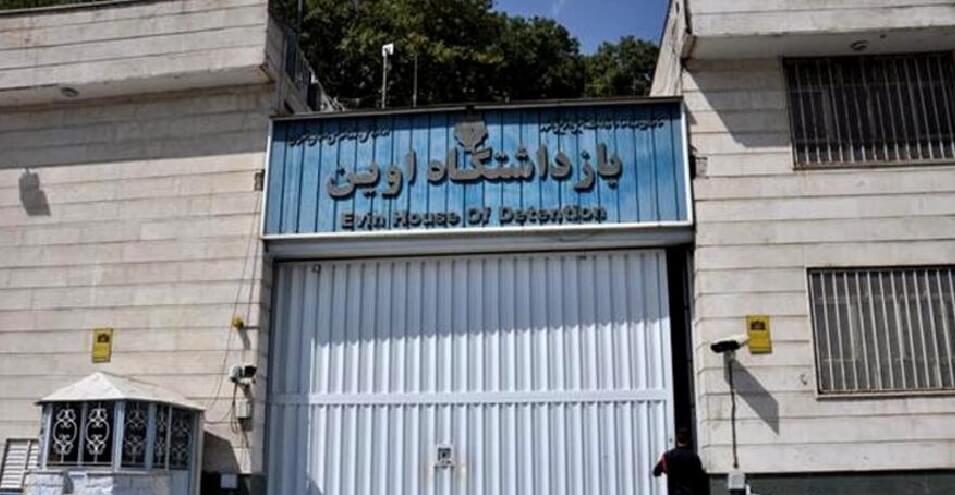
Reporters Without Borders described the Islamic Republic of Iran as “one of the world’s largest prisons for journalists” in a recent report and called on Iranian authorities to release all imprisoned journalists on the occasion of the new year, whose only “crime is fulfilling their duty to inform the public.”
Reporters Without Borders announced on Thursday, March 19, that despite Iranian officials’ claims of pardoning ten thousand prisoners on the occasion of Nowruz last year, none of the prisoners that the Islamic Republic has labeled as “security threats,” including imprisoned journalists, have benefited from this pardon and release.
Reza Moaini, head of the Iran and Afghanistan section at Reporters Without Borders, while referring to the latest report by Javaid Rehman, the UN Special Rapporteur on human rights in Iran, and emphasizing his findings on the suppression of freedom of information in Iran, stated: “21 journalists and citizen reporters in Iran have been arbitrarily detained, deprived of their basic rights, and sentenced to heavy sentences in unfair courts. Release them so they can celebrate Nowruz alongside their families in these difficult days, families from whom they should never have been separated.”
The Islamic Republic, as one of the world’s human rights violators, not only suppresses and detains journalists and citizen reporters annually, but also places their families under security pressure and sometimes detains them.
Alireza Alinejad, brother of Masih Alinejad, an independent journalist and host of the Tablet program at Voice of America, is a striking example of the violation of journalists’ family rights by the Islamic Republic. The appeals court upheld Alinejad’s eight-year prison sentence without regard to the objections of his defense lawyers.
Mohammad Mosaed, who won the International Freedom of Expression Prize from the Committee to Protect Journalists in 2020, is one of Iranian journalists who was arrested twice for publishing articles about internet shutdowns during the November 2019 protests and for criticizing the government’s response to the coronavirus pandemic. He, who was sentenced this past summer to four years and nine months in prison and two years of deprivation from journalism on charges of propaganda against the system and actions against national security, left Iran on January 19 of this year.
It should be noted that the Islamic Republic of Iran ranks 173rd out of 180 countries in the Reporters Without Borders’ 2020 World Press Freedom Index.