Iran News

Twitter Storm ‘Khavaran Historical Memory’ in Protest Against Iran’s Government
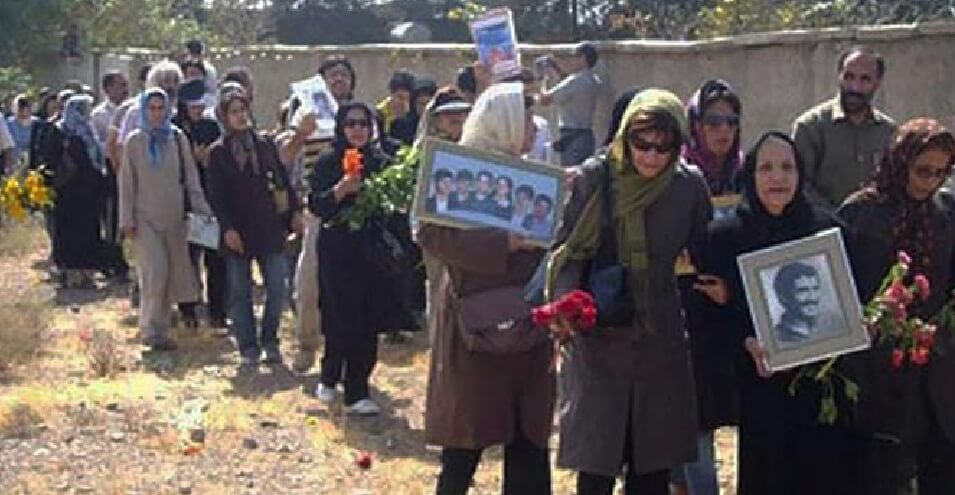
Families of those executed in the summer of 1988 have protested the Islamic Republic government’s attempts to destroy mass graves in Khavaran. The families’ protest has been accompanied by a Twitter campaign by users against the destruction of mass graves in Khavaran.

Simin Fahandej, spokeswoman for the Bahai community of Iran at the UN office in Geneva, announced the issuance of permission to bury the bodies of five Bahai citizens in the Bahai cemetery in Khavaran.

In this Twitter post, she thanked the “widespread and comprehensive support of Iranians” in recent days and considered it an indicator of the power of “unity and solidarity.”

The issue of preventing the burial of Bahai citizens in “Behesht-e Zahra” has been accompanied by reports of the destruction of mass graves in the Khavaran cemetery.

Users, in protest of the destruction of mass graves in Khavaran, launched a Twitter campaign with the hashtag #Khavaran_Historical_Memory.

Twitter Storm

On Tuesday, May 4, 2021 (14 Ordibehesht) a Twitter storm began in protest of the actions of Islamic Republic officials regarding the destruction of mass graves in Khavaran.

Before that, images showing the destruction of mass graves in Khavaran were posted on social networks. This very issue led to widespread protests by families of those executed in the 1980s as well as the mass killing of the summer of 1988.

In this Twitter storm, the preparation of the Khavaran cemetery for the burial of newly deceased bodies was considered a new trick by the Islamic Republic to erase the traces of those actions that Ayatollah Montazeri had referred to as the “greatest crime” of the Islamic Republic.

The “Khavaran Historical Memory” Twitter campaign has been accompanied by a protest letter from the families of those executed in the summer of 1988 in Iran. Moreover, the children of the executed also protested the Islamic Republic’s efforts to erase the traces of this “historical crime” by issuing a statement.

The families of those executed in the summer of 1988 asked Pirouz Hanachi, the mayor of Tehran, in their letter to hold Islamic Republic officials accountable for the destruction of mass graves in Khavaran.

They had asked what purpose and intention these actions were carried out with and from the perspective of which belief and conviction?

In this regard, the spokeswoman of the Bahai community of Iran at the UN office said that the Behesht-e Zahra organization prevented Bahai citizens from burying their loved ones in the cemetery designated for this religious minority and asked them to bury the deceased in a section of the Khavaran cemetery where the bodies of those executed in the 1980s were buried anonymously and without identification.

The signatories of the statement by the children of those executed in the summer of 1988 announced that the Khavaran cemetery is “the shared history of all those eliminated and fighters for justice and freedom” in Iran.

Mansoureh Behkish is one of those who lost several family members during the executions of the summer of 1988.

Regarding the “Khavaran Historical Memory” Twitter campaign, she wrote: “Khavaran is the history of 40 years of resistance and perseverance of the mothers and families of Khavaran, searching for their missing, mourning, covering themselves with dust, shouting, wailing, grasping at the earth, suffering, digging individual and mass graves, fainting, holding ceremonies and remembering.”


Source: DW

Related Articles

Back to top button