Biden’s Environmental Order: Halting Oil Pipeline Construction from Canada
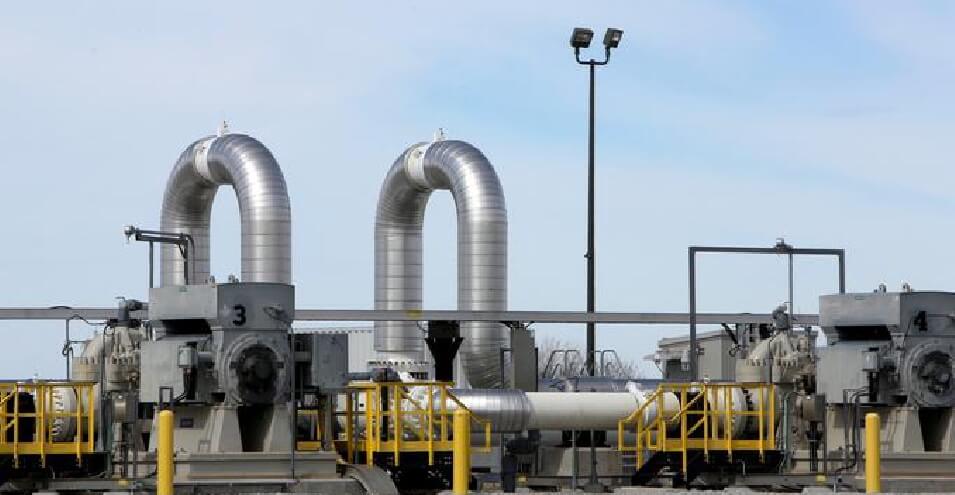
A 1,947-kilometer pipeline that was supposed to transport crude oil from Canada to the southern United States is environmentally controversial. Obama halted it, Trump gave it the green light to continue construction, and Biden has stopped it again.
Justin Trudeau, Prime Minister of Canada, is the first leader that Joe Biden, the new U.S. President, wants to speak with. According to Biden’s spokesman, this phone call is scheduled for Friday, January 22, regarding an “important matter” between the United States and its neighboring country.
The “important” topic of this conversation is the new U.S. President’s decision to once again prevent construction of the controversial “Keystone XL” pipeline between the United States and Canada. Biden signed the order to halt this project on Wednesday, January 20, just hours after taking the oath of office. Canadian company TC Energy, which has been implementing this project so far, expressed dissatisfaction with Biden’s decision, calling it “disappointing” and suspended its construction.
The “API” (American Petroleum Institute), which is the largest trade association for the oil and natural gas industry in America, criticized Joe Biden’s order to stop this project, calling it a “step backward.” Mike Sommers, head of the API, considered this action to weaken the American economy and said it would prolong the time for economic recovery.
The Canadian government wants this pipeline to come to fruition, which is supposed to transport approximately 500,000 barrels of crude oil daily from Alberta, Canada to refineries in Texas, USA. Canadian officials granted permission to build this pipeline in 2010. Barack Obama, the former U.S. President (when Joe Biden was his Vice President), prevented the construction of this 1,947-kilometer pipeline due to the project’s environmental damage. Donald Trump, Obama’s successor, one year after entering the White House (2017), gave the green light to continue this controversial project, and now Biden, on his first day of work, has once again reversed this decision by his predecessor.
Environmental activists have repeatedly warned over the past several years about the catastrophic consequences of potential oil spills in this pipeline. Not only oil spills, but the complex process of extracting oil from oil sands also severely damages the environment and water resources and leads to the production of large volumes of greenhouse gases.
The world’s largest oil sands reserves are located in Alberta, Canada and in Venezuela. Oil sands, or tar sands, are found either as sands or as hardened rocks composed of a mixture of sand, clay, water, and bitumen (very heavy oil with much higher viscosity than conventional oil).
Trump’s Legacy and Biden’s Path Forward
Joe Biden’s first promise was to return to the Paris International Agreement to combat climate change. He requested the return of the United States to the Paris Agreement by sending a letter to the UN Secretary-General, which will take effect from February 19. He wants America to be a leader in combating global warming. Biden has ordered a review of all Trump’s previous executive orders in this field.
Donald Trump tried to cement the anti-environmental policies of his four-year presidency during his remaining weeks in office. The U.S. Department of Interior issued oil drilling permits for some of the largest natural reserves in the United States during this period, including the National Wildlife Refuge in the Arctic in Alaska. It also granted drilling permission in Chaco Canyon in New Mexico, which is where the indigenous Puebloans (ancient Pueblo peoples) are listed on UNESCO’s World Heritage List.
One of Biden’s other promises is to invest in clean energy and reduce greenhouse gas emissions in America by 2050 according to standards that scientists have presented to prevent global warming and reduce fossil fuel consumption. A policy that will face opposition from fossil fuel-producing companies, and implementing it is not easy.
During four years, Trump repealed over 100 environmental laws enacted by his predecessor Barack Obama, which the current U.S. President will not easily be able to restore all of them so quickly.
Source: DW