Iran News

‘No Insulin’; Widespread Protests by Iranian Social Media Users
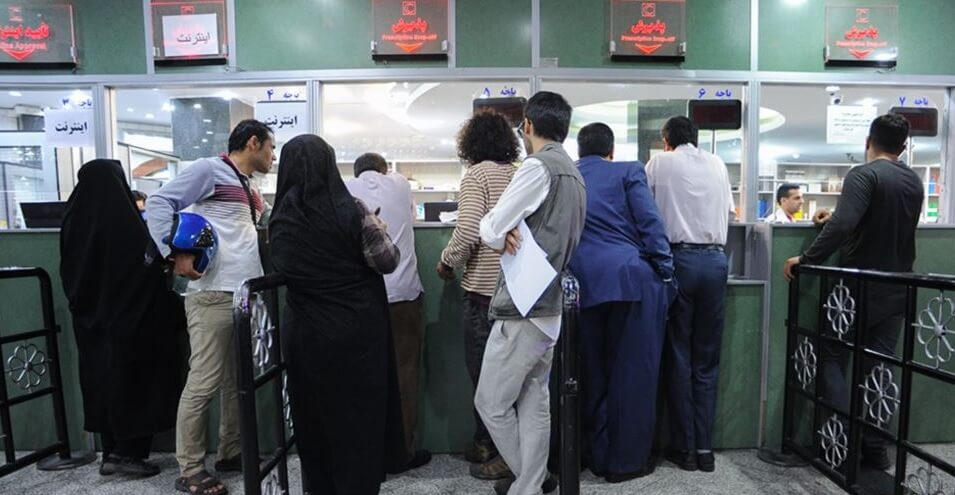
Eight months after the first insulin shortages appeared in Iranian pharmacies, the scarcity of this vital drug for diabetic patients over the past week has sparked widespread protests by social media users using the hashtag ‘No Insulin’.

Pen insulin, which diabetic patients often need to inject several times a day, has been difficult to find since March 2020, but the drug’s scarcity and unavailability began receiving media coverage from late September onwards.

However, due to the lack of response from government officials, on Sunday, October 18, a large number of users used the hashtag ‘No Insulin’ to express concern about the condition of diabetic patients and turn this drug request into a public protest.

Pen insulin is becoming scarce while among more than five million diabetic patients in Iran, at least 600,000 people need daily insulin injections and also depend on blood glucose test strips to measure their blood sugar levels daily.

In this regard, 120 endocrinologists, on September 18, wrote a letter to Hassan Rouhani, Iran’s president, stating that “despite informing and repeated correspondence from the country’s diabetes associations with responsible authorities in the Central Bank and Ministry of Health regarding the serious shortage of these two products, unfortunately not only has there been no improvement, but it seems that the sensitivity of the issue has not been effectively conveyed to senior government officials.”

These doctors also emphasized in their letter that the government has the capacity to provide the required insulin, “but in the view of government officials, the importance of providing insulin as an absolutely essential drug is not well understood.”

Following this letter, Mahmoud Vaezi, the Chief of Staff of the President, announced on September 30 in a letter to the Health Minister that “as ordered by the president, conduct an investigation and take immediate action.” However, after nearly a month has passed, virtually no progress has been made in getting pen insulin to patients.

Previously, some government officials cited “difficulties in providing foreign currency and allocating it to pharmaceutical companies” as one of the main reasons for this shortage. However, Seyyed Heydar Mohammadi, the Director General of Drugs at the Food and Drug Organization, and also Homayoun Najafabadi, a member of the Parliament’s Health Commission, recently said that one of the reasons could be “reverse smuggling” of this imported drug to neighboring countries.

In recent years, numerous reports have been published about drug smuggling from Iran, particularly to Iraq, which have included scarce medicines.

The latest case was the seizure of 19 trucks carrying hundreds of thousands of doses of drugs destined for Iran by Iraqi military intelligence, with the news reported on October 15.

The publication of this news at a time when Iranian government officials have repeatedly criticized and complained about the impact of sanctions on drug imports to Iran also drew significant attention on social networks.

Seyyed Heydar Mohammadi, Director General of Drugs at the Food and Drug Organization, in an interview with ISNA news agency, while referring to the “reverse smuggling” of pen insulin, asked diabetic patients to temporarily use other types of insulin known as regular insulin.

This is while Alireza Esteghamati, a member of the National Diabetes Committee, says that approximately 80 percent of people with diabetes using pen insulin (analog) is not solely due to the convenience of its use, and these two types of insulin “in addition to structural differences, also differ in the extent and type of their effects.”

According to the Director General of Drugs at the Food and Drug Organization, currently only two pharmaceutical companies are assembling pen insulin, which does not meet the total needs of all patients. However, he has promised that this shortage will be resolved by November.

This is while during the peak of the coronavirus pandemic, patients with diabetes are considered among the most vulnerable groups against the coronavirus, and insulin shortages could have fatal consequences for these people.


Source: Radio Farda

Related Articles

Back to top button