36 Days Into Hunger Strike; Concerns Expressed Over Physical Condition of Nasrin Sotoudeh, Imprisoned Lawyer in Iran
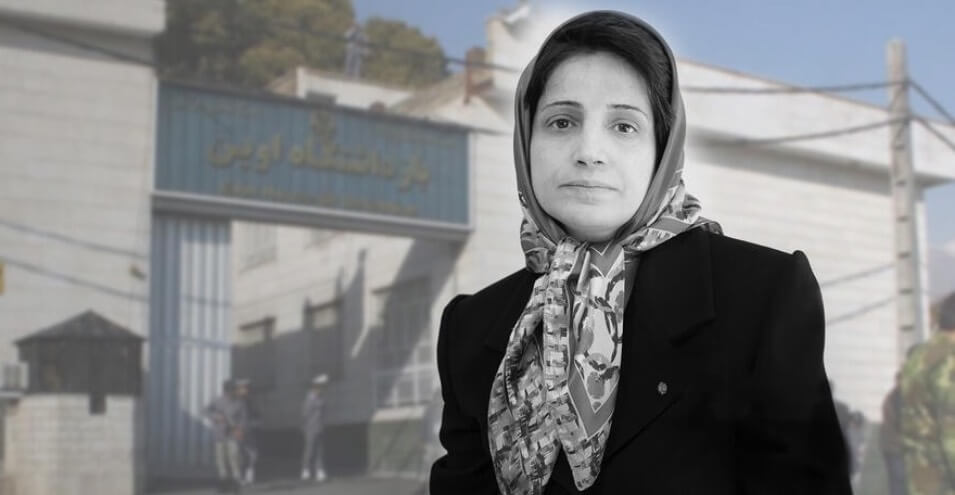
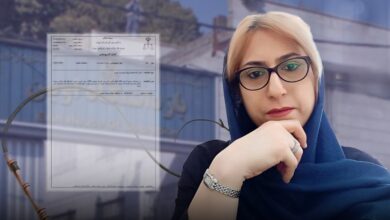
After 36 days of hunger strike by Nasrin Sotoudeh, an imprisoned lawyer in Iran, her husband Reza Khandan says her physical condition has deteriorated in an alarming manner following the prolonged hunger strike.
Reza Khandan announced on Monday, September 14 on Twitter that he has recently learned about Nasrin Sotoudeh’s physical condition through imprisoned inmates. He wrote that Bahar Laleh Zarei, during a visit with her husband Rezvaneh Ahmadkhanbeigi, a detained civil activist, learned that the physical condition of Nasrin Sotoudeh, the imprisoned human rights defender, is concerning.
Mr. Khandan stated, “I spoke with Rezvaneh’s husband who had visited her. From our conversation, I understood that Nasrin’s condition has deteriorated in an alarming way. It is much worse than what she tried to convey over the phone in recent days.”
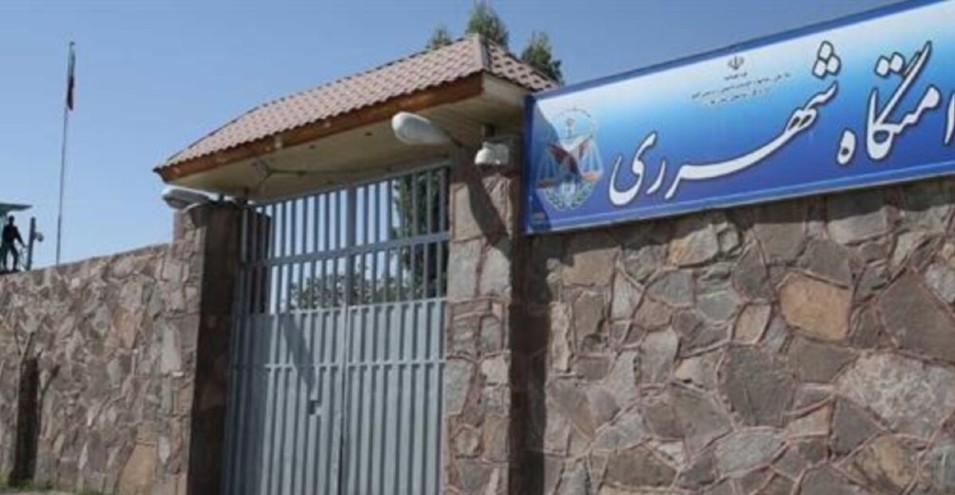
This human rights defender and imprisoned lawyer, after weeks and months of her entire correspondence with prison officials, the prison organization, and also officials of the judiciary regarding the rights of prisoners, living conditions of inmates inside the prison, in-person visits, prisoner furloughs, and issuance of long-term prison sentences for political prisoners went unanswered, began a hunger strike on Tuesday, August 12 in prison.
Robert Menendez, a senior member of the American Democratic Party, announced on Thursday, September 5 on Twitter that Nasrin Sotoudeh, an Iranian human rights defender, should never have been imprisoned in the first place. He continued in his Twitter message, stating that Iran must immediately and unconditionally release Nasrin Sotoudeh and end her hunger strike before her condition worsens.
Previously, the Office of Women’s Affairs at the U.S. State Department also expressed support and deep concern for Nasrin Sotoudeh’s health, calling on the Iranian regime to release this imprisoned human rights lawyer and all political prisoners who have been unjustly detained.
Nasrin Sotoudeh, who was sentenced to 33 years in prison by the Islamic Republic on charges such as “assembly and conspiracy against national security, spreading falsehoods and disturbing public opinion” for defending political prisoners, began her hunger strike on August 12 of this year in protest against the Islamic Republic’s mistreatment of prisoners and failure to respect their rights.
This is not the first time Ms. Sotoudeh has gone on a hunger strike. On Monday, March 16, she was among the political prisoners who launched a hunger strike in response to the prevention of political prisoners’ release amid the coronavirus outbreak.
Shorty ago, Mike Pompeo, the U.S. Secretary of State, said at a press conference: “We have asked not only Syria, but also the Islamic Republic of Iran, to release not only American citizens but all those who have been unjustly imprisoned in these circumstances. This is a humanitarian action, and apart from the fact that these individuals have been illegally imprisoned, in these circumstances, the principle of humanitarianism dictates that they be released from prison.”
Source: Voice of America