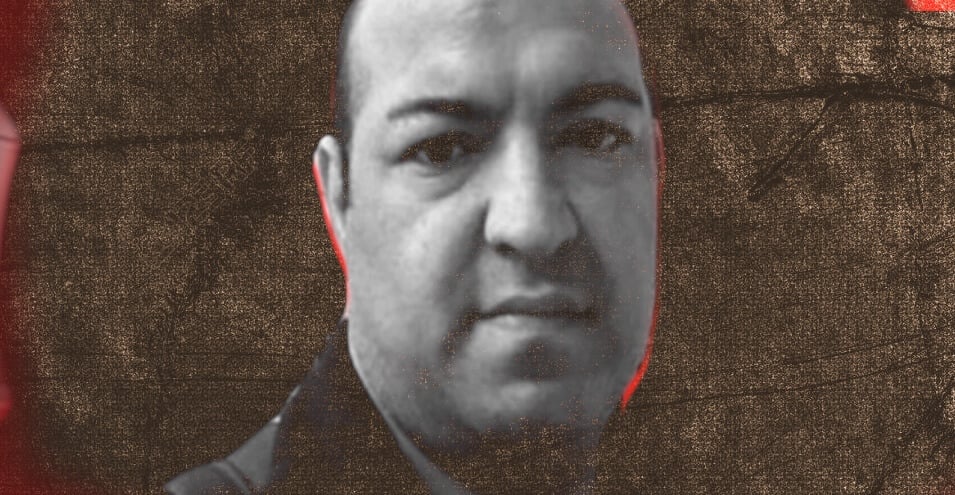
Over Forty Days After Execution; Denial of Access to Navid Afkari’s File/ Growing Concerns Over Afkari Brothers’ Condition

Hassan Yousefi, lawyer for the Afkari brothers’ case, announced the denial of access to Navid Afkari’s file despite 40 days having passed since his execution, stating “According to the execution sentence implementation regulations, the condemned person must be examined by a physician before execution, and his final physical condition must be recorded. Navid Afkari’s family and case lawyers still have ambiguity regarding the manner of execution and Navid’s final physical condition and health.” He also described the condition of Habib and Vahid Afkari as “concerning” and added “Since the execution of Navid Afkari’s sentence, Vahid and Habib have been held in a location outside the general ward, and during this period, their families and lawyers have had no visits with the Afkari brothers, which violates the law.”
According to Hrana news agency, citing Emtedad, Hassan Yousefi, lawyer for the Afkari brothers’ case, stated: “Based on information provided by my colleagues stationed in Shiraz, Habib and Vahid Afkari are in a concerning condition.”
He added: “Despite follow-ups and more than 40 days having passed since Navid Afkari’s execution, unfortunately the lawyers have still not been granted access to his file. According to law, the lawyers and family of Navid have the right to access the execution order minutes and the manner of its implementation.”
Yousefi emphasized: “According to the execution sentence implementation regulations, the condemned person must be examined by a physician before execution, and his final physical condition must be recorded. This matter should be documented alongside details of the manner of execution, including the names of those present during execution when drawing up the session minutes. Nevertheless, despite repeated referrals, the lawyers have not been able to view the session minutes and the final examination before execution. Therefore, Navid Afkari’s family and case lawyers still have ambiguity regarding the manner of execution and Navid’s final physical condition and health.”
This lawyer further stated: “Navid Afkari, before his execution, and Vahid and Habib in their communications, reported being beaten. They also stated that evidence of beatings was recorded by the forensic physician. Vahid and Habib Afkari filed complaints about this, and judicial authorities and prison officials are obligated to investigate these complaints. It is necessary to provide lawyers access to the forensic report and legal visits with these two clients so they can pursue judicial proceedings regarding their complaints about the beatings.”
Yousefi, noting that since Navid Afkari’s execution, Vahid and Habib have been held in a location outside the general ward, and during this period their families and lawyers have had no (free) visits with the Afkari brothers, added: “On this basis, there is no information about their place of detention and whether they are held in solitary confinement or not. This issue has caused concern for the Afkari family. According to prison regulations, final convicts should only be held in general wards under the supervision of the prison organization. Also, according to the same regulations, detention of accused persons in detention centers is only possible with a written order from judicial authorities, and the detention of Habib and Vahid Afkari outside the general prison ward and without (free) visits violates the law.”
He continued: “Even if this action was taken as disciplinary punishment, solitary confinement of a prisoner is not lawful, and according to the prisoner detention regulations, holding them in such conditions is both unethical and contrary to these regulations.”
It should be noted that Navid and Vahid Afkari were arrested on the 26th of Shahrivar 1397 and Habib Afkari on the 22nd of Azar 1397 in connection with nationwide protests in Mordad 97. These individuals were repeatedly beaten and tortured during interrogations to obtain confessions.
These citizens were tried by the Revolutionary Court and Shiraz Criminal Court, and Navid Afkari was sentenced to two death sentences, 6 years and 6 months imprisonment and 74 lashes; Vahid Afkari to 54 years and 6 months imprisonment and 74 lashes; and Habib Afkari to 27 years and 3 months imprisonment and 74 lashes.
Navid Afkari’s execution sentence was finally carried out on the morning of Saturday, the 22nd of Shahrivar 99, at Adel Abad Prison in Shiraz.
Hrana on the 7th of Shahrivar of this year first reported in detail the issuance of execution, imprisonment and lashing sentences for Navid, Vahid and Habib Afkari and also published related documents.
Source: Hrana