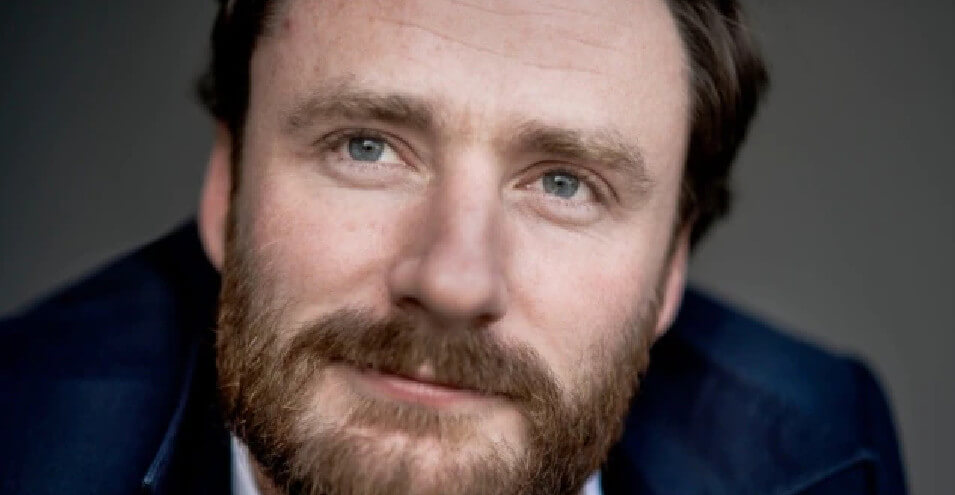
Petrochemical Case: Former Industry Minister’s Son-in-Law Has Fled Iran
The judge presiding over the “corruption in petrochemicals” case says the son-in-law of a former industry minister fled Iran with a different passport. It was previously stated that Ali Ashraf Riahi had taken his wife and children out of the country and was in hiding domestically.
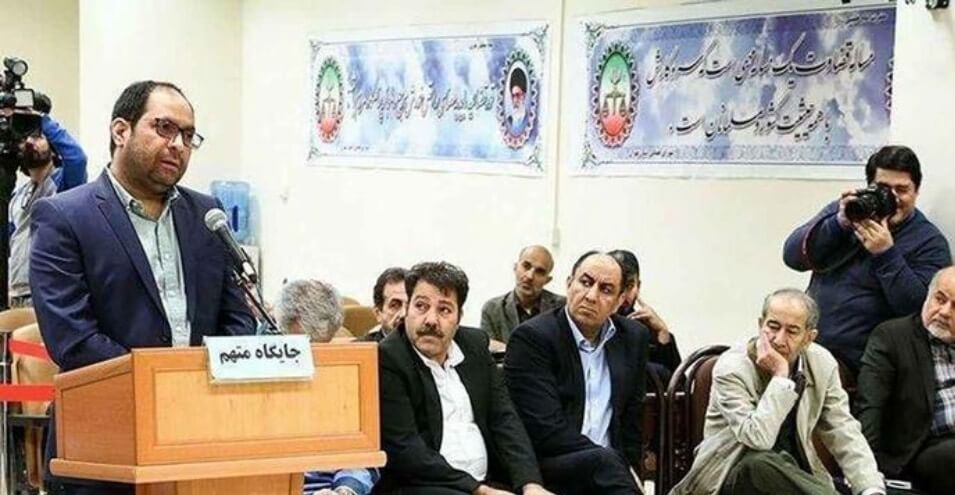
At the fourteenth session of the court hearing on charges of economic disruption worth 6 billion and 656 million euros at “Petrochemical Trading Company,” the court judge announced that one of the defendants had fled the country with a forged passport.
Ali Ashraf Riahi, son-in-law of Mohammad Reza Nematzadeh, former minister of industry and mines in the Rouhani administration, is accused of complicity in “large-scale economic disruption” and “unlawful acquisition of funds.” According to Judge Masudi Moghaddam, after sending his wife and children abroad, he managed to flee Iran with another person’s passport.
It was previously stated that Riahi was unable to leave the country due to a travel ban.
The petrochemical economic corruption case involves 15 defendants in total, with four others also absconding, including Marjan Sheikhol-Eslami, partner of the first defendant.
Marjan Sheikhol-Eslami is accused of, in collaboration with Reza Hamzelu, former CEO of Petrochemical Trading Company, establishing companies to circumvent sanctions and acquiring over seven million euros in “unlawful funds.” He has, however, rejected these allegations in a letter.
Judge Masudi Moghaddam, in response to Hamzelu’s defense regarding currency conversion to rials with legal permits, stated: “Ali Ashraf Riahi provided some information with documents and fled the country with another passport.”
He asked Hamzelu to provide documentation of the spent currencies transferred to the court within one week. The judge, emphasizing the documents submitted by Ashraf Riahi, said: “This person even provided information against the former minister, who is his father-in-law, in line with settling accounts regarding Shabnam Nematzadeh in the pharmaceutical matter, and submitted documents, and the documents that were submitted were from your partners and associates, and the documents have been verified.”
IRNA reports that Reza Hamzelu denied knowing Ashraf Riahi and said that if Sheikhol-Eslami was behind the transfer of 240 million euros through exchange shops, he should answer personally.
The court also charged the former CEO of Petrochemical Trading Company with purchasing two buildings for Sheikhol-Eslami in Canada and paying currency to his son and brother.
Family Companies
The pharmaceutical case referenced in court sessions and the documents submitted by the former industry minister’s son-in-law trace back to “Rasa Pharmaceutical Development” company, which was managed by Mohammad Reza Nematzadeh’s daughters. Zeinab Nematzadeh, wife of Ali Ashraf Riahi, was a member of the company’s board of directors, and the management of affairs was in the hands of Shabnam Nematzadeh, who was sentenced to 20 years in prison and 74 lashes on charges of “drug hoarding” and “disruption of the economic system.”
Ahmad Tavakoli, former parliament representative and director of the civil organization “Transparency and Justice Watch,” had requested in 1395 that the government dismiss the “billionaire, privilege-seeking minister.” In a detailed letter, by listing the violations of the then-industry minister, he had referred to the activities of Nematzadeh’s wife and daughters in 10 companies as CEO, president, deputy, auditor, or board member.
Mohammad Reza Nematzadeh recently, by participating in the television program “Dastkhatt” (Handwriting), claimed that they had only one family company in their possession and his assets were so limited that to pay part of his daughter Shabnam’s debts, he was forced to sell his paternal house. He made no reference to his son-in-law’s disappearance and the petrochemical case; however, he said that his imprisoned daughter wants to change her name after release: “Because the name Nematzadeh brings her suffering.”
Source: DW