Do Not Travel During Muharram Holidays
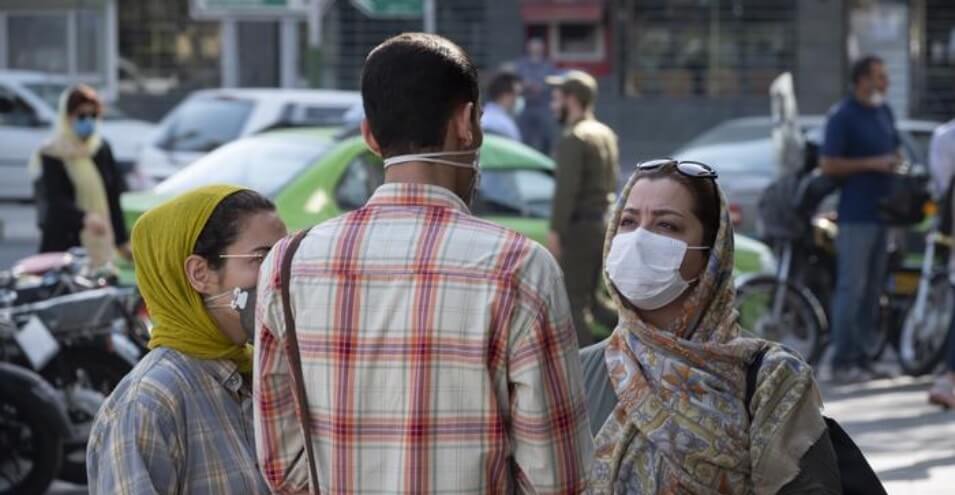
The status of 13 Iranian provinces, including Caspian Sea border provinces, is red due to the spread of coronavirus. Nevertheless, the country’s Road and Transport Organization has predicted that approximately two million vehicles will travel on the roads during the upcoming holidays.
Information released by Iran’s Ministry of Health shows that 13 provinces are in a red status due to coronavirus spread. The status of Tehran, Mazandaran, Gilan, Qom, Isfahan, Razavi Khorasan, East Azerbaijan, Kerman, North Khorasan, Semnan, Yazd, Zanjan, and Qazvin provinces is “red” due to high rates of coronavirus infection. Another 15 provinces out of the country’s total 31 provinces are in “alert” status.
Despite the widespread outbreak of coronavirus across the country, the National Coronavirus Combat Headquarters has not yet issued orders to impose greater restrictions during the upcoming holidays.
Saturday and Sunday, the 8th and 9th of Shahrivar, corresponding to the 9th and 10th of Muharram, are official holidays. Traffic police say that from the end of the week, Thursday and Friday the 6th and 7th of Shahrivar, traffic on the country’s roads, especially toward Caspian Sea border provinces, will increase.
The traffic police of Mazandaran, one of the red status provinces in the coronavirus pandemic, reported an increase in the volume of incoming traffic to Mazandaran province on Wednesday, the 5th of Shahrivar. Colonel Alireza Qadami simultaneously stated: “Unfortunately, the traffic police cannot close the entrances to this province or impose restrictions and prohibitions to prevent coronavirus spread because Mazandaran province is in red status, and the order from the National Coronavirus Combat Headquarters must definitely be issued for this action.”
The head of the traffic police of Mazandaran added that restrictions, including temporary one-way implementation on roads, will only be applied in case of traffic congestion on the province’s entrance routes.
The prediction of the Road and Transport Organization shows that approximately two million vehicles will travel on Iran’s roads during the upcoming four-day holidays. The head of this organization emphasized that they are only “responsible for reviewing statistics and recording them, and decision-making in this area is within the duties of other competent authorities.”
Abdolhashem Hasanniya, head of the Road and Transport Organization, referring to the direct relationship between intercity and inter-provincial travel and the rate of coronavirus spread, told ISNA news agency: “Whenever people have forgotten to stay at home and traveled for a few days, within a few days and weeks after that, the statistics of coronavirus infection in the country have also increased.”
He asked people to refrain from unnecessary travel during the upcoming holidays and help improve the statistics of infection in the country by observing the announced protocols.
Statistics from the Ministry of Health show that currently 3,831 patients with COVID-19 are under hospital care in severe condition. There is no clear statistics on the total number of hospital beds in the intensive care section.
Weeks before the coronavirus became a pandemic, Ali Amir Savadikohi, head of the Iranian Society of Critical Care, stated that there are 7,200 ICU beds in the country, which is not sufficient to meet the needs of critical care patients.
In December, at the seventh international congress on critical care in Iran, referring to the cost of setting up each ICU bed, which was estimated at 1.5 to 2 billion tomans at that time, he stated that it is not possible to increase these beds given the country’s economic difficulties.
Nader Toukali, Deputy Treatment Director of the Coronavirus Combat Headquarters in Tehran province, stated in June that the capacity of hospitals accepting coronavirus patients in this city’s hospitals is becoming full. According to Toukali, approximately 100 hospitals in Tehran accept coronavirus patients.
Iran has a total of 950 hospitals and medical centers. From June until now, on average two thousand new cases of coronavirus infection have been recorded daily in Iran, and the number of patients requiring hospitalization in the critical care section has increased daily before the recovery and discharge of previous patients.
Now, on the eve of autumn, while there is still no organized and comprehensive plan to control and manage the coronavirus pandemic, the head of the “Command Center for Coronavirus Disease Management Operations in Tehran metropolis” has announced the formation of a third wave of COVID-19 disease in early autumn.