Letter from Fashafuyeh Prison Inmates to Tehran Prosecutor: Coronavirus Spreading in Prison
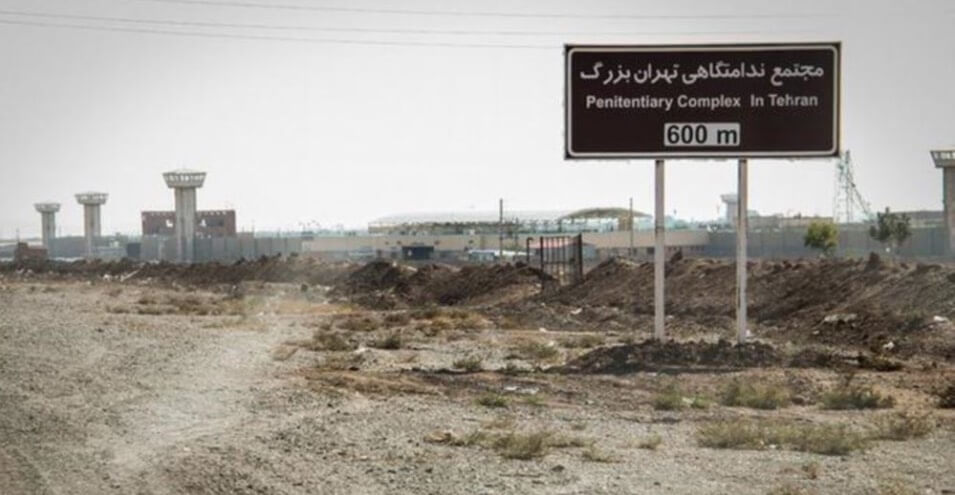
Sixty political prisoners and those convicted in the November 2019 protests at Tehran’s Fashafuyeh Prison have expressed concern about the spread of coronavirus in certain wards of the prison in a letter addressed to Tehran’s Prosecutor General, and have called for the presence of a judicial inspector overseeing prisons.
According to a report by the Campaign for the Defense of Political and Civil Prisoners on Sunday, September 9, these individuals, referring to the judiciary chief’s directive to issue emergency furloughs to prisoners due to the threat of coronavirus, stated that their families’ efforts to obtain furloughs have been unsuccessful.
The November 2019 protests, sparked by a rise in gasoline prices, led to the violent suppression of demonstrators by Iranian security and law enforcement forces, with some reports indicating the detention of seven thousand protesters.
Previously, the Campaign for the Defense of Political and Civil Prisoners reported that over 300 prisoners from the November 2019 protests are held in Fashafuyeh Prison.
In a letter addressed to Ali Qassi Mehr, Tehran’s Prosecutor General, political prisoners and those convicted in the November protests, referring to the spread of coronavirus in some wards of Type 5 at Tehran’s main prison and the continuous unsuccessful follow-ups by prisoners’ families, called for the presence of Amin Vaziri, the judicial inspector overseeing the prison, in the Type 5 ward of this prison.
In recent weeks, numerous reports of coronavirus outbreaks in Iranian prisons, particularly in sections housing political and civil prisoners, have been published.
These prisoners say they have requested Mr. Vaziri’s presence through various channels, but no effective action has been taken on this request.
The letter further states that following the judiciary chief’s directive to issue emergency furloughs to prisoners due to the coronavirus threat, their families have made repeated visits to the judicial officer stationed at Evin’s security court to follow up on this matter, but they have either failed to meet with him or have not received clear answers.
On August 1, Amnesty International revealed some correspondence between Iran’s prison organization and the Ministry of Health, revealing that the Islamic Republic of Iran has fallen short in sending medical equipment and supplies to prisons to contain the coronavirus disease.
In recent months, numerous requests from international human rights organizations for the release of political prisoners during the coronavirus outbreak have been raised, which have been largely ignored by Iran’s judiciary.
On August 20, the Free Workers Union website reported that 12 political prisoners contracted coronavirus in Evin Prison, among them Jafar Azimzadeh, secretary of the Free Workers Union board, Ismail Abdi, a member of the Teachers’ Professional Organization, Amir Salar Davari, a lawyer, Majid Ashrafi, and Mohammad Davudi.
On August 21, the Atlas of Iranian Prisons website reported that following the coronavirus outbreak in Evin Prison, a number of political prisoners in Ward 8 of Evin Prison staged a sit-in in the prison yard.
Also, Narges Mohammadi, a human rights activist serving time in Zanjan Prison on charges of “propaganda against the system,” reported that she and 11 other cellmates had contracted the coronavirus.
Source: Radio Farda