Asaluyeh Workers at Serious Risk of Coronavirus Infection
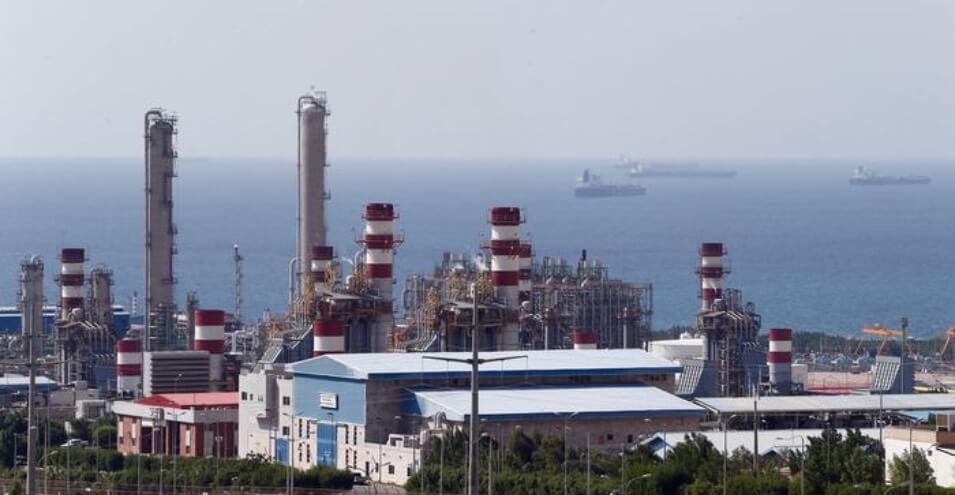
Coinciding with the spread of coronavirus in Bushehr Province, the representative of Kangans, Deylamand Jam in parliament has described the situation of workers in the South Pars gas field as concerning in the face of this disease. He has warned that “we have even gone beyond the red condition.”
Workers in various phases of the South Pars gas field in Asaluyeh and Kangans are concerned about contracting the disease and infecting their families, given their working conditions and the spread of coronavirus contamination in the region.
ILNA news agency reported on Tuesday, June 23rd (3rd of Tir) that workers, most of whom live in camps away from their families, are not only worried about contracting the virus themselves, but also fear they may transmit the disease to their families during their leave days.
In contact with ILNA, they complained about the halt in the distribution of health packages and contamination of transportation services. Given that personnel leave is returning to normal routines due to major maintenance work, they have expressed their concerns during the summer maintenance period.
Major refinery maintenance begins every year in early summer in the South Pars region due to reduced gas consumption across the country. During these repairs, workers are forced to work in close proximity. One worker told ILNA: “The refineries and petrochemical plants in the region witness the spread of coronavirus on an increasingly daily basis, and this becomes more dangerous when the managers of these industries sometimes ignore health protocols.”
According to him, the only strategy used by industry managers to prevent the spread of coronavirus is to send infected workers to their cities. Apparently, in some South Pars refineries, one week has been added to the monthly leave of contracted and temporary personnel, but one worker told ILNA that this leave is mandatory and deducted from workers’ wages.
Workers complain that “no proper practical measures are taken except temperature scanning at the entrances of refineries.” Furthermore, due to the infection of several transportation service drivers, the congestion of workers in these services has increased excessively, raising the possibility of coronavirus infection.
Said Kashmir, head of Bushehr University of Medical Sciences, on June 14th, referring to the increasing number of hospitalized coronavirus patients in Bushehr, Asaluyeh, Dilam and Kangans, said: “The current situation in Bushehr Province has gone beyond the warning level and is turning into a crisis.”
Musa Ahmadi, representative of Kangans in the Islamic Consultative Assembly, also warning about shocking daily reports of coronavirus deaths in Asaluyeh and Kangans, has warned that if the situation continues in this manner, “a serious crisis will soon emerge in the region.”
Ahmadi has pointed to the 100% need to implement health protocols in the South Pars region and the negligence of responsible officials in preventive measures, saying: “This very negligence caused the normalization of relations until we reached a point where today in Asaluyeh and Kangans we have gone beyond the red condition.”
The latest official coronavirus statistics in Iran indicate that nearly 210,000 people have been infected with coronavirus and 9,863 people have died so far. Ali Rabiei, government spokesman, says that seven provinces are currently at the peak of infection, and after the gradual exit of these provinces, two other provinces will also enter the peak. He has called strict adherence to distancing regulations and health protocols by the people as the best preventive solution against this virus.
Eiraj Harirchi, deputy minister of Iran’s Ministry of Health, also said today, Tuesday, on the sidelines of a provincial coronavirus prevention headquarters meeting, about “a noticeable decline in people’s belief regarding adherence to health principles” and complained: “The more people’s faith and awareness regarding personal hygiene decreases, the more we will face problems in combating coronavirus disease.”
However, it appears that combating coronavirus in many work environments such as Asaluyeh will not be solved solely by workers’ adherence to hygiene and requires urgent attention from officials.
Musa Ahmadi, parliament representative, given the spread of coronavirus in South Pars, has asked officials to use all legal capacities and, by shutting down non-urgent projects, prevent unnecessary worker presence in projects and provide health and prevention facilities to them.
In addition, the lack of a specialized coronavirus testing laboratory in Asaluyeh and Kangans has caused coronavirus testing results to take at least one week, and all these factors have combined so that currently not only workers but also local residents have been infected.
Ahmadi, referring to the role of decision-making bodies, asks: “The problem is whether when we speak of oil contract workers, upstream bodies feel obligated to strictly oversee contracting companies; especially when workers’ health and lives are at stake?”
Source: DW