Political Prisoners Concerned About Coronavirus Spread in Iran, Appeal to International Bodies
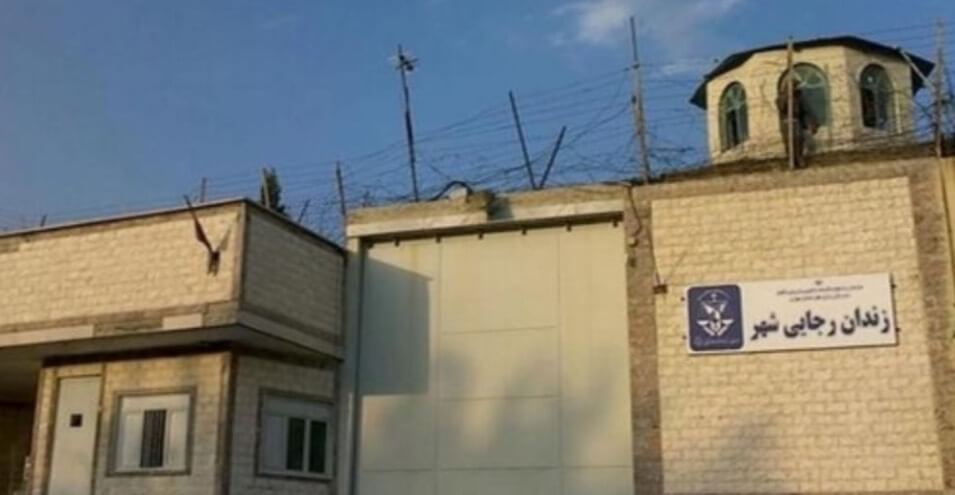
A group of political and ideological prisoners at Rajaei Shahr Prison released an open letter to international bodies and human rights organizations expressing concern about the spread of the virus in the prison.
In this open letter, a copy of which was sent to Voice of America on Tuesday, March 3, by an informed source, it is stated that at least 100 political and ideological prisoners in Rajaei Shahr Prison in Karaj, while expressing severe concern about sanitary conditions inside the prison, have written an open letter to international bodies and human rights organizations, particularly the World Health Organization, demanding prevention of a potential deadly catastrophe due to the spread of coronavirus inside the prison.
These prisoners, who have described the conditions inside Rajaei Shahr Prison as dire by observing flu symptoms in many inmates, state that movement and traffic continue as before, and guards who are in contact with the outside and could transmit the virus enter prison halls without wearing gloves or masks. Nevertheless, the prison organization, management, and officials of this prison have taken no measures to prevent the spread of this virus and related diseases inside the prisons.
Referring to the inappropriate treatment of health officials toward individuals showing flu-like symptoms, they say that requests by these prisoners for masks, gloves, disinfectant gels, and alcohol have repeatedly been rejected by prison officials, and to date, their requests for providing sanitary facilities such as soap and detergents, which are insufficiently available inside the prison, have been ignored.
On Wednesday, February 26, Ebrahim Raisi, Head of the Judiciary, issued a new circular ordering limited furloughs for a group of sentenced inmates while observing certain conditions. The circular stated in one of its provisions that political prisoners convicted on charges of “action against national security” with sentences exceeding 5 years are exempted from being sent on furlough. This is while most political prisoners charged with the aforementioned crime have sentences exceeding 5 years.
Nevertheless, these prisoners stated in their open letter that while some prisoners, some of whom have only a few months remaining of their sentences, have requested furlough and temporary release from prison authorities, no response has been given to their requests.
Previously, Voice of America reported, citing social media networks and human rights news agencies, that some prisoners, including Hengameh Shahidi, an imprisoned journalist, were transferred to Evin Prison’s medical ward on an emergency basis following the deterioration of her condition and the emergence of coronavirus symptoms. According to available information, Amir Hossein Moradi, one of the detainees from November protests, was also transferred to an unknown location in Feshafuyeh Prison after contracting coronavirus, and some of his cellmates were transferred from Tehran Central Prison to Yaft Abad Hospital.
The U.S. State Department has repeatedly condemned violent treatments and widespread suppression of protesters, continuous violations of the rights of Iranian citizens, and ongoing cover-ups by the ruling regime.
Mike Pompeo on Friday, March 1, at a meeting of the House Foreign Affairs Committee, given the history of cover-ups by Islamic Republic officials, said that Iran’s regime is unwilling to provide information about the spread of coronavirus, and he is concerned they may be hiding important information.
This is the second time the U.S. Secretary of State has expressed concern about possible cover-up by Iranian officials. Mike Pompeo had warned on Tuesday that America is concerned about cover-ups by Islamic Republic officials regarding the spread of coronavirus.
The United States announced on Thursday that it has issued exemptions from Iran sanctions and allows the Central Bank of Iran to conduct monetary transfers for sending some humanitarian services.
Source: Voice of America