Critical Blood Reserve Situation in Iran and “Concerning Days” Ahead
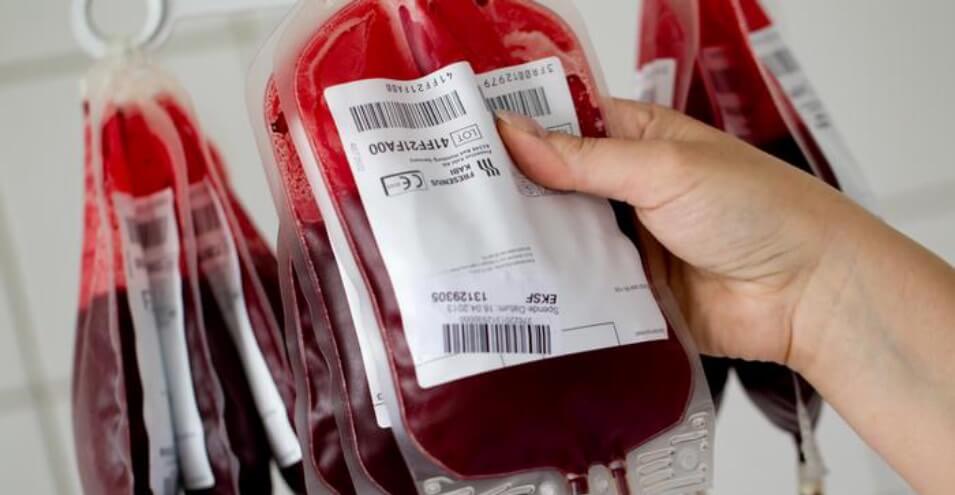
The CEO of Iran’s Blood Transfusion Organization reports a critical blood reserve situation in the country, as Ramadan approaches. Health and medical officials in Iran have called on people to donate blood and on COVID-19 recovered patients to donate plasma.
Ahmad Hamti, a member of the Health and Treatment Commission of the Islamic Consultative Assembly, referring to blood shortages in hospitals, has asked the public to visit blood transfusion centers to donate blood.
Hamti, in an interview with ISNA news agency, assured the public that blood transfusion centers “have standard facilities alongside compliance with health protocols” and “there will be no risk for donors in terms of contracting coronavirus.”
The Health and Treatment Commission member, emphasizing the current blood shortage and the necessity of informing the public about the absence of danger for donors, has requested media organizations such as IRIB to prepare reports aimed at reassuring and encouraging people to donate blood.
35 Percent Decline in Blood Donors
Following the outbreak of the coronavirus epidemic, blood donation statistics in Iran showed a significant decline. Many donors refrained from visiting blood transfusion centers due to fears of contracting coronavirus at these facilities.
Bashir Haji Baighi, spokesperson for Iran’s Blood Transfusion Organization, announced in mid-Farvardin that in Esfand 98, the organization experienced an average 35 percent decline in visitors and blood donors, which “reached 40 percent in Alborz, Tehran, Ilam, West Azerbaijan, and East Azerbaijan provinces.”
Dr. Peyman Eshqi, CEO of the Blood Transfusion Organization, in an interview with Iran newspaper (31 Farvardin), referring to “the country’s blood decline over the past three years due to a declining trend in blood donations,” references the past year and says: “Overall, in year 98, due to multiple events that occurred and were unrelated to public health, we experienced a four percent decline in blood donations.” From Esfand month onwards, fear of coronavirus transmission accelerated this declining trend.
“We Did Not Cross the Crisis Line”
The CEO of the Blood Transfusion Organization considers Iran’s current blood reserves to be at an “acceptable” level and states: “When the country’s blood reserves fall below three days, that means crisis. We came close to crisis, but due to implementing protocols, preparing blood transfusion centers to receive donors, educating the public, and our advertising approach, we did not cross the crisis line.”
This responsible manager has referenced the measures and success of public campaigns that were not contradictory to the Health Ministry’s protocols regarding calling on people to stay home, and says: “The launch of public campaigns and the participation of artists, athletes, and Basij members helped us avoid entering crisis. When blood reserves reached around four days, the public campaigns proved effective, and now the country’s blood reserves are at an acceptable level.”
“Concerning Days” Lie Ahead
Nevertheless, the CEO of the Blood Transfusion Organization describes the coming days with the arrival of Ramadan as “concerning.” He cites the decline in blood donations during the first ten days of Ramadan and the Health Ministry’s order to resume “elective” surgeries (non-emergency surgeries that can be planned in advance) from the first of Ordibehesht month as reasons for his concerns about blood resource shortages.
Admission of elective patients had been prohibited in public hospitals from 10 Esfand. Eshqi says: “People should know that the illnesses of cancer patients, thalassemia and hemophilia patients, and chemotherapy do not stop because of coronavirus and Ramadan, and they need blood.”
COVID-19 Recovered Patients Help Patients Through Plasma Donation
On the other hand, the CEO of the Blood Transfusion Organization has asked COVID-19 recovered patients to help meet the therapeutic needs of coronavirus patients by appearing at plasma collection centers. According to the Blood Transfusion Organization, the target audience of this call is individuals who have recovered at least a month ago. Specialists say that the antibodies of these individuals help treat coronavirus patients.
Iranian news agencies recently reported the beginning of clinical trials of “plasma therapy” for COVID-19 patients in Tehran and Qom. Officials of this project say it has been successful. In mid-Farvardin, the commander of coronavirus response operations in Tehran asked COVID-19 recovered patients to donate their blood plasma one month after recovery in order to save other patients.