Concerns Over Repetition of Kahrizak Atrocities in Recent Protests; Fashafuyeh Prison Lacks “Necessary Facilities” for “This Number of Detainees”
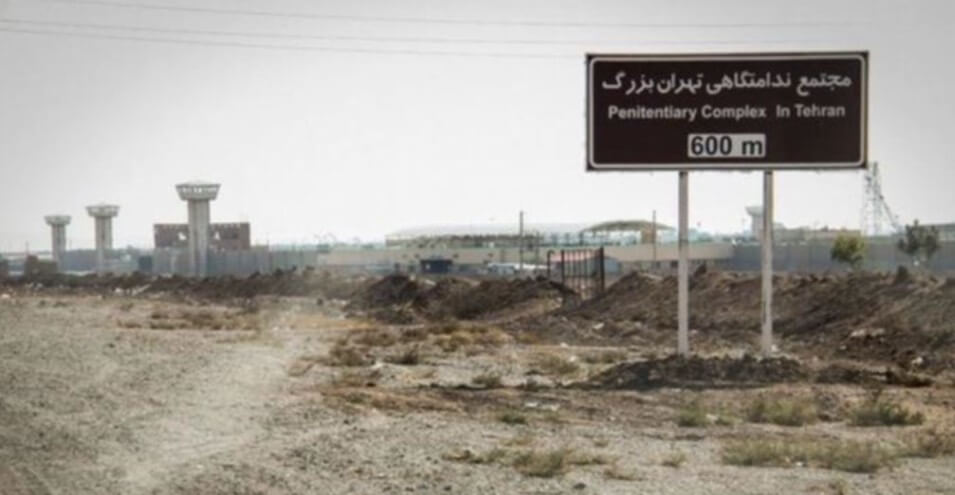
While unofficial reports indicate a high number of detainees in recent protests in Iran, the head of the Islamic Council of Rey district has also warned about the situation at Tehran’s central prison, known as Fashafuyeh Prison, and the large number of detainees held there.
Hasan Khalil Abadi, head of the Islamic Council of Rey district, said on Monday, November 25, that Fashafuyeh Prison lacks “necessary facilities” and that housing “this number of detainees in this location is difficult.”
Following recent protests, the Islamic Republic has conducted widespread arrests in various cities, although there are no exact figures on the number of detainees. Only some media outlets close to the Revolutionary Guards reported that the number of detainees exceeded one thousand people.
The warning from the head of the Islamic Council of Rey district about Fashafuyeh Prison’s situation comes at a time when the dire conditions of Islamic Republic prisons and detention centers have repeatedly made headlines and drawn international criticism.
The incident at Kahrizak detention center during the events following the 2009 presidential election, in which at least three detainees were killed and many more were tortured, and the suspicious death of Sina Qanbari, a detainee in December 2016 protests, at Evin Prison quarantine are examples of this. During December protests, human rights activists had warned of repeating a “second Kahrizak.”
However, there have been numerous previous reports about inappropriate conditions at Fashafuyeh Prison. Rasoul Hoveida, a physiotherapist and political prisoner, previously released an audio file last year about deaths of prisoners held in Fashafuyeh due to poor hygiene and non-standard medical conditions.
AlirezA Shirmohammadi, a political prisoner who was killed in Fashafuyeh Prison in June of this year, wrote in a joint letter with Barzan Mohammadi, another political prisoner, that basic and elementary facilities do not exist in Fashafuyeh Prison and many prisoners “have lost their lives due to the absence of these basic facilities.”
Nevertheless, Mohammad Javad Montazeri, Iran’s chief prosecutor, recently claimed that “all these detainees” in Iran’s recent protests “have expressed satisfaction with their prison conditions and detention.” This statement contradicts the description of Fashafuyeh Prison’s conditions provided by prisoners themselves and even the head of Rey district council.
In recent weeks, Iran has witnessed widespread public protests against the Islamic Republic. One day after the protests began, the Islamic Republic cut off the internet almost completely on Saturday night, November 16, and Morgan Ortagus, spokeswoman for the U.S. Department of State, responded to the Iranian regime’s action saying: “We condemn efforts to shut down the internet. Let them [the people] have their say!”
On Tuesday, November 19, Amnesty International announced that at least 115 people had been killed by Iranian Islamic Republic forces in recent protests in Iran.
President Donald Trump, on Thursday, November 21, made his first public statement about the protests of the Iranian people, saying: Iran has become so unstable that the regime has shut down the entire internet system so that the good people of Iran cannot talk about the severe violence taking place within that country.
The White House, on Sunday evening, November 17, issued a statement in support of protesters in Iran, announcing that the United States condemns the use of deadly force and severe restrictions on communications against demonstrators.
Mike Pompeo, U.S. Secretary of State, in his first response to widespread protests in Iran, on Saturday, November 16, wrote to the Iranian people that the United States stands with you.
America says the Islamic Republic spends its national wealth, instead of supporting its people, on backing terrorist groups and destabilizing the Middle East.
The United States has also repeatedly condemned institutionalized financial corruption and the plundering of Iran’s God-given resources by regime affiliates and has identified them as among the main causes of Iran’s economic and financial problems. Recently, for example, Mike Pompeo, U.S. Secretary of State, had said in several tweets about Islamic Republic officials that instead of helping people, they have been involved in corruption.
Source: Voice of America