Continued Detention of Protesters in Iran; 250 Arrested in Kermanshah

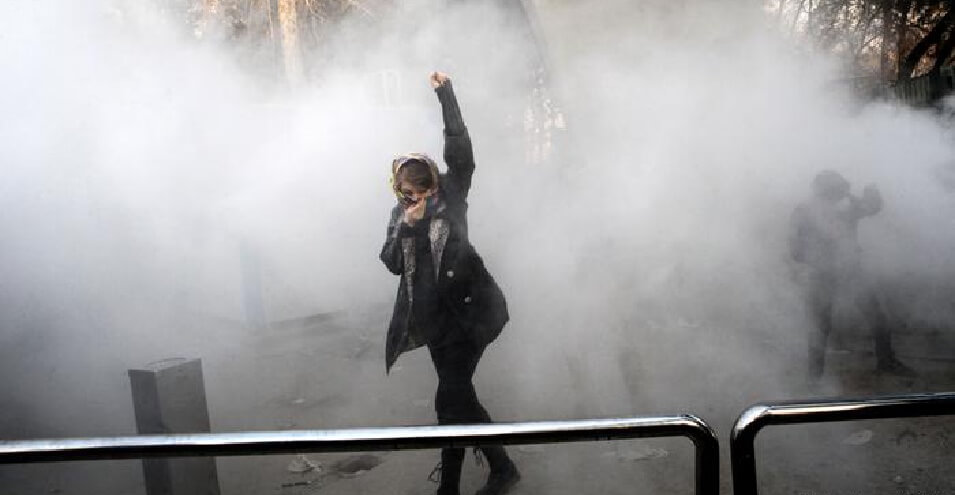
The commander of the Kermanshah police announced the arrest of over 250 protesters in the province. This comes as the judiciary claimed to have released the “majority” of detainees. In recent days, dozens of people have been arrested in various parts of Iran as well.
Despite more than a month passing since the start of recent protests in Iran, the arrest of protesters continues. Ali Akbar Javidan, commander of the Kermanshah police force, announced the arrest of over 250 individuals whom he described as “ringleaders of the November unrest.”
This police commander said on Wednesday, December 27 (December 18): “So far, over 250 ringleaders of last month’s unrest have been arrested through the information available to the Kermanshah public security police.”
Government officials and state-aligned media refer to the protests of late November and the December street demonstrations as “riots,” and also call the widespread protests against the 2009 presidential election results “sedition.”
According to the state news agency IRNA, the Kermanshah police commander claimed: “These individuals engaged in insecurity and rioting in various cities of the province and incited many other youths to street violence and clashes.”
This Iranian official stated the age of the detainees as “between 20 and 35 years” and said that “the vast majority” of them expressed “remorse and repentance” after their arrest.
This official announced the arrest of over 250 protesters in Kermanshah province while the Iranian judiciary’s spokesman had claimed the previous day that the “majority” of detainees from late November protests had been released.
Javidan accused the detainees of “mischief, inciting people to riot and cause unrest, destroying public property and damaging government buildings, breaking windows of emergency and private vehicles, and attacking police officers and Basij forces.”
Serious Charges of “Links to Terrorist Groups and Illegal Weapons”
The Kermanshah police commander also mentioned “propaganda against the sacred system of the Islamic Republic in cyberspace and hostile networks” as charges against “some of the arrested individuals” and said that “several of them have also confessed to connections with terrorist groups and enemies of the revolution.”
This police commander added: “Additionally, during searches of the hideouts of riot leaders in Kermanshah province, over 30 firearms along with ammunition were discovered.”
Ali Akbar Javidan attributed the recent protests to the “media atmosphere created by enemies of the system and revolution” and said that police had “forcefully dealt with riot and insecurity agents.”
Despite public demands for disclosure of the death toll and number of detainees from recent protests, Islamic Republic officials have not complied, while simultaneously rejecting figures provided by independent and human rights sources.
In its latest report on the recent protests, Amnesty International cited at least 304 deaths in these events and, noting the detention of thousands including children and teenagers, warned of the danger of their torture amid lack of information. This human rights organization, like Michelle Bachelet, UN High Commissioner for Human Rights, called for an “independent and impartial investigation” into the deaths from recent protests in Iran.
Arrest of a Writer in Kermanshah
Simultaneously with the announcement of the arrest of hundreds in Kermanshah, the Iranian Writers Association, noting the “acceleration” of arrests of social and cultural activists, reported the arrest of a writer in the city. According to the Iranian Writers Association, Abbas Jalilian was arrested on December 15 and transferred to an unknown location.
The Telegram channel of the Iranian Writers Association, noting Mr. Jalilian’s illness and poor physical condition, announced that security agents searched his home and confiscated his personal belongings.
Jalilian, author of a Kurdish-Persian dictionary and writer of several novels and short stories in Kurdish, was, according to the Iranian Writers Association, “sentenced to 15 months in prison in 2009 on the baseless charge of ‘cooperation with hostile governments,’ and after the sentence was upheld in appellate court, was transferred to Diesel Abad prison in Kermanshah to serve his sentence.”
Continued Detention of Protesters in Other Cities
Despite promises by Iranian judicial officials to expedite proceedings for detainees from recent events, published reports and news indicate the continued arrest of protesters. In this context, security and police officials reported the arrest of two people in Fardis Karaj, 10 protesters in Kazerun and Meisam in Fars province, and 136 people in Khuzestan province on charges of “shooting and possessing illegal weapons” in just the past few days.
Islamic Republic officials have not only remained silent on the death toll from recent protests but also refuse to provide figures on the number of detainees. Among government officials, only Hossein Naghavi Hosseini, spokesman for the National Security Committee of the Islamic Consultative Assembly, has spoken on this matter, announcing the number of detainees as “approximately seven thousand people.”
The protests, which began following the tripling of gasoline prices on November 15 across Iran, quickly took on a political character and targeted the entire Islamic Republic system. Iranian security and police forces, under internet blackouts and in the absence of free press, suppressed the protests with intensity.
Among announcing “at least 304” deaths in Iran’s recent protests, Amnesty International has emphasized that the actual number of victims could be higher.
Source: DW