How to Bypass Internet Blackout in Iran?
Internet connection in Iran is cut off. What escape routes exist from this situation and what options are available for reconnecting to the internet? Mehdi Yahyanejad, an internet technology expert, answered Deutsche Welle’s questions on this subject.
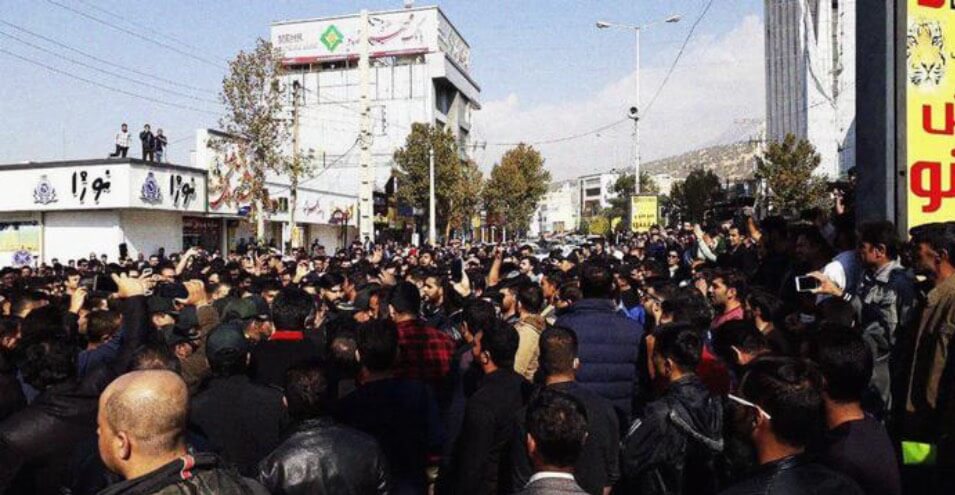
Five days have passed since the start of protests against gasoline price increases in Iran. Internet was disconnected on the second day of protests at 6 p.m. on Saturday, November 15, following a decision by the National Security Council (SNSC).
According to a report by “NetBlocks,” an organization monitoring internet traffic worldwide, internet in Iran on the fifth day of protests was available at a capacity below four percent.
There is no doubt that the government has cut off the internet to suppress the protests and prevent protesters from communicating with each other and with the outside world. Gholam Hossein Esmaili, spokesman for the judiciary, stated that the internet should have been cut off earlier.
On the other hand, internet technology experts are looking for ways to circumvent this situation. But what options exist?
Using SIM Cards from Neighboring Countries
Mehdi Yahyanejad, an internet technology expert and developer of “Toosheh” technology, explained different ways to bypass the internet blackout in an interview with Deutsche Welle.
Yahyanejad said: “The best ways for border regions are to use SIM cards from neighboring countries to work around this situation. Those in other locations who are technically well-versed have found ways, which I prefer not to discuss so that those methods don’t get blocked. However, there currently is no method that all people can use.”
Data Transfer Through the Toosheh Channel
Yahyanejad, developer of Toosheh technology, continued: “This technology allows one-way reception of digital information and content through satellite, though this is only possible for those who have satellite television.”
The Toosheh research and development project started work about seven years ago and began operating in Iran approximately three years ago. This project allows data to be transmitted through receivers of Toosheh channel programs and used on mobile phones or laptops.
According to Mehdi Yahyanejad, the Toosheh project is a digital information distribution platform that can receive up to eight gigabytes of content. This method, due to bypassing the internet and when internet is cut off, may be the only practical way to receive internet files.
Using Modems
Yahyanejad also considers using modems as one of the ways to reconnect to the internet. However, he explained that those who still have modems in their homes can use them. This expert noted that newer computers and laptops no longer have modems, and if people still have modems available and can find numbers, they can use these modems.
He further explained that data transfer speeds through modems are limited and international calls are very expensive. Since it uses telephone lines, the cost is high, and ultimately using modems is not a solution that masses of people can use.
How Long Will the Internet Blackout Continue?
In this expert’s view, the internet blackout in Iran will continue for now. He emphasized: “As long as the government feels it is in danger and needs to suppress the people, it will continue the internet blackout. Because they realized that the internet helps people find each other and plan better for presence in the streets. Also, the internet helps send videos and photos from Iran to outside Iran so that news from Iran receives better media coverage and protests gain more international support.”
According to Yahyanejad, by cutting off the internet, the government has effectively succeeded to some extent in preventing those international supports, and the support so far has been somewhat limited to America.
Economic Consequences of Internet Blackout
Mehdi Yahyanejad, internet technology expert, also referred to the economic consequences of the internet blackout at the end of his remarks. In his view, the internet blackout causes serious damage to the country’s economy and is harmful for both private and government companies in data and money exchange.
According to this expert, at a time when the government is in a poor economic situation, cutting off internet communication with the outside world prevents companies engaged in import and export from being able to import or export goods.