Corona and Political Prisoners | From Concerns About Hongame Shahidi and Nazanin Zaghari’s Possible Infection to Family Protests
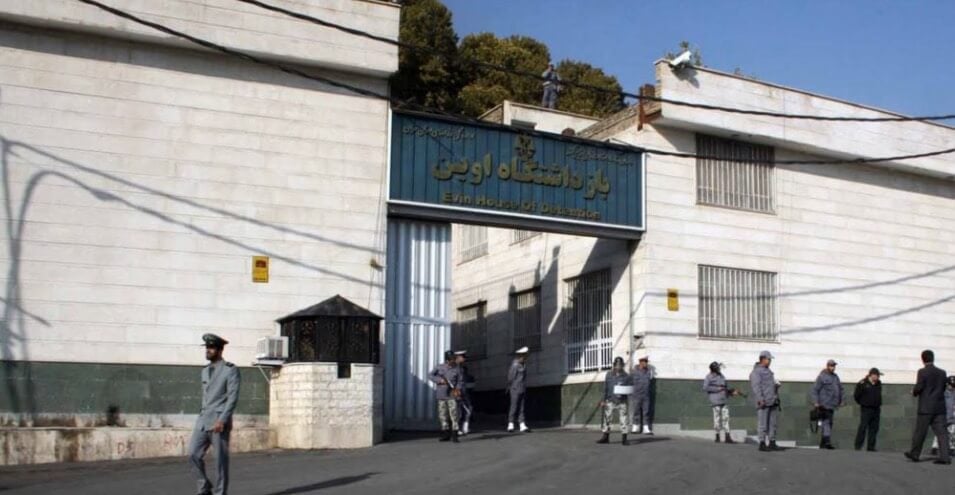
Following the widespread outbreak of coronavirus in Iran, news published on social networks and human rights news agencies has indicated that some Iranian prisons have been infected with this virus and increased the risk of prisoners contracting it.
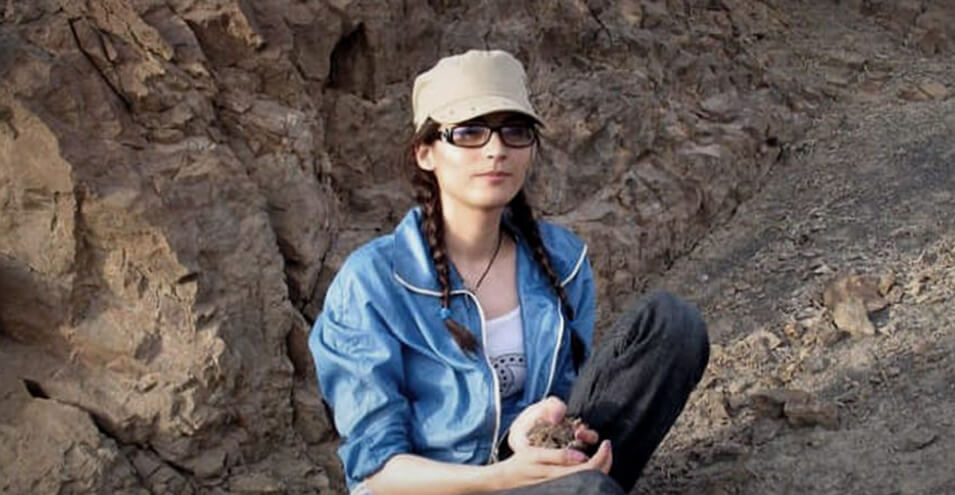
News of the coronavirus outbreak in Iranian prisons is being published at a time when the website “Human Rights in Iran” reported that Hongame Shahidi, a journalist imprisoned in Evin Prison, was transferred to Evin Prison’s clinic on Saturday, the 10th of Esfand, following the deterioration of her condition and the emergence of coronavirus symptoms on an emergency basis.
According to this report, the imprisoned journalist was transferred to the prison clinic while showing symptoms such as dry cough, shortness of breath, and severe pain in body parts; symptoms that each increase the possibility of her contracting the coronavirus.
On the other hand, news published on social networks indicates that Amirhossein Moradi, one of those arrested during the November protests, has contracted the virus in Fashafuyeh Prison and has been transferred to an unknown location. The Telegram channel of the Center for Human Rights Defenders reported on Saturday, the 10th of Esfand, that the coronavirus test of this political prisoner came back positive, and as a result, several of his cellmates were transferred from Greater Tehran Prison to Yaft Abad Hospital.
Previously, Voice of America, citing The Guardian, reported that Nazanin Zaghari, a British-Iranian citizen imprisoned in Iran, had informed her family that she had probably contracted coronavirus. Ms. Zaghari said she is in very poor condition and has not improved at all after five days. According to her, a number of other prisoners also show similar symptoms.
The Telegram channel of Nasrin Sotoudeh, a lawyer imprisoned in Iran, also reported, citing Richard Ratcliffe, Nazanin Zaghari’s husband, that in a telephone conversation he had with Nazanin Zaghari in Evin Prison, he suspects that she has contracted the coronavirus and has asked the British government to contact the Iranian government to conduct a coronavirus test for this political prisoner.
Concerns of Political Prisoners’ Families
On Wednesday, the 7th of Esfand, Ebrahim Raisi, Head of the Judiciary, issued a new circular ordering limited furlough for a group of prisoners sentenced to imprisonment while observing certain conditions; a circular in which one of its provisions states that political prisoners convicted on charges of “actions against national security” with sentences exceeding 5 years are excluded from being granted furlough; this is while most political prisoners with the aforementioned charges have sentences exceeding 5 years.
Nevertheless, it appears that a large portion of political prisoners are unable to benefit from this furlough, and this issue has caused protests from political prisoners and their families.
On Sunday, the 11th of Esfand, a group of families of political prisoners and prisoners in Ward 8 of Evin Prison protested against prosecutorial obstruction in granting furlough to prisoners.
According to the Free Union of Workers, on Saturday and Sunday, the 10th and 11th of Esfand, families of political prisoners visited the prosecutor’s office overseeing the prison to follow up on prisoner furloughs and protested the non-implementation of the Judiciary’s circular four days after its issuance to grant furloughs to prisoners, but have not received a satisfactory response so far.
Now, with the widespread outbreak of this virus, the concerns of prisoners’ families regarding the condition of prisoners have increased, and families of political prisoners, while expressing serious concern for the health of their loved ones, intend to visit the prosecutor’s office overseeing the prison daily and are asking other prisoners’ families to join them.
The protests of political prisoners’ families are not limited to Evin Prison or Greater Tehran Prison, but according to news published on social networks, following the spread of coronavirus in Iranian prisons, families of some prisoners in Urmia Central Prison gathered in front of that prison on Monday, the 12th of Esfand, and demanded the immediate release of their children.
The Hengaw Human Rights Network also reported on Monday, the 12th of Esfand, that a group of political and ideological prisoners in Urmia Central Prison, by publishing a statement, have called for the implementation of the new circular issued by the Head of the Judiciary. These prisoners say that despite the transfer of at least 6 prisoners due to contracting the coronavirus to medical centers outside the prison, unfortunately some provincial officials and foremost among them the supervising judge (prison supervisor prosecutor) have implemented clear obstruction tactics using “self-made” laws and by adding notes and articles to the issued circular.
The Free Union of Workers also, in recent days, by publishing a statement regarding the spread of coronavirus, demanded the immediate release or granting of furlough until the end of the crisis period for prisoners held in Iranian prisons.
In this statement, referring to the fact that government officials have concealed information about the official statistics of the spread of this virus in Iran, it stated that some prisoners in contact with their families have announced that no health measures are being observed in prisons, and not only has the prison environment not been disinfected, but health materials have not been provided to prisoners, and even in shops inside the prison there are no health and disinfectant materials available for purchase.
The U.S. State Department has repeatedly condemned, in various cases, violent crackdowns and widespread suppression of protesters, repeated and ongoing violations of Iranian citizens’ rights, and continuous cover-ups by the regime ruling that country.
On Friday, the 9th of Esfand, Mike Pompeo, in a meeting of the House Foreign Affairs Committee, given the history of cover-ups by Islamic Republic officials, said that the Iranian regime does not want to disclose information about the spread of coronavirus, and I am concerned that they have hidden important information.
This is the second time the U.S. Secretary of State has expressed concern about possible cover-ups by Iranian officials. Mike Pompeo had warned on Tuesday that America is concerned about cover-ups by Islamic Republic officials regarding the spread of coronavirus.
The United States announced on Thursday that it has issued exemptions from Iran sanctions and allows the Central Bank of Iran to be authorized to conduct financial transfers to send some humanitarian services.
Source: Voice of America