Addiction Crisis Among Student Population is Serious
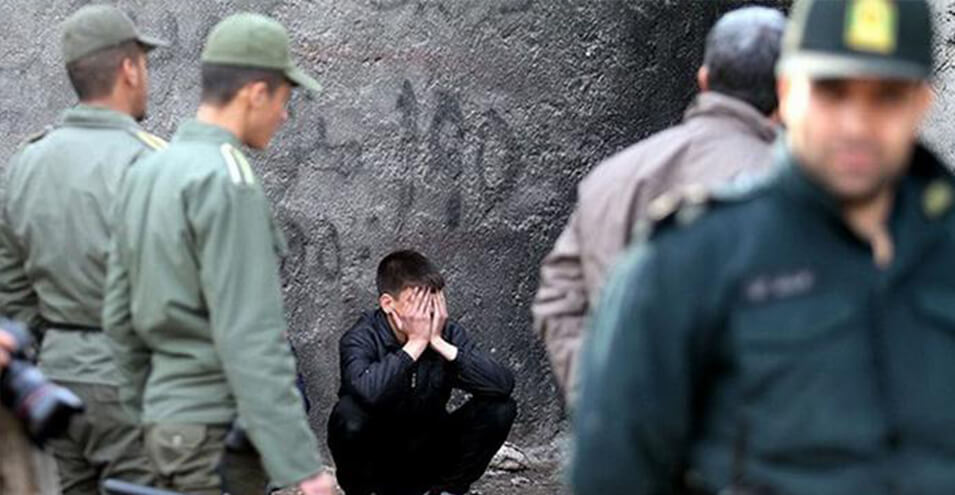
The deputy of the Welfare Organization says education is where we have access to 95 percent of children, and all government agencies must take a preventive approach in protecting students regarding drugs, depression, suicide, and psychological and behavioral disorders.
Social welfare and law enforcement deputies acknowledged the growth of social harms among the student population in a television program and reminded of the necessity for coordination to detect and prevent addiction, conflict, and behavioral and psychological disorders in this group.
Habibollah Massoudi Fareed, deputy of the Iranian Welfare Organization, found a gap in preventive measures and life skills among the student population, saying that a person who commits suicide has shown signs such as depression and anxiety months earlier; this also applies to addiction. “We must monitor signs of harm; for example, if we have 15 addiction risk factors that are increasing in school age, we must be alert and intervene before harm occurs.”
Ibrahim Karimi, the deputy social affairs director of NAJA, also announced that if relevant agencies do not control social harms, “their overflow leads to negative and police matters that are not very pleasant.”
Massoudi Fareed reported a significant shortage of counselors and health educators in schools and has called for issuing permits for counseling staff in education. He also announced that according to the “Nemad” protocol, the welfare organization’s social emergency centers are connected with education so that if a student needs intervention, follow-ups are conducted.
The Nemad plan (Student Social Care Monitoring System) is a joint initiative of Welfare, Health Ministry, Police, and the Judicial Authority that has been implemented since 2017 to prevent risky behaviors, crime, and social harm among students “based on screening, psycho-social support, and effective intervention.”
Welfare officials have repeatedly emphasized that realities resulting from changes in lifestyles and environmental developments have deepened social harms. The deputy of this organization says education and school are where we have access to 95 percent of children, and it is an opportunity that all agencies must use and help education by pursuing preventive approaches.
Massoudi Fareed warned that epidemiological studies in various agencies begin from ages 15 and above, while 50 percent of psychological disorders begin before age 14.
“The situation is dangerous”
The deputy social affairs director of NAJA announced in the television program “Parsgoo” that social harms differ in cities, provinces, and different educational levels: “The age of addiction is dropping somewhat. The age of recreational cigarette use is 14 to 15 years old, but if it becomes addiction, it reaches 17 to 18 years. Despite measures and efforts made, we have not yet reached the right and safe point, and sometimes arrested students are at risk.”
The deputy social affairs director of NAJA stated that police, in monitoring school problems, have extracted six issues, one of which is conflict and clashes. He says efforts are being made so that a harm does not lead to crime and post-crime phases: “Harms are growing but not proportional to society and are more controlled. This growth is slow, not so severe as to create an emergency situation. Of course, the situation is dangerous because we do not expect children and adolescents to enter this field.”
Commander Karimi rejected the statistic that 48 percent of boys in Tehran schools smoke and said: “This statistic means that out of every two students, one must be a smoker, while we don’t see such a thing, and cigarette consumption should be at a much lower level.”
There is no official statistic on the rate of addiction among students in Iran. Mohammad Bathaei, the then education minister in April 2019, did not deny the use of drugs and psychoactive substances in schools but told news agencies that he intentionally does not announce addiction statistics in schools.
Saeed Mayedfar, a sociologist, recently wrote in an article in the newspaper “Tosseh Irani” calling student addiction a serious crisis and wrote: “Today the country faces economic poverty that will gradually lead to cultural poverty… I ask all officials to take student addiction seriously, and their concern should not be the publication of student addiction statistics but rather how drugs are made available to students in all the main and secondary areas of the city in minimum time.”
This sociologist adds that if study and planning are conducted to face crisis acceptance, without doubt the addiction problem is solvable.
Source: DW