After Judiciary Chief, Iran’s Deputy Prosecutor General Also Blames Workers: They Are Rioters!

Saeed Omrani, Deputy Prosecutor General of Iran for combating drugs and organized crime, said that “elements and factors” during the Haft Tappeh sugarcane workers’ protests “had received money and wanted to incite riots there by any means possible.”
According to reports from some Iranian media outlets, the Deputy Prosecutor General stated that these individuals had been identified by “judicial, police, and security officials,” claiming that the problems at Haft Tappeh factory and its workers have been resolved.
These claims come just weeks after revelations by Maziar Ebrahimi, a former suspect in the assassination of Iranian nuclear scientists, that such accusations are baseless and that all confessions obtained under torture are fabricated, with the reverberations of his statements continuing in domestic and international circles.
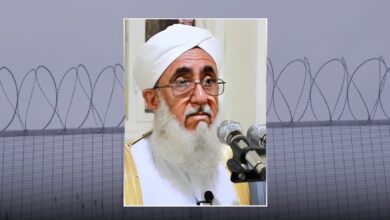
A few days ago, Ibrahim Raisi, Iran’s Judiciary Chief, had also said that some people “under the guise of labor issues, pursue other objectives,” and noting that “such actions should not be attributed to workers,” added that workers themselves “must stand against those who taint the atmosphere of labor protests.”
These statements came as nine workers from Haft Tappeh sugarcane company were sentenced this week to eight months imprisonment and 30 lashes.
Earlier, the Haft Tappeh Workers’ Syndicate reported that their charge was “illegal gathering” for demanding “management change and the freedom of Ismail Bakhshi.”
Previously, seven other Haft Tappeh workers were sentenced in Shush court to eight months suspended imprisonment and 20 lashes.
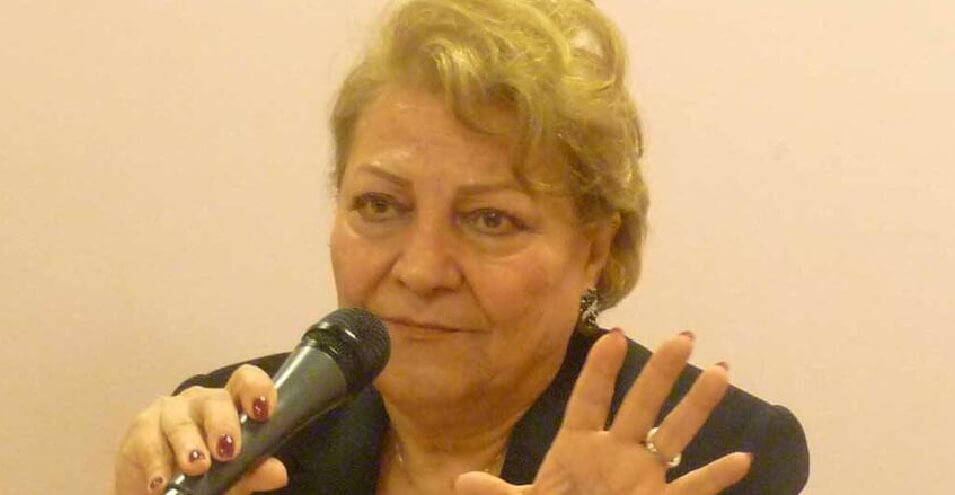
Currently, Ismail Bakhshi, representative of Haft Tappeh workers, is in detention. Civil activist Sepideh Qolian, Amirhossein Mohammadifard, editor of Gam publication, Asal Mohammadi, Amir Amirgoli, and Sanaz Alahyari, members of the publication’s editorial board, are in detention in connection with Haft Tappeh workers’ protests.
“Haft Tappeh sugarcane” workers went on strike starting November 26 in protest of non-payment of over three months of back wages. The protesters believed that the private sector employer was incapable of managing the factory and that the workers’ council could manage the Haft Tappeh complex better than the employer.
However, security forces responded with violent confrontation to these labor protests. While months have passed since these protests, the workers’ demands have not been met and arrests and security crackdowns on labor activists and Haft Tappeh workers continue.
The Islamic Republic’s security and judicial measures against worker protests have prompted human rights organizations to repeatedly express concern about the suppression of protesters and workers in Iran.
The United States has also repeatedly condemned Iran’s security response to workers. The U.S. State Department said recently that with the money the Islamic Republic has spent in Syria, it could have paid workers’ rights in Iran.
Source: Voice of America