Prosecutor Who Issued Telegram Filter Order Arrested on Corruption Charges
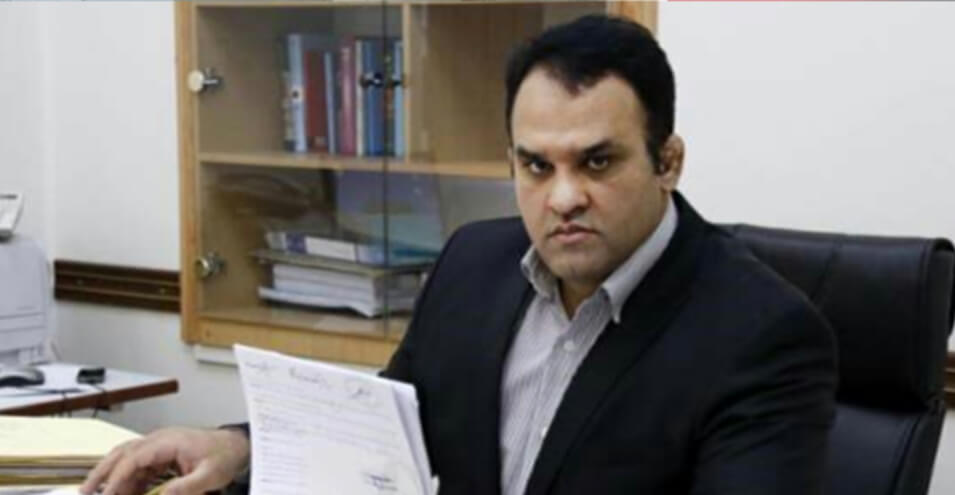
Iranian media outlets reported the arrest of a prosecutor who had issued the order to filter Telegram, on corruption charges.
According to these reports, an individual named “B.Q”, a former prosecutor of the Media and Government Employees Court “in line with combating corruption within the judiciary,” was arrested last Friday.
Gholamhossein Esmaili, spokesman for the judiciary, also confirmed the news on Tuesday, September 9, stating that “two judges were arrested, one active judge and one retired judge who had recently retired.”
The identity of the second arrested person has not yet been revealed by media, but one of these judges has been identified in some media outlets and social networks as “Bijan Ghasemzadeh.” He was a prosecutor of the second branch of the Media and Culture Court and handled many controversial cases, including the filtering of Telegram which was carried out under his order, and managers of Telegram channels were arrested under his order before the 2017 elections.
This former prosecutor of the Media and Culture Court was acquitted in March 2019 following a complaint by a lawyer regarding “this prosecutor acting against the law” concerning the filtering of Telegram.
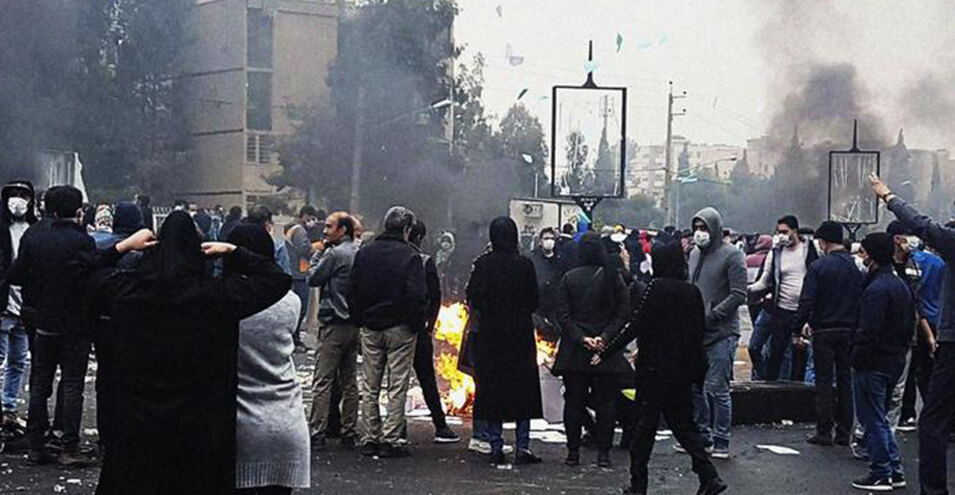
Following widespread protests in December 2016, Telegram was filtered by Islamic Republic authorities under Ghasemzadeh’s order in April 2017.
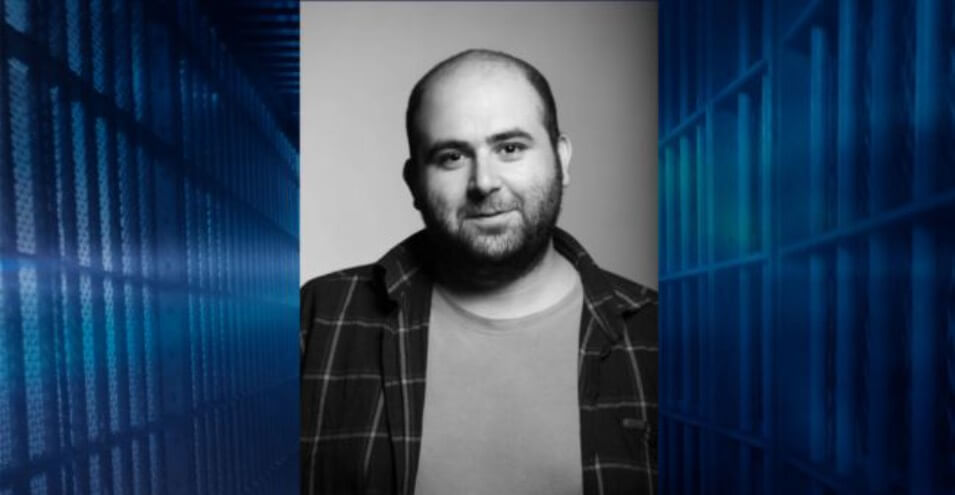
Amirhassan Moghaddam, known as Amir Tatlou, was also arrested in 2015 “due to insulting” Bijan Ghasemzadeh, who was the prosecutor of his case.
Arrests within the judiciary on corruption charges are not unprecedented. In July of this year, after the name of Nategh Nuri’s office chief, the former head of the Islamic Consultative Assembly, was mentioned in the Capital Bank file, Akbar Tabari, executive deputy to Sadegh Larijani, former head of the judiciary, was arrested on corruption charges.
The demand for trial of Sadegh Larijani, former head of the judiciary, is another matter that emerged after his removal from this position, with the renewal of the land grabbing issue and the revelation of some hidden aspects of villa development in Lavasan city in Tehran province.
Previously, Ahmad Tavakkoli, a former parliament representative, announced that the Islamic Republic is afflicted with “systematic corruption.”
The United States has repeatedly condemned institutionalized financial corruption and the plundering of Iran’s natural resources by affiliates of the ruling regime, considering them among the main causes of Iran’s economic and financial problems. Recently, Mike Pompeo, the U.S. Secretary of State, tweeted about Islamic Republic officials, saying that instead of helping the people, they have become engaged in corruption.
Source: Voice of America