Mahmoud Sadeghi on Meeting with Interior Minister: We Asked Why They Shot People in the Head, They Said They Also Shot at the Legs
Mahmoud Sadeghi, a member of parliament, has provided new details from a meeting between a parliamentary commission and the Interior Minister regarding the November protests in Iran.
Reports indicate that Abdolreza Rahmani Fazli appeared before the parliament’s Internal Affairs and Councils Commission last week to respond to questions from several representatives who submitted an impeachment motion. At this meeting, security and political deputies of the Interior Ministry were present, along with the representatives who requested the impeachment hearing.
Mahmoud Sadeghi, in an interview with the “Emtedad” website published on Monday, December 16, said about this meeting: “In the same session, one of the representatives from the districts announced that two people in my electoral district (Karaj and Shahr-e Qods area) died from gunshot wounds to the head, and asked Rahmani Fazli whether it was not possible to shoot at least at the legs or below the waist that such shots were fired? The Interior Minister responded by saying, ‘Well! Shots at the legs were also fired.'”
This parliament member says the Interior Minister’s response caused “astonishment” among the representatives.
Mahmoud Sadeghi continued: “The representatives were amazed that Mr. Minister raised such an issue so casually. Would such an answer be a convincing justification? It is said that we contained this unrest within 48 hours, but my point is whether containing it means allowing this amount of shooting and leaving behind all these deaths as an achievement?”
He added: “Containment means that you first allow people to express their views. And those were protesters who took a stance and reacted in response to a highly unprofessional and surprising decision.”
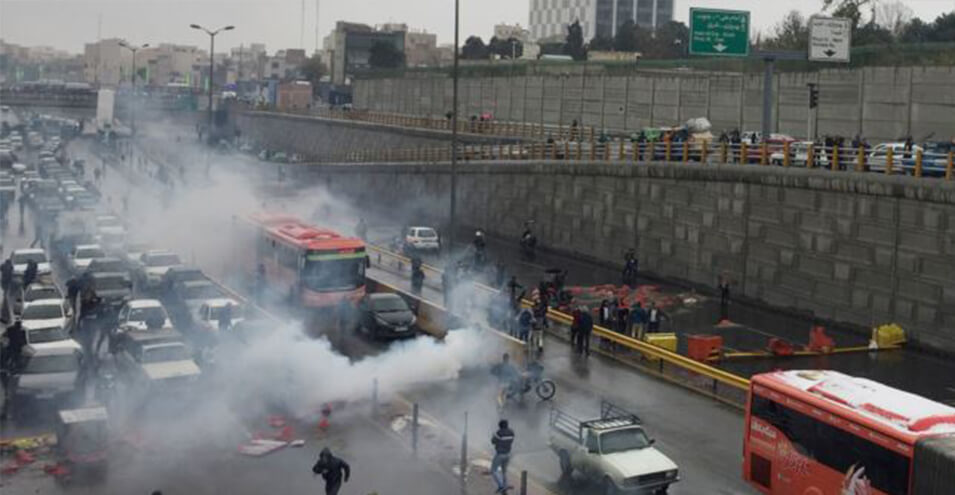
Following a threefold increase in the price of free gasoline, many Iranian cities witnessed widespread protests. Reports indicate severe suppression of the protests starting Saturday, November 16.
Official authorities reported that about 30 Iranian provinces were involved in these protests. Clashes between protesters and security forces in Mahshahr in Khuzestan Province, cities around Tehran, cities in Alborz Province, and the city of Sadra near Shiraz were more widespread than other areas, and reports indicate that the highest number of deaths were in these cities.
Amnesty International in its latest report put the death toll in the widespread November protests at 304 people, saying thousands of people, including 15-year-old children, have been detained and amid lack of information, there is a threat of torture of detainees.
The Necessity of Announcing the Death Toll from November Protests
Mahmoud Sadeghi said in another part of this interview: “I continue to insist on the necessity of announcing the death toll from the November events, and I actually believe this would prevent enemies from exploiting it. Of course, we have submitted a proposal for a special commission and are seeking to establish it. If the authorities are unwilling to make a public announcement of this toll, they should announce it to the people’s representatives in this special commission.”
Despite more than a month passing since the November protests, Islamic Republic officials are still unwilling to announce the number of people killed and arrested in these protests.
Human rights observers at Amnesty International said on Monday that the security forces of the Islamic Republic “ruthlessly suppressed” the November protests; and thousands of people, including journalists, human rights activists, or students, have been arrested to prevent anyone from speaking about the “oppressive” actions taking place.
Impeachment of the Interior Minister
Mahmoud Sadeghi, who is one of the signatories of the impeachment motion against the Interior Minister, said in this regard: “Apart from the improper decision itself to raise gasoline prices, which required accountability from other institutions, given Rahmani Fazli’s direct responsibility in the country’s Security Council and the way this matter was managed within the Interior Ministry’s jurisdiction, we should see accountability in this area.”
This parliament member added: “In managing the consequences of this decision, there are significant ambiguities. First, the way it was implemented caused inflammation, concern, unrest, and ultimately riots that these gentlemen must be accountable for. Second, there are obvious weaknesses in properly controlling this situation.”
Those impeaching the Interior Minister have stated that Abdolreza Rahmani Fazli, as the principal official responsible for implementing the decision of the Coordination Council of the Leaders of the Branches of Government regarding the gasoline price increase, “did not provide the necessary preparations and measures for implementing this decision, especially in informing and persuading the people, and caused serious damage to the Islamic Republic system.”
Ali Motahari, a parliament member, had previously said that the Interior Minister’s impeachment would be carried out if the Islamic Republic’s leader did not object.
Source: Radio Farda