Elder abuse rate in Iran among the highest in the world; one of three prevalent domestic violence forms in society
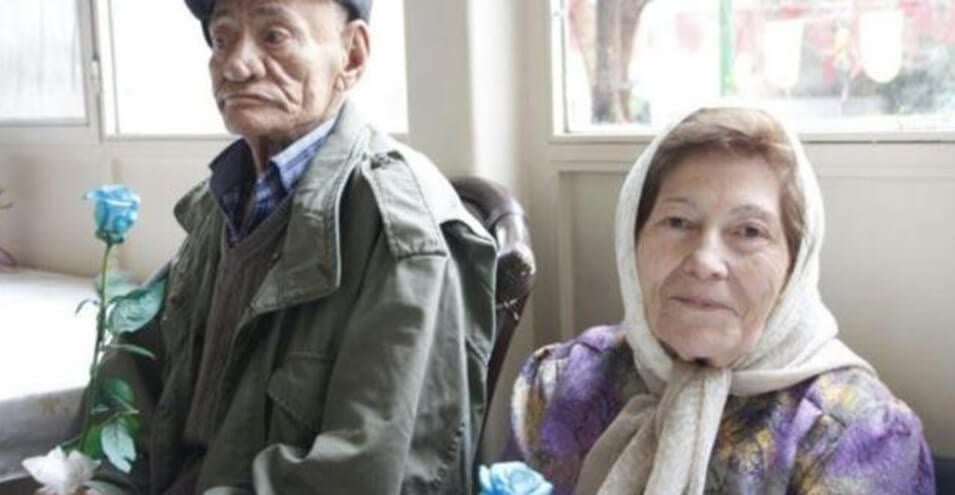
The publication of reports indicating that elder abuse ranks third among domestic violence cases in Iran has increased attention to this phenomenon in Iranian society.
Reza Jafari, director of Iran’s Social Emergency, told Iran newspaper that elder abuse is one of the most important categories in the field of social harms, and ranks third among domestic violence types after child abuse and spousal abuse.
Elder abuse has received attention in Iran because respect for and care of the elderly has been strongly emphasized in the cultural roots of Iranian society. Few expected elder abuse to rapidly increase in Iranian society.
Economic crises and pressure on low-income groups have been cited by some social researchers as among the reasons for the sudden increase in elder abuse in Iran.
The increasing trend in the elderly population in Iran has heightened concerns about the prevalence of elder abuse. According to the World Health Organization report, nearly ten percent of Iran’s population consists of elderly people, but over the next 30 years, the elderly will make up one-third of Iran’s population.
Reza Jafari defines elder abuse as follows: “Elder abuse means behavior that originates from a caregiver or caregivers of an elderly person and causes harm and reduces their quality of life.”
The prevalence of elder abuse in Iran has led to various university studies on this subject in recent years, and according to one of these studies, the prevalence rate of elder abuse in Iran exceeds 56 percent, which is much higher than the global average.
The same study states that the most common types of elder abuse are, respectively: emotional elder abuse, psychological elder abuse, neglect of the elderly, financial elder abuse, and physical elder abuse.
Behaviors such as insult, humiliation and reproach, degradation and deception, and exclusion from decision-making are considered examples of emotional elder abuse.
Based on one study conducted on abuse of elderly people requiring care and treatment, a strong relationship is observed between mistreatment and the physical and economic dependence of the elderly; especially when the financial burden falls on caregivers.
Findings from another study also show that in Iran, elderly women who have greater economic dependence on their caregivers are more exposed to mistreatment.
The prevalence of diseases such as Alzheimer’s also creates conditions for mistreatment and abuse of the elderly and ultimately their abandonment by those around them.
Mistreatment of the elderly can result in consequences such as reduced self-confidence, feelings of despair, indifference, psychological problems, and disability for the elderly.
One study attributed the prevalence of elder abuse in Iran to, in addition to the increasing number of elderly people, society’s transition from traditional to modern and facing its challenges.
Moreover, in Iran, another problem affecting the elderly in society causes them abuse: neglect in urban design and development of new urban spaces to address elderly problems. This includes the failure to design ramps, elevators, and escalators in spaces where the elderly cannot climb stairs.
Although activities have been carried out to help the elderly, including the development of plans to combat elder abuse and the preparation of national documents, fragmentation and lack of coordination have made them ineffective.
Source: Voice of America