Tehran Residents’ ‘348 Billion Toman’ Debt; Risk of Power Cuts in Summer
The CEO of Tehran Province’s Electricity Distribution Company has stated that Tehran subscribers owe 348 billion tomans to the province’s electricity distribution company.
According to IRNA news agency, Haji Reza Taimouri said on Tuesday, June 21, that of this amount, 44 billion tomans is the debt of the industrial sector, 106 billion tomans is the debt of the agricultural sector, 70 billion tomans is the debt of government organizations and departments, 59 billion tomans is the debt of the residential sector, and the remainder is for other tariffs.
The Islamic Republic increased electricity prices by 7 percent for all subscribers from the first of Ordibehesht month. However, Mr. Taimouri says that the energy prices for high-consumption residential subscribers will increase by an additional 16 percent starting from Khordad month, in addition to the seven percent increase.
Mr. Taimouri says that approximately 150,000 residential subscribers in Tehran Province are high-consumption users who consume more than the consumption standard of 300 kilowatt-hours per month.
He said there are currently 2 million 320 thousand subscribers in Tehran, of which 78 percent are residential subscribers consuming 30 percent of energy, 1.5 percent are industrial subscribers consuming 35 percent of energy, 0.5 percent are agricultural subscribers consuming 14 percent of energy, and 20 percent are other subscribers consuming 21 percent of electricity.
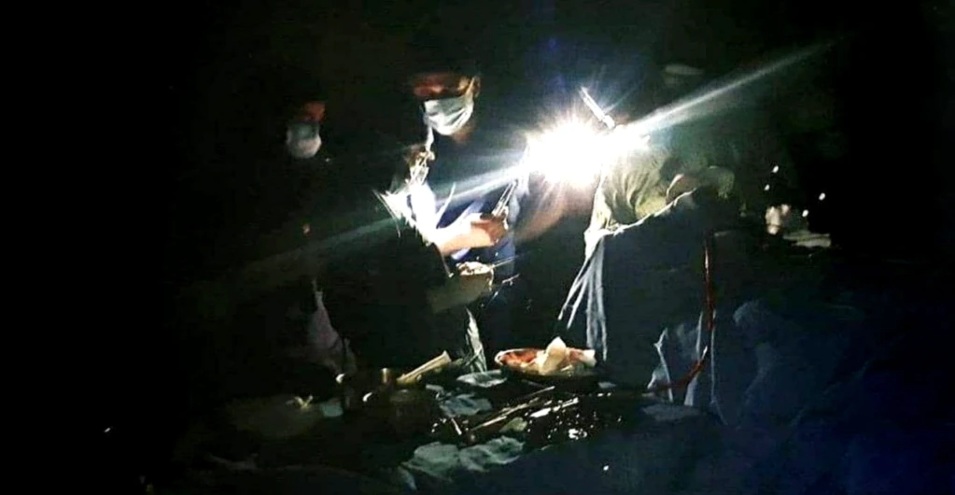
Taimouri also warned that in case of “reckless use” of electricity, there is a possibility of power cuts in summer.
For several consecutive years, Iran has increased electricity generation much less than what it had planned, and every year during the peak summer consumption period, it experiences power cuts.
The Ministry of Power has predicted that by the end of the year, more than 5,000 megawatts will be added to the country’s electricity generation capacity. Last year, Iran also aimed for a 6,000-megawatt increase in electricity generation capacity, but in practice, less than one-third of this figure was achieved, a situation that caused widespread electricity shortages and cuts in the country and led to a several-week halt in electricity exports to Iraq in summer.
Iran’s power plants suffer severely from age and very low efficiency (half that of modern power plants in the world), and recently the Majlis Research Center released a report stating that electricity generation in Iran is unprofitable.
In this regard, Mostafa Rajabi Mashhadi, spokesman for the electricity industry, also announced on Tuesday, June 21, that currently the cost of electricity production is much higher than the amount charged to subscribers, and this has led to debts of the electricity industry to the producers and contractors of this industry, and we cannot afford to pay the costs of electricity production.
Part of this loss is due to the low price of electricity in the country, but the major part is due to the very low efficiency of power plants and also the significant losses of electricity in the distribution system.
According to official statistics from the Ministry of Power, the efficiency of Iran’s thermal power plants is 36.5 percent, which is less than half the efficiency of advanced thermal power plants in the world. Official statistics from the Ministry of Power show that the rate of electricity losses in the network is more than 11 percent, and Mr. Taimouri also says this figure is 14.8 percent in Tehran.
Based on estimates, annually 16 billion dollars worth of energy is wasted in the country solely due to low efficiency of power plants and the electricity distribution network.
Mr. Rajabi Mashhadi says the available electricity supply capacity this year is around 59,000 megawatts, and based on preliminary forecasts, the peak electricity consumption in summer will reach 62,000 megawatts.
Mr. Taimouri said that low-consumption customers and those who reduce their consumption during peak consumption hours (noon and evening) will receive incentives.
Source: Radio Farda