Narges Mohammadi: Prison Organization and Judiciary Responsible for the Murder of Ali Reza Shirmohammadali
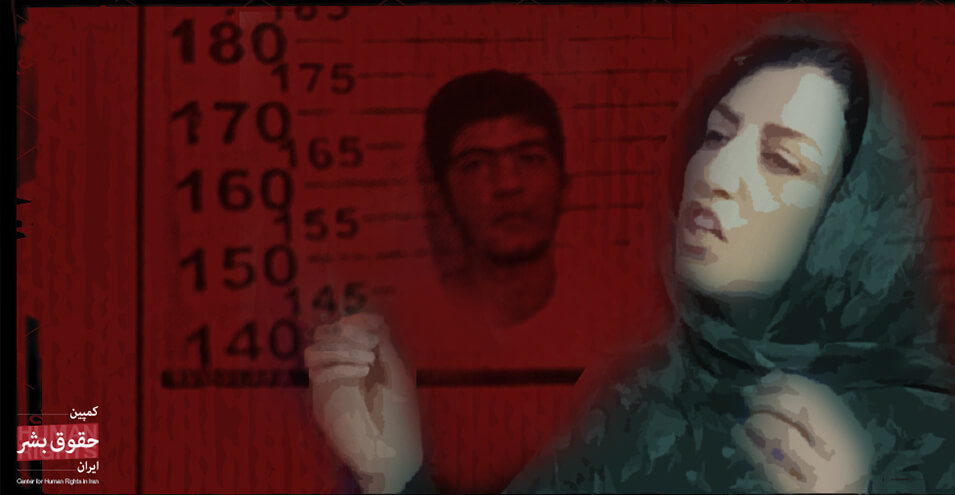
Narges Mohammadi, a prominent human rights activist who herself has been sentenced to 16 years in prison (10 years of which is enforceable), held the prison organization and judiciary responsible for the murder of political prisoner Ali Reza Shirmohammadali by releasing an open letter.
In part of her letter, Narges Mohammadi wrote: “The continuation of such killings and deaths will certainly continue without the oversight and inspection of independent and public supervisory bodies on the prison organization and judicial system.”
In response to widespread criticism regarding Shirmohammadali’s murder, Iran’s Prison Organization issued a statement on June 17, 2019, denying that he was held alongside dangerous criminals and announced: “In addition to pursuing the crimes of the aforementioned suspects, the matter of possible negligence or fault of the officials and authorities of the Greater Tehran Prison Complex has been immediately placed under investigation, and the results will be reported subsequently.” The organization wrote in its statement: “The Greater Tehran Prison Complex currently holds a number of suspects and convicts of crimes against persons, crimes against property and ownership, and crimes against public security and peace. Therefore, the claim that this prison is solely a place for holding dangerous prisoners is not accurate.”
- Although previously, Ali Reza Shirmohammadali’s lawyer told the Iran Human Rights Campaign that Shirmohammadali, a political prisoner, was murdered after months of enduring illegal detention in a ward of the Greater Tehran Central Prison where prisoners convicted of dangerous crimes were housed. On June 12, 2019, he told the Iran Human Rights Campaign: “Unfortunately, the principle of separating crimes in the Greater Tehran Prison has not been implemented, and there is essentially no suitable place, especially for those held under the title of political prisoners. I visited Ali Reza once in prison. He was a man of dialogue and not quarrelsome.”
According to Iranian law, prisoners must be separated based on the nature and type of crime. According to Article 69 of the Executive Regulations of the Prison Organization and Security and Educational Measures of the Country, “Convicts are assigned to one of the sections of vocational training centers, employment, prisons, or security and educational institutions based on their history, age, gender, nationality, type of crime, length of sentence, physical and mental condition, personality characteristics and aptitude, and level of education and specialization.”
Ali Reza Shirmohammadi went on a hunger strike from March 14 to April 16, 2018, in protest of the dangers existing in Fashafouyeh Prison.
Mohammad Hadi Erfaniyan Kasb, Ali Reza Shirmohammadali’s lawyer, said regarding his release order: “His appeal hearing was scheduled for July 9, and we were very hopeful for his release on bail until the final verdict was issued, and we were even given promises.”
The Prison Organization claimed that “in addition to pursuing the crimes of the aforementioned suspects, the matter of possible negligence or fault of the officials and authorities of the Greater Tehran Prison Complex has been immediately placed under investigation, and the results will be reported subsequently.”
The text of Narges Mohammadi’s letter, which was published on the website of the Human Rights Defenders Center, is as follows:
The Prison Organization and the Judiciary are responsible for the murder of Ali Reza Shirmohammadali.
The news of the killing of a young political prisoner with 30 knife stabs in Fashafouyeh Prison by criminals and ordinary prisoners once again proved the incompetence of judicial system officials and the prison organization and reminded of the necessity of oversight by independent and impartial bodies. In this regard, it is necessary to point out several important matters:
1- Although in recent years we have repeatedly witnessed suspicious deaths and murders of political prisoners in prisons and detention centers of the country, no impartial and competent court has been formed to investigate the aspects and causes of their occurrence, which itself testifies to the absence of an independent and fair judicial system in the country.
2- In addition to the lack of prosecution and legal pursuit, what is concerning is the continuation of such killings and deaths, which will certainly continue without the oversight and inspection of independent and public supervisory bodies on the prison organization and judicial system.
3- Ali Reza’s murder occurred while he was serving his sentence in a ward for ordinary prisoners, and this applies to dozens of other prisoners as well. Zeinab Jalalian, a young Kurdish woman imprisoned in a public prison in Kurdistan, Sepideh Qalian, a 22-year-old young girl, Dervish women, Marjan Davari, and others are held among women with ordinary charges in Qarchak Prison, and despite repeated reminders and requests to return them to the women’s ward in Evin, nothing has been done. This issue also exists for Dervish men in Fashafouyeh and political prisoners in Rajaei Shahr, and it is a clear violation by the officials of the prison organization and judiciary.
Source: Iran Human Rights Campaign