Why Did Meat Prices in Iran Double?
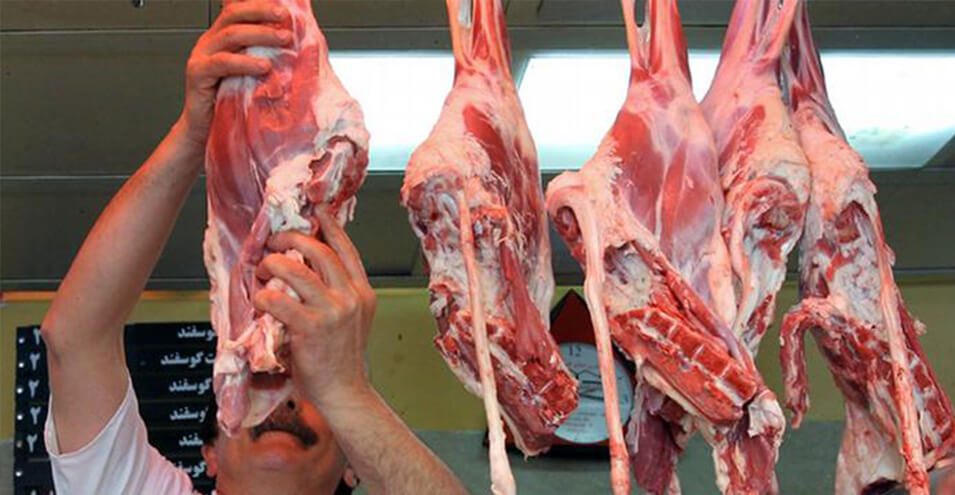
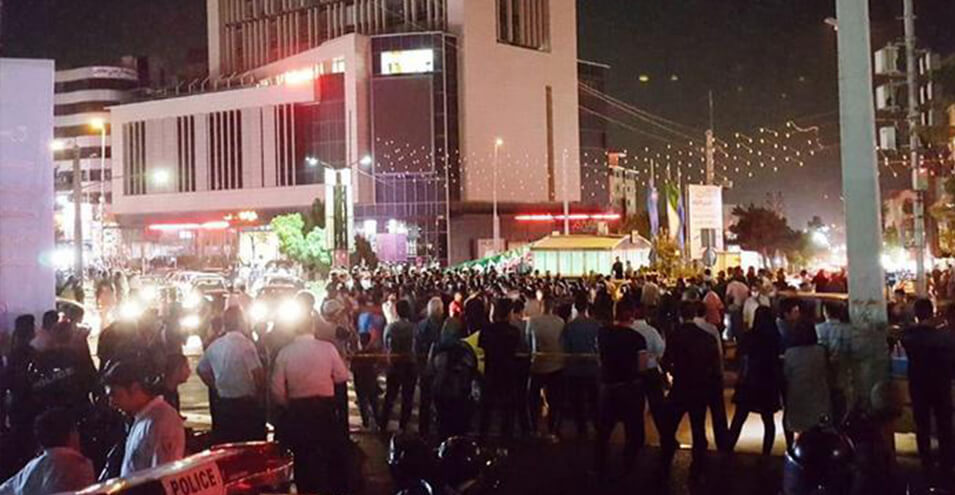
Shortage and high prices of meat have caused citizens to form long queues at markets across the country to buy meat at government-set prices. The government has failed to prevent the rise in meat prices, and the price of lamb in Iran has reached 110,000 tomans.
Ali Asgar Maleki, head of the lamb meat union, told ILNA news agency on Tuesday, the 9th of Bahman (January 29), that meat prices have reached 110,000 tomans and live animal imports from Romania will begin soon.
According to the head of the lamb meat union, “tailless lamb cuts are priced between 105 to 110,000 tomans” and meat purchased by retailers is around 90,000 tomans, which with a 10 percent profit margin reaches the same amount.
Meat at 110,000 tomans per kilogram was not a price that government officials expected. According to Maleki, the government is supposed to import 50,000 live sheep daily from Romania to prevent meat price increases.
The head of the lamb meat union emphasized that with the arrival of sheep from Romania, meat will be supplied at 40,000 tomans in the market, but the import of live sheep from Romania has not yet been realized, and with the increase in meat prices, queues for meat and poultry in Iranian markets are becoming longer.
But what could be the reason for the shortage or high prices of meat, and which organization is responsible? Officials and economic experts have cited multiple factors for the doubling of meat prices.
Hossein Ali Haji Deligani, representative of the people of Shahin Shahr, on Tuesday, the 9th of Bahman (January 29), referred to meat smuggling in a speech during parliament’s order of business, which the government is not preventing. While criticizing the government’s performance, he said: “The performance of the Ministry of Agricultural Jihad in dealing with meat prices has been wrong, and steps must be taken to prevent smuggling of breeding livestock.”
This parliament member emphasized that people are dissatisfied with the government’s approach to meat prices. He also said that the government “has taken no action to prevent smuggling of livestock out of the country, especially smuggling of breeding livestock,” and has also failed to take steps to break the monopoly on animal feed imports.
“Lack of unified command caused meat prices to rise”
Yahya Al-Ishaq, a member of the Tehran Chamber of Commerce, believes that as long as a “unified command” for managing the market for essential goods is not established, one cannot expect what has happened over the past months to stop and prices to approach their real levels.
This Tehran Chamber of Commerce official emphasized: “Just to provide the meat needed by society, the government has injected approximately one billion dollars of official foreign currency from the beginning of this year until now, but in conditions where according to forecasts, the price of this commodity should have been set at 40,000 tomans, today prices of 100,000 tomans and even higher are seen in the market.”
Al-Ishaq pointed out that the main factor in disrupting market conditions is the lack of unified command. He criticized responsible ministries for absolving themselves of responsibility and blaming the problem on another sector, resulting in what is now seen in the meat market.
Source: DW