Parliamentary Research Center: 23 to 40 Percent of Iran’s Population Below Poverty Line
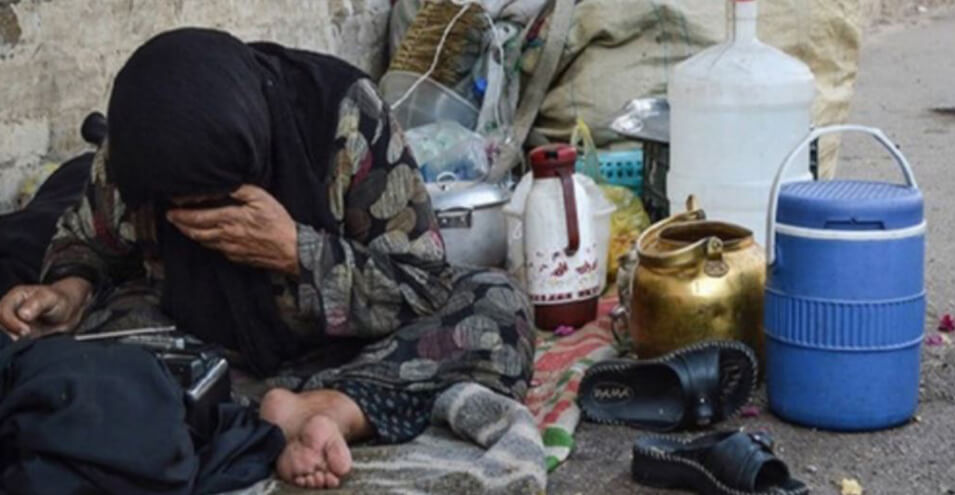
Iran’s Parliamentary Research Center announced in a report that approximately 23 to 40 percent of Iran’s population fell below the poverty line in 2018.
The difference between the two figures of 23 to 40 percent is due to different scenarios and variations in how the poverty line is calculated.
According to the report, while approximately 16 percent of the country’s population was below the “absolute poverty” line in 2017, by the end of 2018, between 23 to 40 percent under different scenarios regarding household income conditions would fall below the poverty line, and the cost of meeting minimum living needs would increase sharply.
The center had previously reported that in 2016, the ratio of those in absolute poverty to the total population in urban areas was estimated at 15 percent and in rural areas at 11.6 percent.
There is disagreement among responsible institutions regarding how to calculate the poverty line in Iran, and the responsible institutions do not provide uniform statistics on this matter.
The center stated in its report that based on calculations made, the poverty line in 2017 for a four-member household in Tehran was approximately 2.5 million tomans, and this figure is expected to reach approximately 3.4 million tomans by the end of autumn 2018.
According to the report, “the cost of the poor’s food basket” from the beginning of 2018 until autumn of that year increased by approximately 42 percent, while during this period “in the best case scenario, the poor’s income remained constant or even decreased due to job loss.”
According to the center, this situation has increased the poverty rate, and it is predicted that by the end of 2018, three to four deciles of the lowest income groups would fall below the poverty line.
Some labor and union sources as well as some independent economists define the poverty line at a higher level than official institutions.
For instance, Hossein Raghfar, a university professor, had assessed the absolute poverty line for an urban four-member family in 2017 at 4 million tomans.
The Parliamentary Research Center in its report addressed different scenarios for supporting low-income individuals and their supporters and opponents.
Representatives of the Iranian Parliament, while reviewing the 2019 budget, approved a resolution that, if confirmed by the Guardian Council, would bring essential goods into the country next year using the official exchange rate and distribute them among the people using an “electronic commodity coupon (coupons).”
Iranian media have referred to the “commodity card” as “electronic coupons.”
This plan is reminiscent of the Iran-Iraq War period, when for eight years and for several years after, some food items including meat, rice, and sugar were distributed to people in coupon form.
Last year, the government also provided support packages to some groups aimed at compensating for the economic effects of American sanctions.
People who receive this money cannot withdraw it from their accounts and can only purchase “essential goods (food items).”
Source: Radio Farda