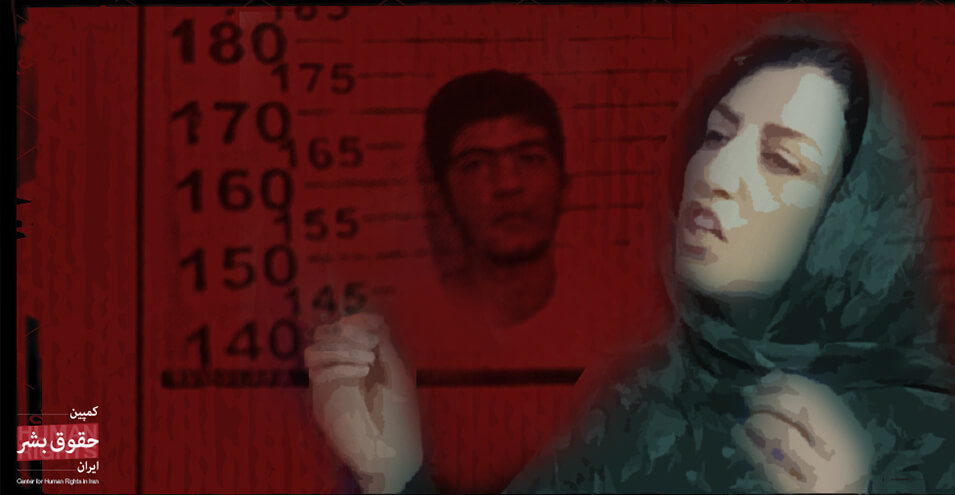
Urgent Need for Narges Mohammadi’s Medical Leave for Treatment of Illness: ‘Waiting for New Prosecutor’s Decision’
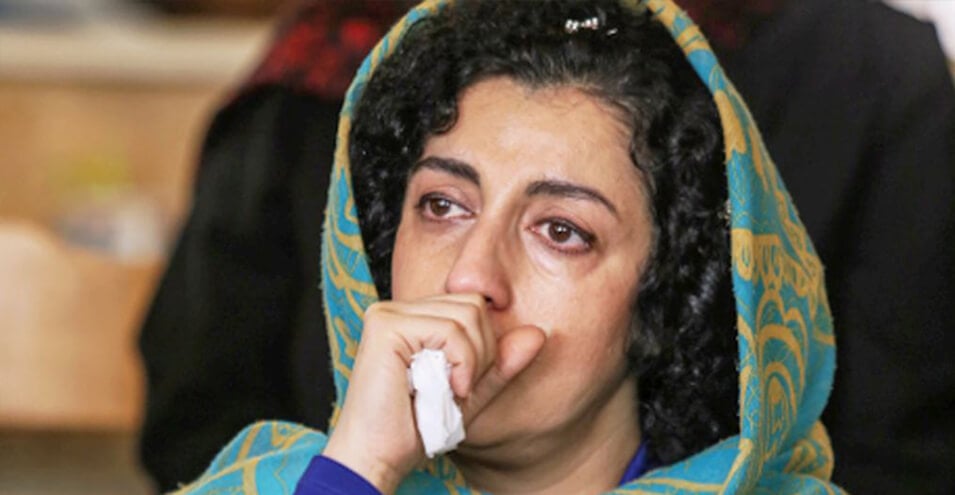
The husband of imprisoned human rights activist Narges Mohammadi told Iran Human Rights Campaign that she suffers from two serious illnesses for which she has needed medical leave and hospitalization for months, but despite multiple requests from her lawyer and family, the Tehran prosecutor has not approved it for unclear reasons.
According to Taghi Rahmani, they are awaiting the decision of the new prosecutor regarding Narges Mohammadi’s medical leave status: “The prosecutor’s approval is essential for her health.” Since her arrest in May 2015, she has been transferred to the hospital multiple times due to her illnesses, but medical leave has not been granted.
Taghi Rahmani told the campaign that Narges Mohammadi has problems with her uterus and masses in her lungs that require hospitalization and treatment: “Narges suffered from pulmonary embolism after childbirth. To control this disease, doctors always prescribed that she must take medication. During her period, she should not stop taking this medication, but in the past year her menstrual bleeding has become severe. If she stops taking the medication, she risks pulmonary embolism. Last Saturday, after her condition deteriorated in prison, she was transferred to the hospital. The doctors’ opinion was that her uterus should be removed, but they said for more certainty Narges should be hospitalized for a few days under observation so the best definitive decision can be made for her. However, prison authorities objected to her staying and returned her to prison again.”
Narges Mohammadi’s husband said about her other illness: “Three or four months ago, after X-rays of Narges’s lungs, they discovered masses that could be dangerous. But for further diagnosis, doctors recommended she be hospitalized. However, this has also been opposed.”
Taghi Rahmani, referring to Ms. Mohammadi’s long-standing illness “muscle spasm,” also said: “This disease, which resulted from her prison period, sometimes even leads to convulsions and has been controlled with medication over these years. Multiple times in recent months, Narges’s family and lawyer requested medical leave to allow her hospitalization for treatment of her uterus and also to diagnose lung masses, but the former prosecutor opposed it. Now we need to see what the new prosecutor’s opinion is.”
Narges Mohammadi’s husband, emphasizing that one-day hospital visits are “more stress-inducing,” said: “These one-day hospital visits don’t solve the problem but rather increase Narges’s and her family’s anxiety. The patient is sent to the hospital, the doctor gives a partial opinion and without sufficient time for treatment and even proper diagnosis, she is returned to prison. Without anything being accomplished.”
Narges Mohammadi was arrested on May 5, 2015, two months after meeting with Catherine Ashton, the European Union’s foreign policy chief, at the Austrian embassy in Tehran and discussing the state of human rights in Iran, and was sentenced to 16 years in prison for membership in the Defenders of Human Rights Center, assembly, conspiracy, and action against national security and propaganda against the system. According to the new Islamic Penal Code, she must serve 10 years of this sentence.
This human rights activist, who has suffered from muscle paralysis and pulmonary embolism since her arrest, has repeatedly requested medical leave for treatment but has not been approved. Her lawyer, Mohammad Behzadi Rad, told ILNA news agency in June 2018 that his client, given her physical condition, should be able to benefit from the “conditional release” law.
Ms. Mohammadi wrote in a letter in June 2018 addressed to Sadegh Amoli Larijani: “Applying pressure and taking control of the helpless families of political prisoners, even in the context of family visits, is not just a political and security matter, but a decline in morality and human dignity.” Nearly a month after this letter, she was transferred to the hospital due to recurrence of her illness, and her status remains unclear.
Narges Mohammadi was previously arrested following the 2009 events and was sentenced to six years in prison on security charges, but due to the same muscle paralysis disease and inability to tolerate prison, she was ultimately released from prison in 2013.
Source: Iran Human Rights Campaign