“485 Villages in South Khorasan Province Don’t Have Even a Drop of Drinking Water”
The governor of South Khorasan Province says that currently more than 485 villages in this province don’t even have “a single drop” of drinking water.
As Mohammad Mehdi Movahed al-Shariah reported during a meeting with members of the parliament’s agriculture commission and the Supreme Leader’s representative in this province, the drinking water needed by people in these villages “is supplied by water trucks.”
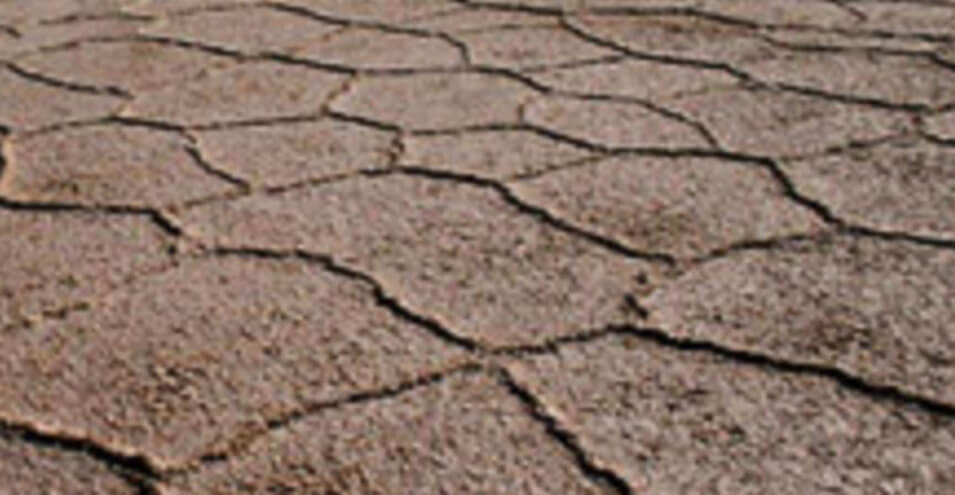
According to this official, South Khorasan Province “has been struggling with drought for two decades” and the decrease in rainfall and water resources has created “special climatic conditions” for this region.
He added that to “maintain and stabilize the population” in villages and areas lacking minimum drinking water, we need “a different model of management, economy, and providing people’s livelihoods.”
These remarks were made while in December of last year it was announced that South Khorasan is “the lowest precipitation” province in the country.
Ali Reza Khandanrou, director general of meteorology in South Khorasan, had announced at that time that the province’s rainfall in the current year decreased by 96 percent compared to the long-term average (25 years) and by 81 percent compared to the year 1395.
As he reported, in terms of drought over a seven-year period, 100 percent of South Khorasan Province is affected by drought, and accordingly, 54 percent of the province’s area is experiencing severe drought, 35 percent moderate drought, and 11 percent very severe drought.
South Khorasan, with an area of 151,000 square kilometers, is Iran’s third largest province after Sistan and Baluchestan and Kerman, and the declining rainfall and consecutive droughts have faced this region with problems including severe drops in groundwater levels, land subsidence, and migration.
In September 1395, Mohammad Shafiei, director general of the rural affairs office and councils of the South Khorasan governor’s office, said that by 1390, “1,703 villages” in this province had been depopulated due to drought.
Referring to the increasing trend of migration from this province, he had described migration from South Khorasan villages as “much more severe” than from other provinces in the country.
Tasnim News Agency also reported that in South Khorasan “wherever we look, we see deep traces of drought.”
According to this report, drought has caused wells and qanats in South Khorasan Province to dry up, and villagers due to water shortages and lack of livestock feed “have no hope for living in villages and are turning to cities and marginalized areas.”
Mehr News Agency also reported that “most villagers’ occupation is livestock and agriculture, but now there are neither livestock nor crops left. The unemployment rate in South Khorasan Province is about 11 percent. Six thousand six-year-old children in the province suffer from malnutrition… and this province ranks second and first respectively in Iran in terms of anemia among pregnant women, six-year-old children, and adolescents.”
Besides South Khorasan Province, many other regions in Iran are also experiencing drought and water scarcity due to decreased rainfall and increased air temperature.
The water shortage in the country is to such an extent that Reza Ardakanian, Iran’s energy minister, has considered this year the most difficult year for water supply in the country over the past half century and warned that 334 cities with a population of 35 million people are facing water stress this year.
Yesterday, an official in Sistan and Baluchestan Province announced that the dams in this province only have water reserves for five months, and currently, “the only” important issue in this province is providing drinking water.
As Bagher Kord, deputy governor of Sistan and Baluchestan, announced, the total volume of water stored in the dams of this province is “two billion cubic meters,” which given the “temperature increase” in the province’s cities in the coming months, this amount of water “will be depleted by Shahrivar.”
Source: Radio Farda