Parliamentarian: 200 Families Have Held Iran’s Fate Hostage
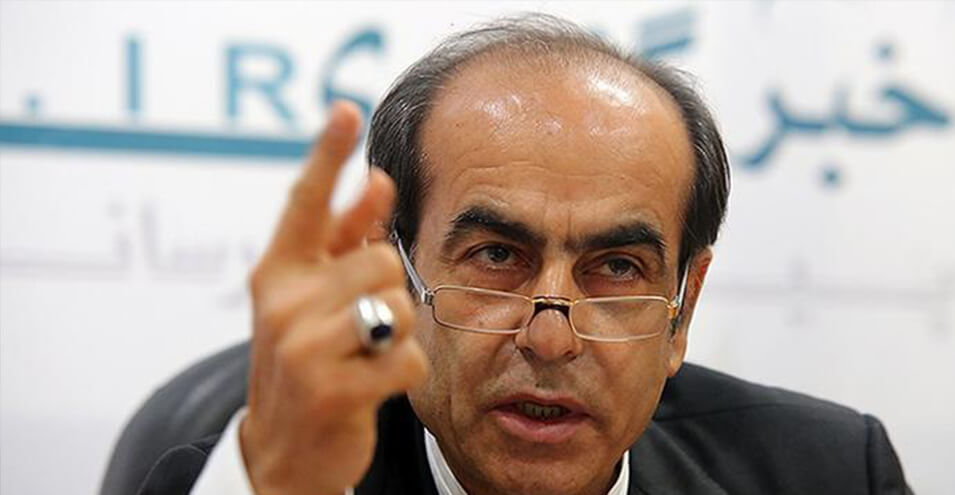
According to a parliamentarian, some Iranians are selling their body organs to provide for their livelihood. Hedayatollah Khademí, referring to the desperation of people facing poverty, added that for 40 years, 200 families have held the fate of the country hostage.
Hedayatollah Khademí, a member of the Islamic Consultative Assembly, on Sunday (July 29) during an urgent statement in Iran’s parliament’s open session, severely criticizing the dire economic conditions and people’s living situation, said among other things: “Incompetence, inefficiency and weakness of governments in these years is like a list of grievances that has added to people’s problems every day. A situation has been created that the people of this time cannot comprehend. We witness problems increasing every day, but there is neither the will to solve them nor the ability.”
Khademí, referring to the fact that “the country is afflicted with embezzlement and corruption,” asked: “Why have other countries controlled corruption, but we cannot?” He then acknowledged that: “Economic corruption is like termites that have eaten away at the fabric of this country and its officials. We have accepted that we are a corrupt and inefficient country.”
“You Have Made the People Miserable”
The representative of Izeh and Baghmalak in parliament, launching a sharp attack on the economic and development policies of various governments of the Islamic Republic, addressed state officials and added: “You have made the Iranian people miserable. You have taken their dignity and self-respect. They do not know what to do out of poverty and destitution. To cover the cost of living, they have resorted to selling body parts including kidneys. See what you have done with a country that has one percent of the world’s population and eight percent of the world’s resources.”
This parliamentarian continued, referring to the statements of Ayatollah Khamenei, the leader of the Islamic Republic, who compared economic corruption to a “contagious disease” and said “if it is not stopped it will spread,” stating: “We did not stop it [corruption] and it spread to everyone.”
Hedayatollah Khademí, in another section of his remarks, accused “most government officials of the past 30 years” in Iran of “oppression” of the people, “betrayal” of their trust and “destroying the youth” of the country, saying that these officials “if they had even a shred of conscience and honor, would hang themselves due to all this incompetence, oppression and betrayal of their own youth.”
Khademí then, while attacking officials who he said chant “Death to America,” but whose children are in America, leveled a serious accusation against this group of Islamic Republic officials and said: “History testifies that perhaps some government officials were tasked with acting against Iran’s interests.”
This parliamentarian, criticizing the way the government is formed in Iran and the transformation of parliament into “the private life of the government,” questioned the 40-year history of governments and parliaments of the Islamic Republic and said: “With the government and parliaments you have built, you will never see development and progress.”
Khademí continued: “Over the past 40 years, approximately 200 families have held this country’s fate hostage, moving from one ministry to another.”
The representative of Izeh and Baghmalak in parliament considered the way out of Iran’s economic problems to be “exposing” corruption and embezzlement, and concluded: “We should try and prosecute 50 embezzlers and government thieves and impose the harshest punishments on them. Government officials who have brought this country to this state over the past 30 years should be removed and the assets they have taken from the country should be returned to the treasury.”
Hedayatollah Khademí, finally, referring to the fact that “the orders of the Supreme Leader of the Revolution should be heeded by all officials,” called on the officials of the Islamic Republic to: “Be patriots, not lie, work hard and not steal.”
This parliamentarian attacked virtually all government officials except Ayatollah Khamenei at a time when, from the perspective of government critics and even some independent domestic experts, at least one of the main reasons for rent-seeking, corruption, lack of healthy economic competition and the refusal of foreign companies to invest in Iran is the special privileges and lack of accountability of the vast apparatus under the supervision of the Islamic Republic’s leader to the parliament or government institutions.
Severe Decline in People’s Purchasing Power
At a time when the recent increase in the official dollar rate failed to reduce currency market tensions, yesterday the dollar reaching five digits became the headline of many domestic media outlets and news agencies; a headline in response to the runaway increase in the dollar price in Iran’s currency market.
The dramatic increase in currency prices in recent weeks and months has led to the collapse of the rial’s value and consequently a severe decline in people’s purchasing power. Some Iranian websites and news agencies reported the sale of dollars at 12,000 tomans in Iran’s free market.
The main victims of the collapse of the national currency are primarily wage earners, workers and low-income groups. Iran’s ILNA news agency reported on Monday (August 8) that the minimum wage of workers in Iran is “at least 2.8 million tomans” less than the “subsistence basket,” which is the amount needed to make a living.
Ali Khodaei, a worker member of the Supreme Labor Council, reported several days ago of a “decline of more than 48 percent in the purchasing power of wages” and said: “Employers and the government have accepted this reality, but to solve this problem, they have no solution in their pocket.”
In recent days, prices in Iran have experienced a sharp rise, and for example, the price of Iranian household appliances has increased 40 percent and the price of red meat has increased more than 80 percent. News that ILNA calls “a barrage of calamity” for wage earners: “The relentless calamity of poverty and desperation; especially in a government that promised to protect people’s livelihood.”
Faramarz Tofighi, head of the wage committee of the Supreme Council of Councils, said about the living conditions of workers: “The survival of the working class is in danger; the situation has gone beyond ‘unfavorable’ and even ‘dire’; I cannot find any word to describe it.”
This worker representative, referring to “a 72 percent decline in workers’ purchasing power,” said: “They announce that 32 percent of dairy products have become expensive; we have seen an 85 percent increase in red meat prices; more than 50 percent increase in chicken meat prices; more than 100 percent increase in white fish meat prices; more than 30 percent increase in fruit prices; in the housing sector we have had more than 140 percent increase in costs; in communications we have had 53 percent increase; you take hold of this rope and continue…”
The Central Bank of Iran yesterday, in a statement, described recent developments related to the foreign exchange and coin market as “abnormal” and disproportionate to the “economic realities and currency reserves of the country,” and attributed it to “the conspiracy of the country’s enemies and in line with creating inflation in the economy and depriving people of psychological peace.”
Source: DW