10 Best Films About the Bible

Since the cinema came into existence, the Bible (Old and New Testament) has been one of its subjects. Biblical stories were of great interest even during the era of silent films. However, the aesthetic approach to this subject has changed over decades.
The 1950s: Greatest Focus on the Bible
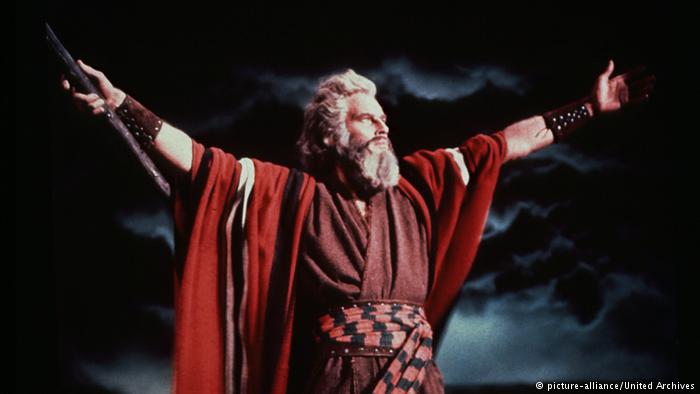
Hollywood in the 1950s sought to produce exceptional special effects with expensive films. One of these films was “The Ten Commandments,” a product of the American Paramount company, made in 1956 under the direction of Cecil B. DeMille based on the life of Moses. The film, starring celebrities such as Charlton Heston and Yul Brynner, succeeded in winning the Academy Award for Best Special Effects and remains the sixth highest-grossing film in the history of world cinema.
Moses in Silent Films
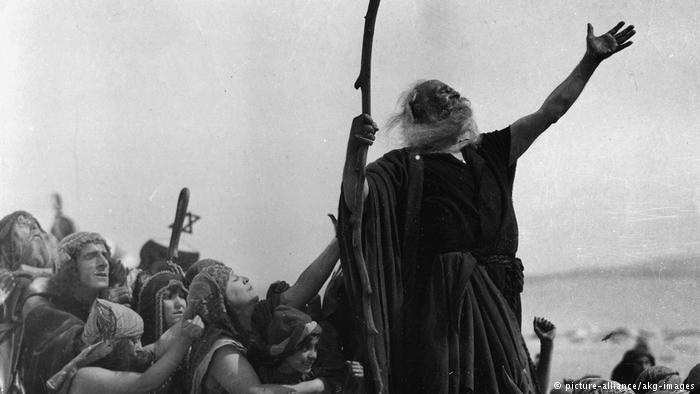
Cecil B. DeMille, the American director of “The Ten Commandments,” worked on biblical stories (Old and New Testament) several years before making this film. Church authorities initially had a negative view of such films, but gradually realized how to effectively use the new media to their advantage.
The Story of Jesus’s Life on the Cinema Screen
The success of films based on the Bible in the 1950s led this trend to continue through the 1960s. However, in this decade, directors focused more on the New Testament and the story of Jesus Christ’s life. Nicholas Ray made the color and sound film “The King of Kings” in 1961, in which the life of Jesus Christ was depicted. In this film, Jeffrey Hunter appeared in the role of Jesus.
“The Gospel According to St. Matthew” by Pier Paolo Pasolini
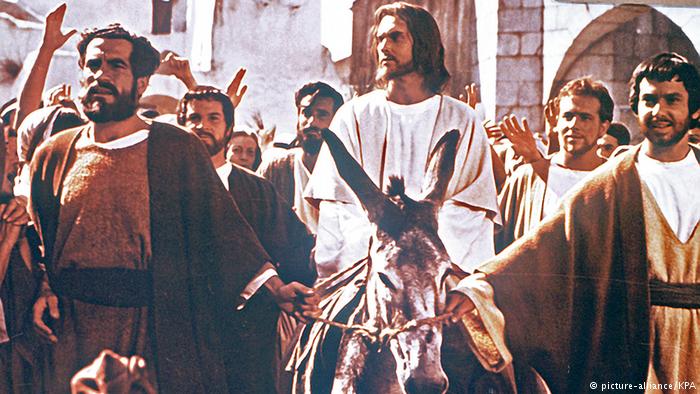
The production of films with biblical stories was popular in Europe, particularly in Italy. Many Hollywood films were also shot in Italy because costs were cheaper than in America. Pier Paolo Pasolini, a prominent Italian director, in his film “The Gospel According to St. Matthew,” addressed the life of Jesus not by emphasizing sacrifice and spirituality, but as a person who has a very important message that must be communicated.

The Greatest Story Ever Told
Hollywood during this period continued to emphasize the production of expensive and grand films. This grandeur could even be seen in the title of a film such as “The Greatest Story Ever Told.” George Stevens, an American director, prepared this three-hour film for release in 1963. In this film, actors such as Max von Sydow, in the role of Christ, and Telly Savalas, in the role of Pontius Pilate, the Roman governor of Judea, who shaved his head completely for his role in this film, performed.
Jesus Christ Superstar
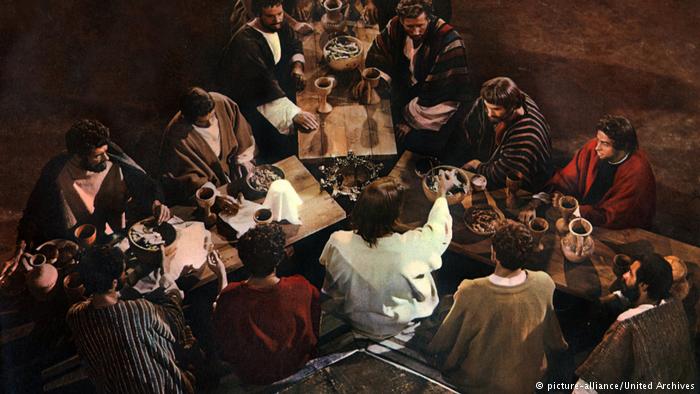
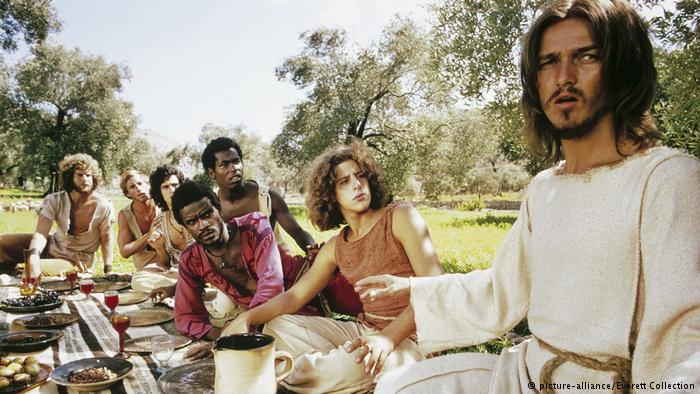
The social movement of youth in 1968 in Europe and the “hippie” movement in America caused the approach to the Bible to change as well. Producers and directors approached the life of Christ with freer and bolder interpretations. These new interpretations were welcomed by many, and the musical film “Jesus Christ Superstar,” made in 1973, was met with unprecedented acclaim.
The Life of Brian: A Comedy
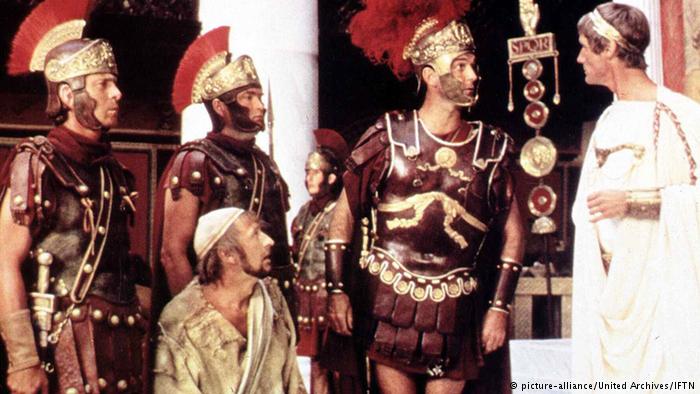
The British film “Life of Brian” tells the story of Jesus Christ’s life with humor. This film depicts the life of a Jew who was born in the place where Christ lived and at the same time, living peacefully in a village until people think he is Christ. Although he denies being Christ, he is ultimately crucified. While this film was met with great reception, it also had a considerable number of critics.
King David
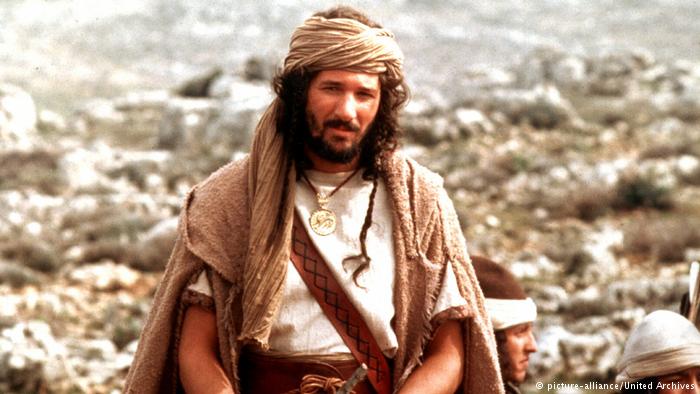
However, once again, “serious” films were also made in connection with the story of Jesus Christ’s life with high moral standards. One of these was the English-American film “King David” directed by Australian Bruce Beresford, made in 1985. Richard Gere demonstrated his powerful acting in this film.
The Last Temptation of Christ
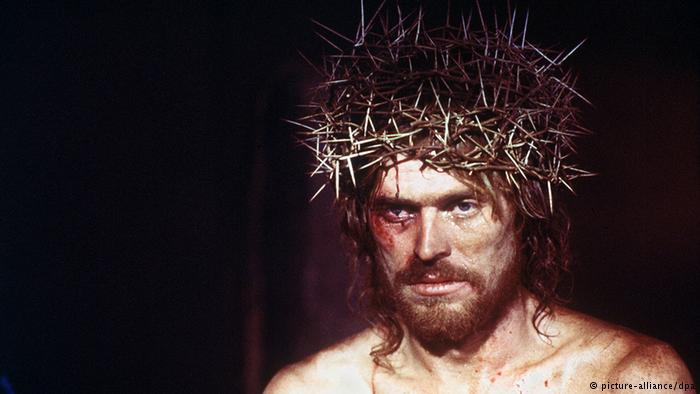
It would take some time before a powerful director like Martin Scorsese stepped into the cinema arena and again addressed the subject of the Bible and the life of Christ in 1988. “The Last Temptation of Christ” was based on a novel of the same name written by Nikos Kazantzakis, a Greek novelist. The church had a very negative response to this film because Jesus Christ in this film was not a sacred figure and was depicted as an ordinary man struggling with “carnal desires.”
The Passion of the Christ by Mel Gibson
Mel Gibson, an Australian-American actor, director, and producer, succeeded once again in stirring up debate about a film on the life of Jesus Christ by directing the film “The Passion of the Christ” in 2004. Gibson (during the direction) depicted the last days of Christ’s life and did not hesitate to show violence. This very act provoked protests from the church.

Source: DW