Islamic Republic Officials Judge Air Pollution from Outside the Pit
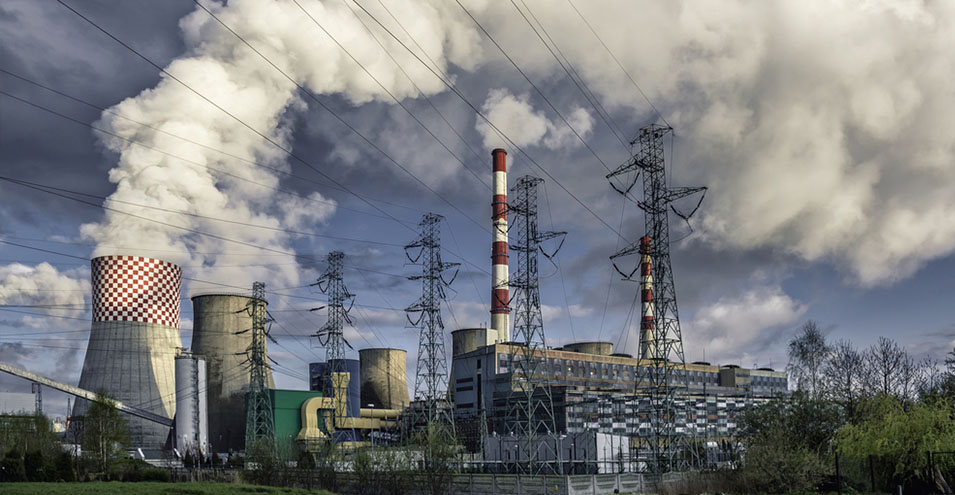
Sohila.Kh. FC NAN News Agency: With the onset of winter, air pollution has gripped many major cities in the country, and Islamic Republic officials are merely whitewashing the problem in the face of this crisis.
They resort to the most illogical solutions to conceal managerial shortcomings and weaknesses in running the country.
School closures in recent years have been one of these solutions. As soon as the air becomes unhealthy, students are kept at home. This solution, along with depriving students of education, also creates problems for parents.
This process in the country has faced criticism from Eghbal Shaker, a member of Tehran’s City Council.
According to ISNA, he emphasized that some officials have placed air pollution masks over their eyes instead of their noses so they don’t see the psychological and health damage inflicted on people.
Meanwhile, other slogans are being put forward by officials claiming their efforts. However, their claims are so far from reality that it seems they are completely unfamiliar with Iran and the conditions of different cities.
Several Iranian citizens, in conversations with FC NAN, believe the reason for this unfamiliarity is the distance of officials from people’s daily lives, and they believe that these officials sit outside the pit and make speeches.
Officials are Dreamers, Not Reality Seekers
Ibrahim is a citizen of Isfahan. He refers to the implementation of a plan called “Car-Free Tuesday Initiative” in this metropolis. However, he claims that despite officials’ stated approval, closing off Chaharbagh Street to traffic on these days has had no effect on reducing the city’s pollution.
He is also aware of the implementation of this plan in Shiraz and says that preventing vehicle traffic on Afif Abad Street in Shiraz does not solve any problem either. Because this street never had heavy traffic and is not a place where vehicles pass through or congregate.
In this citizen’s view, officials must pay attention to realities when evaluating feedback on plans that are also costly, rather than living in dreams.
Prohibiting Cycling for Half the Population
Furthermore, people are constantly advised to use public transportation and bicycles to combat air pollution.
While, according to Mina, a Shiraz citizen, women, as half of the country’s population, are not allowed according to religious law to cycle in public places.
This citizen, in conversation with FC NAN, claimed that the public transportation fleet also does not match the population demand in most major cities in the country. For example, the project for Shiraz’s first metro line has been dragging on for twenty years and is still under construction. The operation of this line also serves the Two Medians route, which does not have heavy traffic.
Mina asks officials to be bus passengers in Shiraz or Mashhad at least once, or ride the metro in Tehran, so they understand the people’s suffering.
Neglecting Environmental Problems in the Country
Meanwhile, the priority status of the environmental sector in annual budget allocation could reflect Iran’s officials’ approach to controlling phenomena such as air pollution.
Sadigh Zibakalam challenged this view in the Etemaad newspaper. According to him, the entire environmental budget of the country with over 6,000 environmental rangers and employees in 1393 (2014) was around 175 billion tomans. While in the same year, 35 institutions, foundations, organizations, and centers for cultural issues in the country and propaganda received close to 6,000 billion tomans in budget.
He continues: “Then how are we supposed to prevent Lake Urmia from drying up with this money; revive the Karun River which has turned into sewage; prevent dust storms and particulates from invading Khuzestan and western parts of the country; revive Anzali Wetland which has turned into a swamp; improve the rivers of Gilan and Mazandaran which discharge urban and industrial sewage from northern cities into the Caspian Sea; prevent the air in Tehran and other major cities from becoming polluted; prevent forests from catching fire and also control soil erosion.”
Currently, 20 percent of the fuel required for vehicles in our country is imported, and approximately 70 million liters of gasoline are consumed daily in Iran. There is no doubt that acquiring a public transportation fleet and providing people’s welfare through this means could lead to reduced use of private vehicles and control of air pollution. However, this is not possible through slogans and whitewashing the problem. This is the process that officials in Iran have pursued in recent years, and its unfortunate result is before the people.
Therefore, it is expected from the country’s media to challenge officials and, by avoiding self-censorship, clarify what status public health and environmental protection hold for the Islamic Republic authorities in Iran.