First Shipment of Controversial Russian Vaccine to Arrive in Iran on Thursday
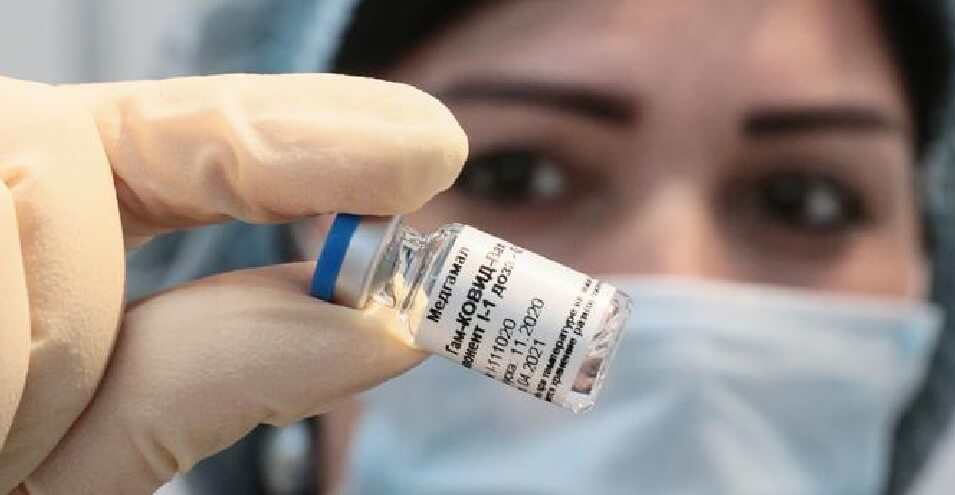
In coordination with the Ministry of Health, the first shipment of Russian vaccine will enter Iran on Thursday, Bahman 16. Previously, experts have warned against the use of the Russian vaccine. International credible organizations have not yet approved this vaccine.
The spokesman for the Civil Aviation Organization announced that in coordination with the Ministry of Health, Treatment and Medical Education, the National Coronavirus Headquarters, and the Ministry of Roads and Urban Development, it has been decided that the first phase of imports of Russian coronavirus vaccine will be loaded on Friday, Bahman 16, by Mahan Airline from Russia and brought into the country.
According to the Fars News Agency, Mohammad Hassan Zeibakhsh, regarding the volume and amount of the first shipment, said that “the volume and dose of Russian coronavirus vaccines in the first part is determined according to the demand of the Ministry of Health, Treatment and Medical Education.”
Previously, multiple experts have warned against the use of the Russian vaccine.
Two days ago, 98 members of the General Assembly of the Medical System of the Islamic Republic, in an open letter addressed to President Hassan Rouhani, emphasized that as representatives of the medical community in various cities of the country, they oppose the purchase of “Sputnik V” vaccine and demand the purchase of “the best vaccines available in the world from multinational companies.”
American and British companies are involved in the production of reputable multinational vaccines that have so far received authorization from international organizations.
Ayatollah Khamenei, however, has banned the import of such vaccines. The leader of the Islamic Republic announced on December 19 without providing scientific reasons that in his view American and British vaccines are ineffective.
The Sputnik vaccine received national approval for use in Russia about six months ago while the necessary information about the final stages of its clinical trials had not yet been submitted to independent bodies and the World Health Organization. The European Union is reviewing this vaccine, and the first comprehensive study on it was recently published in the scientific journal The Lancet, which indicates its 91 percent effectiveness.
In the letter of members of the General Assembly of the Medical System, which was published before the publication of The Lancet study, while noting that “the effectiveness and safety” of the Sputnik V vaccine “is faced with ambiguity and objection even in the producing country,” they stated their reasons for opposing it as follows:
“A: Transparent information about the research and production phases of Sputnik V vaccine is not available.
B: Sputnik V vaccine has not been approved by any of the world’s credible sources and its effectiveness and safety has been questioned by international bodies and even scientific figures in the coronavirus headquarters.
C: Documents, evidence, and reasons for approving this vaccine have not been provided to medical experts and specialists.”
The letter further states that for “Iran’s medical community and people,” such a consideration in this regard is “unacceptable and unforgivable.”
Earlier, Minoo Mohraz, a member of the scientific committee of the coronavirus headquarters, said that she considers the import of Russian vaccine as “bad luck for the Iranian people” and is not willing to be vaccinated with it.
Use of Russian vaccine in the European Union is currently ruled out
Russia announced last Friday, January 29, that it is ready to provide 100 million doses of “Sputnik V” vaccine to European countries, with which 50 million people could be vaccinated.
The Frankfurter Allgemeine newspaper, on Sunday, January 31, quoted Germany’s health minister as saying: “If a vaccine is assessed to be effective and safe, it can help combat the coronavirus pandemic, regardless of which country it is produced in.”
He emphasized that what is decisive in this regard is the regular issuance of a license for each vaccine in accordance with European Union regulations. The “European Medicines Agency” is the only decision-making body for issuing licenses for medicines and vaccines in European countries.
However, this agency has so far not approved any Chinese and Russian vaccines, and given the precondition that Germany’s health minister called decisive, at least currently there is no possibility of using vaccines produced by these two countries in the European Union.
Russia claims that it has submitted an application for approval of the Sputnik vaccine to the European Medicines Agency.
So far, three corona vaccines in which pharmaceutical companies from Germany, America, and Britain are involved in their production have been approved by the “European Medicines Agency” and are being used in European countries: Pfizer-BioNTech, Moderna, and AstraZeneca vaccines.