Fresh UN Warning Over Intensified Pressure on Iran’s Christians; 79 Christian Citizens in Detention or Prison
The United Nations Special Rapporteur on human rights in Iran has warned of increasing pressure on religious minorities, announcing that at least 79 Christian citizens, most of whom are converts to Christianity, are currently in detention or imprisoned. UN experts have also expressed concern over the confiscation of the historic St. Peter’s Church in Tehran, the eviction of its residents, arbitrary arrests, torture, and forced confessions, urging the Islamic Republic to abide by its international commitments regarding freedom of religion and the prohibition of torture.
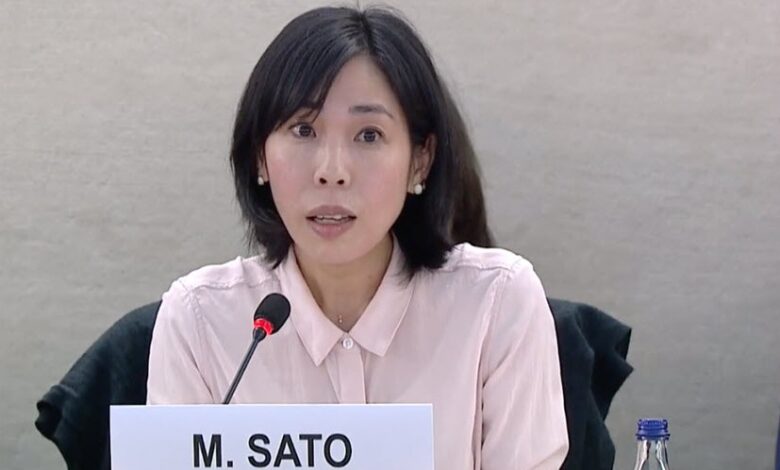
Amid mounting reports of pressure on religious minorities in Iran, “Mai Sato,” the UN Special Rapporteur on human rights in Iran, has expressed concern about the intensified crackdown against Christian and Bahai citizens. In a message posted on social media X, she announced that along with a group of UN experts, she has issued two separate statements on the situation of these minorities.
According to these statements, at least 79 Christian citizens, with the majority being Christian converts, along with 61 Bahai citizens are currently imprisoned or in detention. UN experts state that received information indicates that some of the detainees have been held for extended periods in solitary confinement, denied contact with their families, and subjected to torture to extract forced confessions—confessions that in some cases have been broadcast by state media.
The reports also reference the case of “Mohammad Nikbakht,” a Christian citizen and political activist. UN experts have stated that he was beaten during his arrest at his residence and remains in detention without access to his family.
Another focus of UN experts’ attention is the confiscation of the St. Peter’s Evangelical Church complex in Tehran and the eviction of 27 Armenian and Assyrian citizens residing in the complex. The issued statement reads: “Freedom of religion or belief includes the freedom to worship alongside others in one’s native language, as well as the right to maintain and preserve places of worship. When a church is confiscated, the Christian community loses not only a building, but also their place of worship and center of social life.”
Experts have also warned about the eviction process of this complex, stating clearly: “Forced eviction is incompatible with international human rights law and carries the risk of making members of recognized religious and ethnic minorities homeless.”
The statement further emphasizes that pressures are not limited to historic churches, and Christians who have converted from Islam to Christianity also face raids on their homes, seizure of personal belongings, and charges such as cooperation with foreign governments.
UN experts have described these measures as part of an increasing process of restricting freedom of religion and belief in Iran. The statement also notes regarding religious freedom: “The use of arbitrary arrests, torture, and other forms of coercion against religious minorities raises serious concerns about respect for the right to freedom of religion or belief,” which has also received widespread coverage in international media.
Mai Sato concluded by recalling that arbitrary arrests, torture, and pressure against religious minorities are inconsistent with the Islamic Republic’s international commitments, including the International Covenant on Civil and Political Rights, and Iran is obligated to ensure the right to freedom of religion and belief, fair trial, and an absolute prohibition on torture for all citizens.