IMAN Calls on Pope Francis to Intervene Against Executions and Human Rights Violations in Iran
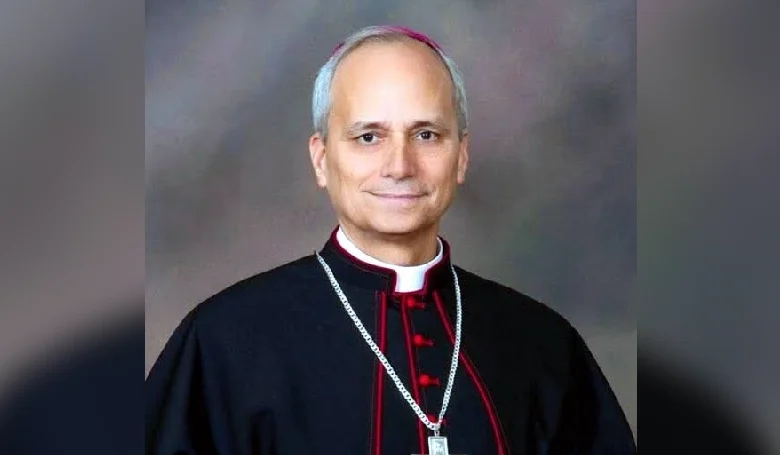
The Party of Iranian Christian Freedoms (IMAN) issued a statement addressing Pope Francis, calling on the Vatican to use its diplomatic capacity to stop executions and human rights violations in Iran. The party has warned that the silence of the international community, including regarding the persecution of Iranian Christians, could lead to the continuation of this situation.
On August 8, 2026, the Party of Iranian Christian Freedoms (IMAN) issued a statement addressed to Pope Francis, calling for effective Vatican diplomatic intervention to counter human rights violations and the wave of executions in Iran.
In its statement, the party requested that the leader of the Catholic Church use the Vatican’s spiritual influence and diplomatic standing to issue official positions, conduct direct diplomatic correspondence, and create international pressure on the Islamic Republic.
IMAN’s request comes at a time when Pope Francis has previously taken positions on Iran’s situation. Vatican News reported that in April, the Pope, in response to developments in Iran, emphasized the necessity of peace, dialogue, and respect for human life. He also stated that attacks on civilians and civilian infrastructure contradict international law.
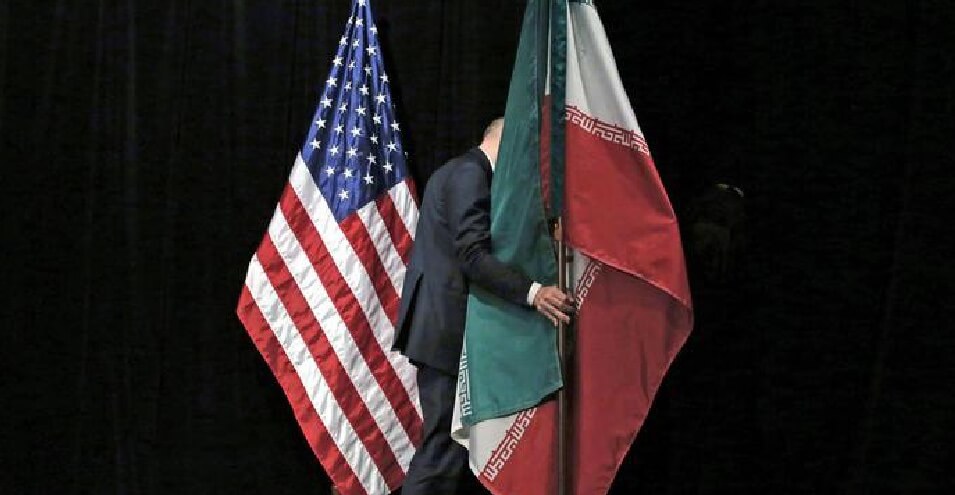
A few weeks later, the Associated Press reported that Pope Francis, in conversation with journalists, condemned capital punishment while calling for the United States and Iran to return to negotiations and for a culture of peace to replace violence.
However, IMAN’s statement calls for going beyond public statements and utilizing the Vatican’s diplomatic capacity to apply practical pressure on the Iranian government.
In another section of its statement, the party also addressed the situation of Christians in Iran, emphasizing what it describes as a “spiritual awakening and conversion to Christianity” in Iran, and recalled the Church’s history of humanitarian activities in Iran.
IMAN’s call for international action comes at a time when human rights and Christian organizations have reported pressure on Christian citizens, arrests, prison sentences, and the deprivation of some prisoners of medical services. The case of Mesher (Mr.) Parandian, a Christian citizen imprisoned in Evin, who is reportedly denied specialized medical treatment despite serious illnesses, is one of the recent examples of this situation.
From IMAN’s perspective, the issue is not merely the defense of a religious group, but concerns the responsibility of the international community regarding the violation of fundamental rights of the Iranian people; particularly in circumstances where the party believes that institutions with legal and executive capacity to influence should not settle for symbolic positions.
The Party of Iranian Christian Freedoms (IMAN) released its statement under the title “Call for Effective Diplomatic Intervention, Issuance of Official Statements, and Application of International Pressure to Stop Human Rights Violations and Executions in Iran.” The statement reads as follows:
“Your Holiness Pope Francis;
With fraternal respect at your esteemed presence and with shared faith in the noble ideals of the Gospel in achieving peace, justice, and human dignity, we submit this letter on behalf of the rightful voices of millions of suffering Iranians.
Today, the Iranian nation is passing through one of the darkest and most painful periods of its contemporary history. Our people live under crushing and deadly economic pressures, structural deprivations, and the disregard of the most basic human rights.
Systematic suppression, absence of fundamental freedoms, and the increasing daily wave of executions of protesting and freedom-seeking youth, grievously wounds the heart of every free person.
While many international institutions and organizations with responsibility and executive capacity have remained silent in the face of this magnitude of catastrophe or have settled for adopting ineffective positions, the spiritual influence, legal credibility, and global standing of the Catholic Church can certainly be opening and redemptive.
The Vatican, relying on its legal instruments and diplomatic power in the international arena, has the ability to place the Iranian government under serious pressure and compel it to respect the basic and accepted principles of human rights and halt the execution machine, through issuing decisive official statements, conducting direct diplomatic correspondence, and creating international consensus.
Your Holiness;
Iran, which in recent decades has witnessed the most significant spiritual awakening and conversion to Christianity in the Middle East, has always been grateful for the Church’s extensive and humanitarian services in recent centuries—from the establishment of educational and medical centers to aid for the deprived. These charitable works have left a lasting mark on the exalted position and beloved place of the Lord Jesus Christ in the hearts of Iranians. We are confident that the guidance, support, and companionship of the Vatican today, in this difficult and trying time, will forever be engraved in the historical memory and hearts of the Iranian people.
In this heavy international silence, standing with the Iranian people will be a clear embodiment of the sacred word in the Gospel, where the lamp is not hidden under a basket, but placed on a hill so that its light may illuminate the darkness of the suffering. Otherwise, the continuation of this silence will constitute an injustice to Iranian Christians as well.
We await Your Holiness’s response regarding the responsibility you have received from God for the protection of lives.
With fraternal respect in Christ,
The Party of Iranian Christian Freedoms (IMAN)”
A Call for Action Beyond Condemnation
What makes this statement noteworthy is not merely criticism of the human rights situation in Iran; it is a direct appeal to the highest authority of the Catholic Church to utilize the Vatican’s diplomatic power.
Pope Francis has previously demonstrated willingness to take public positions on Iran. However, the question raised by IMAN is whether these positions can be transformed into more effective diplomatic actions to protect the lives of protesters, halt executions, and defend the rights of religious minorities.
This question carries particular significance for Iranian Christians; a group that, according to Christian and human rights organizations, itself faces arrests, judicial pressure, and extensive restrictions.
From this perspective, IMAN’s August 8 statement can be seen as a call to the Vatican to move beyond sympathy and verbal condemnation toward diplomatic action; action that, according to this party, could be effective in the current circumstances for saving lives and defending human dignity.