Death of “Farid Mokari” in Detention and Under Torture
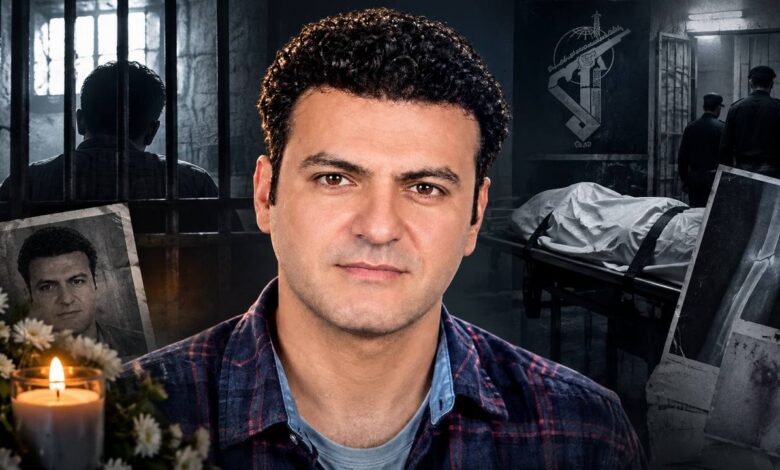
Farid Mokari, a citizen approximately 37 years old from Zahedshahr in Fasa, died following his detention in Mashhad. Reports published citing local sources indicate severe torture of him in a Revolutionary Guards intelligence detention facility, broken bones, and multiple traces of injuries on his body—shocking claims that underscore the necessity of clarifying the truth and accountability regarding his death.
According to published reports, Farid Mokari, who was from Zahedshahr, a city under the jurisdiction of Fasa County in Fars Province, was detained during a trip to Mashhad and subsequently died. An informed source and a journalist from his hometown stated that Mokari was subjected to severe torture while in the custody of the Revolutionary Guards intelligence organization in Mashhad.
According to the account of these sources, Mokari had previously taken his mother to Mashhad for pilgrimage. It is reported that during another trip to Mashhad, he was detained after urinating on the grave of Ali Khamenei, the former leader of the Islamic Republic. However, the details of this incident and its connection to his detention and death have not been independently verified.
The shocking part of the report concerns claims about Farid Mokari’s physical condition following his detention. According to cited sources, bones in his body had been broken and traces of hundreds of blows from sharp objects, including knives or daggers, were visible on his body.
These claims have not yet been independently verified, and no reliable public information about the results of a forensic medical examination or an official investigation into the cause of his death has been released. However, if these accounts are verified, we will be faced with very serious allegations regarding torture and the death of a citizen in detention—a matter that requires an independent, transparent investigation and accountability from responsible authorities.
According to the same report, Mokari’s body was handed over to his family after approximately two weeks. Informed sources have also claimed that government officials asked the family to declare the cause of his death as “accidental injury.” This claim has also not been independently verified to date. Farid Mokari was buried in the cemetery of Zahedshahr on Monday, October 5, corresponding to Mehr 13.
The death of a citizen in detention, particularly when reports of torture and severe injuries are raised and his death itself is not even covered by the media, is a matter that cannot be passed over in silence. The responsibility of detaining authorities is not limited to the detention of individuals; preserving the lives and health of detainees and accountability for any harm or death during detention are also fundamental responsibilities of these authorities.
If responsible authorities have a different account regarding the cause of Farid Mokari’s death, the way to clarify the truth is to present medical and legal documents and conduct an independent and credible investigation, not to leave his family in confusion and society amid conflicting narratives.
Likewise, if the claim of pressure on the family to declare the cause of death as an accident is true, the matter will not be limited to the death of one citizen alone; the possibility of an attempt to conceal the truth must also be investigated.
Based on the published report, several of Mokari’s fellow citizens have written on social media about his personal characteristics and behavior. His name is now accompanied by questions whose answers matter to his family and the public: Why was he detained? What happened to him during detention? What was the real cause of his death? And does his family have access to the truth and the ability to pursue an independent investigation of the case?
Death in detention should not become an unanswered case. If the claims raised regarding Farid Mokari’s torture are true, those responsible must be identified and held accountable in a fair legal process. His family has the right to know what happened to their loved one; society also has the right to receive documented and transparent answers regarding the deaths of citizens in detention. The truth about Farid Mokari must not remain in the shadow of silence, fear, or unverified accounts.