Artin Ghaffarpour, Photojournalist and Bahai Citizen, Sentenced to 26 Years in Prison
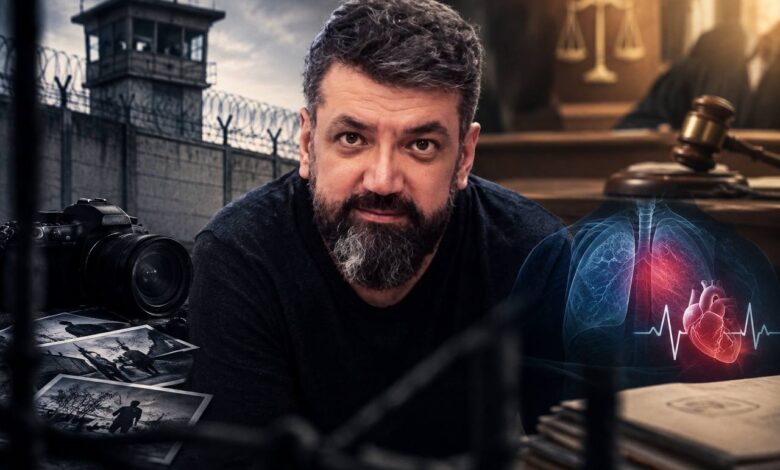
Artin Ghaffarpour, a photojournalist and Bahai citizen detained in Tehran Central Prison, has been sentenced to a total of 26 years in prison by Branch 15 of the Tehran Revolutionary Court, headed by Abolqasem Solwati. The sentence was delivered to him while reports indicate that he is suffering from serious cardiac and respiratory illnesses and is being denied access to specialized medical treatment outside the prison.
According to human rights organizations, the sentence against Artin Ghaffarpour was delivered on Monday, November 26, 2026 (5 Aban 1405) at Tehran Central Prison, known as Fashafuyeh Prison. The Bahai citizen was arrested during the December 2024 (Dey 1404) protests.
According to information released by HRANA, Ghaffarpour was sentenced to 20 years in prison on charges of “media activity,” five years for “assembly and conspiracy,” and one year for “propaganda against the system.” A source close to his family told HRANA that the judge cited the law on enhancement of espionage sentences to increase the penalty for the first charge from 10 to 20 years.
The first hearing in his case was held on July 29, 2026 (7 Mordad 1405) in Branch 14 of the Tehran Revolutionary Court, and the final session was held on September 28 (7 Mehr) in Branch 15 of the same court. The information released regarding this case does not provide complete details from court documents and the defendant’s defense statements.
Artin Ghaffarpour was arrested on January 19, 2025 (29 Dey 1404) during a security force raid on his home in Tehran. According to HRANA and Hengaw reports, officials simultaneously conducted searches of his residence and workplace, and confiscated a number of electronic devices, books, photographic equipment, and his personal and work items.
Ghaffarpour has previously been arrested and imprisoned. His re-arrest during the December protests and the issuance of this severe sentence have raised concerns about judicial treatment of journalists, photojournalists, and citizens belonging to religious minorities in Iran.
According to HRANA reports, Artin Ghaffarpour suffers from heart failure, high blood pressure, and asthma. Informed sources have stated that prison medical personnel have emphasized the necessity of his immediate transfer to medical facilities outside the prison, but such transfer has been opposed.
Continued denial of access to specialized medical services, if these reports are confirmed, could place this prisoner’s health and life in serious danger. As of the publication of these reports, no official response from judicial authorities has been released regarding the reason for opposing his transfer to a hospital.
The Iranian Bahai community has repeatedly reported arrests, social deprivation, and judicial persecution of its members over recent years. Human rights organizations have also documented in multiple reports the treatment of Bahai and Christian citizens because of their beliefs or peaceful activities.
In Artin Ghaffarpour’s case, the convergence of his religious identity, his professional activity as a photojournalist, the lengthy prison sentence, and concerns regarding his physical health underscore the necessity of transparency regarding the judicial proceedings and his access to medical services.
Regardless of the charges brought against him, the right to access to a lawyer, fair treatment, and access to appropriate medical care during imprisonment are fundamental rights of every prisoner. One of the most important concerns regarding Ghaffarpour’s situation now is ensuring his immediate access to specialized medical treatment and clarifying the details of the judicial process in his case.