Exposing New Wave of Repression, Secret Executions in Shadow of Internet Blackout and Organized Injustice
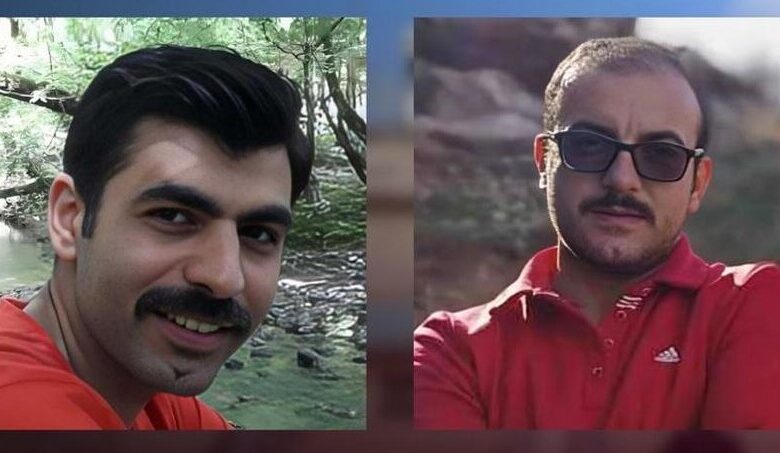
Exposing a new wave of repression has unveiled the execution of death sentences against “Pooya Qobadi Bistone” and “Babak Alipoor,” two political prisoners who underwent a covert process that deviated from judicial standards.
In continuation of the escalating repression process in Iran, reports indicate that the Islamic Republic’s judicial system has once again committed serious violations of citizens’ fundamental rights by executing death sentences under ambiguous circumstances and without transparency. In the latest case, two political prisoners named Pooya Qobadi Bistone and Babak Alipoor have been executed in Qarchak Prison in Karaj; an action that, according to human rights reports, was carried out without prior notification to families and even depriving them of final visits.
These executions occurred while two other defendants in the same case, “Akbar Danshor Kar” and “Mohammad Taghi Sang-Dehi,” had previously met a similar fate in a short time span. Such a process demonstrates haste and lack of transparency in carrying out death sentences; a matter that has repeatedly been criticized by international human rights organizations.
Based on published information, these individuals were tried in a joint case charged with “moharebeh” (enmity against God) through connections with the Mujahedin-e Khalq organization. However, reports show that the judicial review process was fraught with serious deficiencies. Among these, the Supreme Court had previously annulled the issued verdict due to flaws in the investigation, but the Revolutionary Court in brief sessions and without careful examination, re-confirmed the same sentences.
One concerning aspect of this case is the allegations raised about the use of torture to obtain confessions. Human rights sources have reported that the defendants, under severe pressure including beatings, electric shocks, and threats to their families, were forced to confess. Such methods not only violate domestic laws but are also contrary to Iran’s international commitments.
Pooya Qobadi Bistone, 34 years old, was an educated individual with a degree in electrical engineering and had artistic activities. Babak Alipoor, 35 years old, was also a law graduate and was considered a civil activist in Gilan. The execution of these individuals, both of whom had distinct social and professional backgrounds, has raised serious questions about the criteria for issuing such sentences.
Concurrent with these executions, reports have been published about the intensification of security conditions in Qarchak Prison. It is said that prison guard forces have violently raided the ward of political prisoners and beaten a number of those who participated in the “Tuesday No to Execution” campaign. These actions demonstrate efforts to silence any voice of protest, even within prisons.
Along with these cases, some analysts point to the role of internet restrictions and communication blackouts coinciding with such events. According to them, these measures may be intended to prevent rapid news dissemination and reduce public reactions; a matter that has been repeated several times in recent years.
Human rights organizations have warned that with the execution of these sentences, the lives of other defendants in this case are also in serious danger. They have described this process as a clear example of violations of fair trial principles and human rights, and have called for an immediate response from the international community.
Overall, what emerges from these events is a picture of intensified repressive policies; a process that not only has failed to reduce discontent but has deepened the gap between the government and society.