Supreme Court Overturns Death Sentence of Leila Abualhasani, Case Returned for Retrial

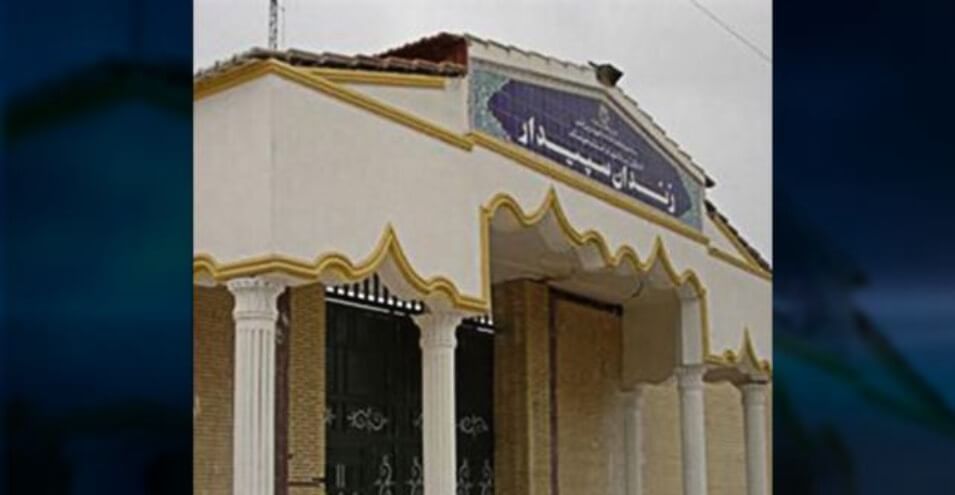
The death sentence of Leila Abualhasani, a 43-year-old woman and detainee from the December 2024 protests in Shahinshahr, Isfahan, has been overturned by the Supreme Court following an appeal filed by her defense lawyer. Her case has been returned to an equal-level court branch for reconsideration; however, this decision does not mean her acquittal or release, and Abualhasani remains imprisoned in Isfahan’s Dowlatabad prison.
According to reports from the human rights organization Hengaw and news agency Hrana, the Supreme Court of Iran reviewed the appeal filed by Leila Abualhasani’s defense lawyer and overturned her death sentence, referring the case back to an equal-level court branch for renewed examination.
Leila Abualhasani, 43, a hairdresser and nail technician and mother of two teenage daughters, was previously sentenced to death in April 2025 by Branch Five of the Isfahan Revolutionary Court, presided over by Judge Vahid Hemmatnezad, on charges of “enmity against God” (moharebeh).
Abualhasani was arrested on the evening of December 18, 2024, during nationwide protests in Shahinshahr, Isfahan. According to information released by human rights sources and accounts from her family members, she was present filming a fire at one branch of the Avard Korosh chain store when she was detained by security forces.
The Iranian judiciary has accused her of participating in setting fire to the store, and this charge formed the basis for issuing her death sentence. However, her family members have rejected this accusation, stating that she was merely recording video footage of the fire.
As of the time human rights reports were published, the complete court verdict text and clear evidence supporting the charges against her had not been publicly released. Additionally, detailed information about her defense during the legal proceedings is not available.
The overturning of a death sentence by the Supreme Court means that the previous ruling no longer serves as a basis for executing the death penalty, and the case must be reviewed again in court. However, referring the case back to an equal-level court branch does not mean the end of legal proceedings or the issuance of a not-guilty verdict.
According to published reports, Leila Abualhasani has been held in Isfahan’s Dowlatabad prison since her arrest, and no information has been released regarding the date of her retrial or the final outcome of the case.
Her case once again draws attention to the situation of detainees from the December 2024 protests and the severe sentences issued in connection with these demonstrations. Clarification of judicial documentation, defendants’ access to fair trial procedures, and effective access to legal counsel are among the important issues in reviewing such cases.
Currently, the overturning of Leila Abualhasani’s death sentence represents a significant development in her case proceedings; however, until her retrial and the announcement of the final outcome, the judicial fate of this 43-year-old mother remains uncertain.